Why Do French Bulldogs Fart So Much? Causes, Fixes & When to Worry
If you share your home with a French Bulldog, you already know the drill. You’re relaxing on the couch, everything is peaceful, and then — without warning — your Frenchie lets one rip and casually trots away like nothing happened. It’s one of the breed’s most notorious quirks, and honestly, it’s something almost every Frenchie owner laughs about eventually.
But if the gas is frequent, foul-smelling, or seems to be bothering your dog, it’s worth understanding what’s actually going on. The good news is that excessive flatulence in French Bulldogs usually has a clear cause — and in most cases, it’s manageable with the right diet and lifestyle adjustments.
In this guide, we’ll break down exactly why French Bulldogs are so gassy, which foods are the biggest culprits, what you can do to reduce it, and when it’s time to loop in your vet.
Quick Answer: French Bulldogs fart more than most breeds because of their brachycephalic (flat-faced) anatomy, which causes them to swallow excess air while eating and drinking. This is compounded by sensitive digestive systems, food intolerances, and diet quality. The combination makes them one of the gassiest breeds around.
The Real Reasons French Bulldogs Are So Gassy

Photo by Sóc Năng Động via Pexels
There isn’t one single cause — it’s usually a combination of factors working together. Here’s a detailed look at each one.
1. Brachycephalic Anatomy (The #1 Culprit)
This is the big one. French Bulldogs are a brachycephalic breed, meaning they have shortened skulls that give them their signature flat faces and smooshed noses. While undeniably adorable, this anatomy creates real physiological challenges — especially when it comes to eating and drinking.
Because their nostrils are often narrowed and their airways are compressed, Frenchies have to work harder to breathe. When they eat or drink, they tend to gulp air along with their food. That swallowed air — a process called aerophagia — travels into the digestive tract and has to go somewhere. Most of the time, it comes out the other end.
According to the Merck Veterinary Manual, aerophagia is one of the leading causes of excessive gas in dogs, and brachycephalic breeds are disproportionately affected due to their respiratory anatomy.
2. Sensitive Digestive Systems
French Bulldogs are widely recognized as having sensitive stomachs. Their gastrointestinal tracts can struggle to efficiently break down certain proteins, fats, and carbohydrates — particularly those found in lower-quality commercial dog foods. When food ferments in the gut rather than being properly digested, gas is produced as a byproduct.
This digestive sensitivity is one reason why diet quality matters so much for this breed specifically. A food that works fine for a Labrador might cause significant bloating and gas in a Frenchie.
3. Food Allergies and Intolerances
Some French Bulldogs develop true food allergies or intolerances to common ingredients. According to VCA Animal Hospitals, the most common food allergens in dogs include beef, dairy, chicken, wheat, egg, and soy — many of which are staple ingredients in standard dog foods.
When a Frenchie’s immune system or digestive system reacts to an ingredient it can’t tolerate, the result is often increased gas, loose stools, or skin irritation. Food intolerance (a digestive issue) is different from a food allergy (an immune response), but both can contribute to excessive flatulence.
4. Low-Quality Diet and Hard-to-Digest Ingredients
Not all dog foods are created equal. Many budget commercial dog foods contain fillers, artificial additives, rendered by-products, and low-quality grains that are harder for dogs to digest. High-carbohydrate diets — especially those heavy in corn, wheat, or soy — can lead to fermentation in the gut and increased gas production.
Ingredients like peas, lentils, and chickpeas have become increasingly common in dog food as plant-based protein sources, but they are also well-known to cause flatulence — in humans and dogs alike.
5. Eating Too Quickly
Many French Bulldogs are enthusiastic eaters who wolf down their meals at impressive speed. The faster a dog eats, the more air it swallows in the process — directly worsening the aerophagia problem already caused by their anatomy. A slow feeder bowl can make a noticeable difference here.
6. Lack of Physical Activity
French Bulldogs are companion dogs that can easily slip into a couch-potato lifestyle. While they don’t need intense exercise, physical activity plays an important role in stimulating normal gut motility. A dog that’s sedentary for most of the day may experience slower digestion, which can increase fermentation time and gas buildup in the intestines.
Common Foods That Cause Gas in French Bulldogs

Photo by 🇻🇳🇻🇳Nguyễn Tiến Thịnh 🇻🇳🇻🇳 via Pexels
If your Frenchie’s gas seems particularly bad, it’s worth taking a hard look at what they’re eating. Here are the most common dietary triggers:
- Beans and legumes — Lentils, peas, chickpeas, and beans are fermented by gut bacteria, producing significant gas. They’re common in many grain-free dog foods.
- Dairy products — Most adult dogs are lactose intolerant to varying degrees. Milk, cheese, yogurt, and ice cream can cause gas, bloating, and diarrhea in French Bulldogs.
- Cruciferous vegetables — Broccoli, cauliflower, Brussels sprouts, and cabbage are notorious for causing gas in both humans and dogs.
- High-fat foods — Fatty table scraps, greasy meats, and high-fat treats are harder to digest and can cause stomach upset and gas.
- Wheat and corn — Some Frenchies struggle to digest these common grain fillers, which can lead to fermentation and bloating.
- Spicy or heavily seasoned food — Human food seasoned with garlic, onion, or spices is both potentially toxic and digestively disruptive for dogs.
- Soy products — Soy is a common allergen and can contribute to gas in sensitive dogs.
Gas-Causing vs. Low-Gas Foods: A Quick Comparison

Photo by wr heustis via Pexels
| Food Type | Gas Risk | Notes |
|---|---|---|
| Beans & legumes | 🔴 High | Common in grain-free foods; major gas producer |
| Dairy products | 🔴 High | Most adult dogs are lactose intolerant |
| Cruciferous vegetables | 🔴 High | Broccoli, cauliflower, Brussels sprouts |
| Wheat & corn fillers | 🟠 Medium–High | Hard to digest; common in budget dog food |
| Soy | 🟠 Medium–High | Common allergen; can cause intolerance |
| High-fat human food | 🟠 Medium–High | Also a pancreatitis risk |
| High-quality lean protein (chicken, turkey, fish) | 🟢 Low | Easily digestible; good for sensitive stomachs |
| Rice | 🟢 Low | Gentle on the digestive system |
| Sweet potato | 🟢 Low | Good fiber source; well-tolerated by most dogs |
| Pumpkin (plain) | 🟢 Low | Supports healthy digestion; often used as a remedy |
How to Reduce Gas in Your French Bulldog

Photo by María Celeste Vallejos via Pexels
You probably won’t eliminate Frenchie flatulence entirely — some is just part of the package with this breed. But you can significantly reduce it with the right approach. Here’s what actually works:
1. Switch to a High-Quality, Easily Digestible Diet
This is the single most impactful change you can make. Look for a dog food that uses:
- A named animal protein as the first ingredient (e.g., chicken, salmon, turkey)
- Easily digestible carbohydrates like sweet potato or rice instead of corn or wheat
- Minimal fillers and no artificial preservatives, colors, or flavors
- A moderate fat content appropriate for a small breed
Limited-ingredient diets (LIDs) can be particularly helpful if you suspect food sensitivities, as they reduce the number of potential triggers in each meal.
2. Use a Slow Feeder Bowl
Since fast eating is a major source of swallowed air for French Bulldogs, a slow feeder bowl is one of the simplest and most effective tools you can use. These bowls have ridges or maze-like patterns that force your dog to eat more slowly and deliberately, reducing aerophagia significantly.
Slow Feeder Dog Bowl
Slows down fast eaters to reduce air swallowing — a simple but highly effective fix for gassy French Bulldogs.
3. Feed Smaller, More Frequent Meals
Instead of one or two large meals a day, try splitting your Frenchie’s daily food allowance into three smaller meals. Smaller portions are easier to digest and reduce the likelihood of gulping and bloating.
4. Eliminate Gas-Causing Foods From Their Diet
Review the list above and cut out the biggest offenders. Start by removing dairy, beans, and cruciferous vegetables, then monitor for improvement over 2–3 weeks. Make dietary changes gradually to avoid upsetting your dog’s gut further.
5. Avoid Table Scraps Entirely
It’s tempting to share your food with those big bat-ear eyes staring up at you, but human food — especially fatty, seasoned, or processed items — is a major cause of gas in dogs. Stick to dog-safe treats and keep mealtimes separate.
6. Consider a Probiotic Supplement
Probiotics support a healthy gut microbiome, which plays a direct role in how well your dog digests food. A balanced gut flora means less fermentation and less gas. VCA Animal Hospitals notes that probiotics may help manage gastrointestinal issues in dogs, though it’s worth discussing specific products with your vet first.
Dog Probiotic Supplement
Supports a balanced gut microbiome to improve digestion and reduce gas — especially useful for French Bulldogs with sensitive stomachs.
7. Encourage Regular Exercise
Daily physical activity stimulates gut motility and helps gas move through the digestive tract more efficiently. French Bulldogs don’t need marathon runs — a couple of short walks and an indoor play session each day is enough to make a difference. Just be mindful of exercise in hot weather, as their brachycephalic airways make them prone to overheating.
8. Monitor for Food Allergies
If dietary changes don’t improve things, work with your vet to do a proper food elimination trial. This involves feeding a novel protein diet (one your dog has never eaten before) for 8–12 weeks to identify and rule out specific allergens. It takes patience, but it can be genuinely life-changing for dogs with true food sensitivities.
Tip: Keep a simple food diary for your Frenchie. Note what they ate and how gassy they were that day. After a few weeks, patterns will start to emerge — making it much easier to identify the specific triggers for your individual dog.
Does Your French Bulldog’s Wrinkle Care Affect Their Gut Health?

Photo by 🇻🇳🇻🇳Nguyễn Tiến Thịnh 🇻🇳🇻🇳 via Pexels
Not directly — but it’s a good reminder that French Bulldogs require attentive care across the board. Skin fold infections, for example, can sometimes indicate underlying immune or allergy issues that also affect the gut. If you’re dealing with both skin and digestive problems in your Frenchie, it may be worth discussing a potential food allergy connection with your vet. For keeping those adorable folds clean and infection-free, check out our guide to the best wrinkle wipes for French Bulldogs.
When to See a Veterinarian

Photo by Sóc Năng Động via Pexels
Occasional gas is completely normal and nothing to worry about. But there are situations where frequent or severe flatulence warrants a vet visit. Contact your veterinarian if your French Bulldog’s gas is accompanied by any of the following:
- Diarrhea or loose stools — Especially if persistent or bloody
- Vomiting — Particularly if it happens repeatedly or contains blood
- Lethargy or loss of energy — A dog that’s unusually tired alongside GI symptoms may have a systemic issue
- Distended or hard abdomen — This can indicate bloat (GDV), which is a medical emergency
- Weight loss without dietary changes
- Loss of appetite
- Excessive scooting or anal irritation
Important: Gastric dilatation-volvulus (GDV), or bloat, is a life-threatening condition where the stomach fills with gas and twists. While it’s more common in large, deep-chested breeds, any dog can be affected. A suddenly distended belly, unproductive retching, and extreme distress require immediate emergency veterinary care. Learn more at the AVMA’s guide to GDV.
Your vet may recommend diagnostic tests such as blood panels, stool analysis, or an elimination diet trial to identify any underlying conditions contributing to excessive gas.
Is This Just a French Bulldog Thing?

Photo by Sóc Năng Động via Pexels
Pretty much, yes — but not entirely. Other brachycephalic breeds like Pugs, Boston Terriers, and Bulldogs share the same aerophagia tendency. However, Frenchies are particularly well-known for their flatulence, partly because of their anatomy and partly because of their extremely enthusiastic relationship with food.
If you’re curious about similar breeds and how they compare in terms of care needs, our guide on dogs similar to French Bulldogs is worth a read — especially if you’re considering whether a Frenchie is the right fit for your household.
And while we’re on the topic of attentive breed care, it’s worth noting that all dogs — regardless of breed — benefit from clean ears, a good diet, and regular health monitoring. If you also own or are considering a French Bulldog, our complete guide to cleaning French Bulldog ears walks you through everything step by step.
The Bottom Line

Photo by 🇻🇳🇻🇳Nguyễn Tiến Thịnh 🇻🇳🇻🇳 via Pexels
French Bulldogs fart a lot — that’s just part of the Frenchie experience. Their brachycephalic anatomy causes them to swallow air when they eat, their digestive systems are sensitive, and many commercial dog foods contain ingredients that simply don’t agree with them. The result? A dog that’s charming, loving, entertaining, and occasionally capable of clearing a room.
The good news is that with a few targeted changes — a high-quality diet, a slow feeder bowl, smaller meals, and a probiotic — most Frenchie owners see a real improvement. It may not be possible to eliminate the gas entirely, but you can absolutely make it much more manageable. And hey, it’s part of what makes the breed so uniquely lovable.
Frequently Asked Questions
Is it normal for French Bulldogs to fart every day?
Yes, daily gas is completely normal for French Bulldogs. Their brachycephalic anatomy means they swallow more air than other breeds, and their sensitive digestive systems are prone to producing gas during digestion. Occasional farting is expected — it only becomes a concern if it’s extremely frequent, foul-smelling, or accompanied by other symptoms like diarrhea, vomiting, or lethargy.
What is the best diet to reduce gas in French Bulldogs?
A high-quality diet built around easily digestible lean proteins (like chicken, turkey, or fish), gentle carbohydrates (like sweet potato or rice), and minimal fillers tends to produce the least gas. Limited-ingredient diets are a good option for Frenchies with suspected food sensitivities. Avoid dog foods with heavy use of legumes, wheat, corn, or soy as primary ingredients, as these are common gas triggers.
Can I give my French Bulldog anything to help with gas?
A veterinarian-approved probiotic supplement can help support healthy gut bacteria and improve digestion, which may reduce gas over time. Plain canned pumpkin (not pie filling) is also a well-known digestive aid that many dog owners use to support gut health. Always check with your vet before starting any supplement, especially if your dog has existing health conditions.
Why does my French Bulldog’s gas smell so bad?
The smell of dog gas depends largely on what’s being fermented in the gut. Foods high in sulfur compounds — like cruciferous vegetables, certain proteins, and eggs — tend to produce the most pungent gas. If your Frenchie’s gas is consistently very foul-smelling, it may indicate poor digestion or a food intolerance. Switching to a more digestible diet often reduces both the frequency and the odor.
When should I take my French Bulldog to the vet for gas?
You should see a vet if the gas is accompanied by other symptoms such as diarrhea, vomiting, noticeable weight loss, loss of appetite, or a bloated/hard abdomen. A distended belly combined with unproductive retching and distress can be a sign of GDV (bloat), which is a life-threatening emergency requiring immediate veterinary care. For routine but persistent gas that doesn’t respond to dietary changes, a vet visit can help rule out underlying conditions like inflammatory bowel disease or parasites.

You Might Also Like
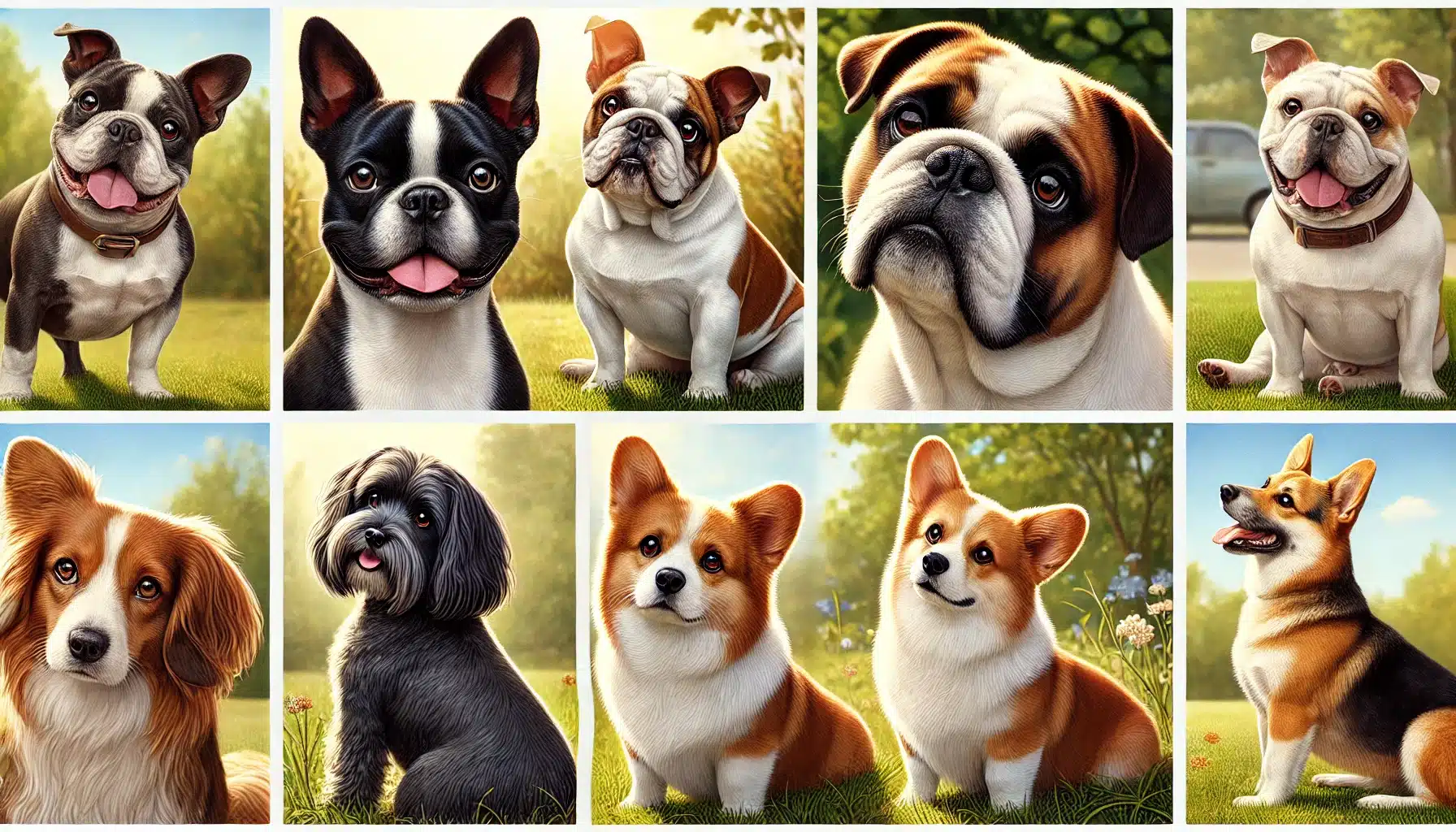
7 Dogs Similar to French Bulldogs: Find Your Perfect Alternative Breed
Love French Bulldogs but want to explore other options? Discover 7 breeds with similar traits, plus a comparison table, tips,…

Best Toys for French Bulldogs: Top Picks for Every Play Style
Discover the best toys for French Bulldogs in 2025. Expert picks for chew toys, plush toys & puzzle toys tailored…

Best Nail Clippers for French Bulldogs: Top 6 Picks & Expert Grooming Guide
Discover the best nail clippers for French Bulldogs in 2025. Expert picks, grinder vs. clipper comparison, and pro grooming tips…