7 Dogs Similar to French Bulldogs: Find Your Perfect Alternative Breed
French Bulldogs have taken the dog world by storm — and honestly, it’s not hard to see why. Those signature bat ears, the squishy face, the compact size, the personality that’s somehow both goofy and dignified — they’re irresistible. But French Bulldogs aren’t always the easiest breed to find, can come with a hefty price tag, and have specific health considerations that don’t suit every household.
Maybe you’re on a long waitlist. Maybe you’ve learned about their brachycephalic health challenges and want something with fewer respiratory concerns. Or maybe you just want to explore your options before committing. Whatever your reason, you’re in good company — and you’ve come to the right place.
This guide covers seven dogs similar to French Bulldogs in temperament, size, and lifestyle compatibility. We’ll break down what makes each breed tick, compare them side by side, and help you figure out which one might be your ideal match. Let’s dig in.
What Makes French Bulldogs So Special? (And What to Look For in Alternatives)

Photo by 🇻🇳🇻🇳Nguyễn Tiến Thịnh 🇻🇳🇻🇳 via Pexels
Before we explore the alternatives, it helps to get clear on exactly what draws people to French Bulldogs in the first place. That way, you can identify which traits matter most to you and prioritize accordingly.
Physical Traits
- Size: French Bulldogs typically weigh between 16–28 pounds, making them ideal for smaller homes and apartments.
- Build: Muscular and compact with a low-slung, sturdy frame.
- Face: Short snout (brachycephalic), expressive eyes, and those iconic upright “bat ears.”
- Coat: Short, smooth, and low-shedding — minimal grooming required.
Temperament
- Deeply affectionate and people-oriented — they thrive on human companionship.
- Playful but not hyperactive; they enjoy bursts of energy followed by long naps.
- Adaptable to different household types — singles, couples, families with kids.
- Generally good with other pets when properly socialized.
Lifestyle Compatibility
- Low-to-moderate exercise needs — short daily walks and indoor play are usually enough.
- Well-suited to apartment living.
- Sensitive to heat due to their flat face — owners need to be mindful in warm climates.
- Can be prone to certain health issues including breathing difficulties, skin fold infections, and spinal problems.
If you already have a French Bulldog at home, keeping their skin folds clean is an important part of their care routine. Check out our guide to the best wrinkle wipes for French Bulldogs for product recommendations that make fold maintenance easy.
7 Dogs Similar to French Bulldogs

Photo by wr heustis via Pexels
Each breed below has been chosen because it shares at least a few of the core traits that make French Bulldogs so beloved — whether that’s compact size, a laid-back temperament, apartment-friendliness, or that irresistible “I just want to be near you” energy.
1. Boston Terrier
Often called the “American Gentleman” because of their tuxedo-like black-and-white markings, Boston Terriers are probably the closest cousins to French Bulldogs on this list. They share the same compact build, short muzzle, and expressive eyes — and the two breeds are often confused for each other by people who aren’t familiar with the differences.
What sets them apart: Boston Terriers tend to be slightly more slender and a bit more energetic than Frenchies. They’re enthusiastic players and love a good game of fetch, but they’re equally happy curling up on the couch once their energy is spent. They’re also generally considered to be a bit easier to train thanks to their eager-to-please nature.
- Weight: 12–25 pounds
- Energy level: Moderate
- Grooming: Low — short coat, minimal shedding
- Best for: Apartment dwellers, families, first-time dog owners
2. Pug
Pugs are arguably the most recognizable flat-faced breed in the world, and they share a lot of DNA (figuratively speaking) with French Bulldogs when it comes to personality. Wrinkled foreheads, round dark eyes, curly tails, and an absolutely unshakeable devotion to their people — Pugs bring all of that and then some.
What sets them apart: Pugs tend to lean into their silly, mischievous side a little more than Frenchies. They’re also slightly more prone to weight gain, so portion control and regular (if gentle) exercise are important. Their double-layered coat means they shed more than a French Bulldog — a detail worth knowing if you’re particular about pet hair.
- Weight: 14–18 pounds
- Energy level: Low-to-moderate
- Grooming: Moderate — regular brushing to manage shedding
- Best for: Apartment living, families, seniors
3. English Bulldog
Think of the English Bulldog as the French Bulldog’s bigger, even more laid-back cousin. They share the same stocky build, flat face, and gentle temperament — but English Bulldogs come in a significantly larger package, typically weighing between 40–50 pounds. If you love the Frenchie vibe but want more dog to cuddle, this could be your match.
What sets them apart: English Bulldogs are famously low-energy — they’re perfectly content with a short walk and a long nap. They do tend to drool more than French Bulldogs, and their skin folds require regular cleaning to prevent infections. They’re also one of the more expensive breeds to keep healthy due to their brachycephalic structure and susceptibility to joint issues.
- Weight: 40–50 pounds
- Energy level: Low
- Grooming: Moderate — fold cleaning required
- Best for: Calm households, families, those wanting a larger lap dog
4. Cavalier King Charles Spaniel
If you love the French Bulldog’s affectionate, velcro-dog personality but would prefer a breed with fewer brachycephalic health concerns, the Cavalier King Charles Spaniel is worth serious consideration. These dogs are genuinely one of the sweetest, most adaptable breeds around — gentle, loving, and happiest when they’re right next to their person.
What sets them apart: Cavaliers are slightly more active than French Bulldogs and benefit from a bit more daily exercise — think longer walks and some outdoor playtime. Their silky, medium-length coat is gorgeous but does require regular brushing to prevent tangles. They’re also known to be excellent with children and other pets, making them a fantastic family dog.
- Weight: 12–18 pounds
- Energy level: Moderate
- Grooming: Moderate — regular brushing needed
- Best for: Families, multi-pet households, those wanting a gentle companion
5. Shih Tzu
Don’t let the glamorous coat fool you — Shih Tzus are sturdy little dogs with big personalities and an enormous capacity for affection. Originally bred as palace companions in ancient China, they’ve never really lost that “I deserve to be pampered” energy, and honestly, it’s endearing.
What sets them apart: Shih Tzus are low-energy and absolutely thrive as companion dogs, which puts them squarely in French Bulldog territory personality-wise. The main difference is that coat — luxurious and beautiful, but it requires consistent grooming to prevent matting. Many owners opt for a “puppy cut” to keep maintenance manageable. Shih Tzus are also slightly less flat-faced than Frenchies, which can mean fewer respiratory issues, though they are still a brachycephalic breed.
- Weight: 9–16 pounds
- Energy level: Low
- Grooming: High — frequent brushing and professional grooming recommended
- Best for: Apartment living, those who enjoy grooming, seniors
Slicker Brush for Small Dogs
A quality slicker brush makes daily coat maintenance easier for Shih Tzus and other long-haired small breeds — look for one with flexible pins to avoid irritating sensitive skin.
6. Chihuahua
Chihuahuas are proof that personality comes in all sizes. At just 2–6 pounds, they’re one of the smallest breeds in the world — but they carry themselves with an attitude that suggests they haven’t quite gotten the memo. They’re fiercely loyal to their owners, highly adaptable to small living spaces, and surprisingly long-lived (often reaching 14–16 years).
What sets them apart: Chihuahuas tend to bond very closely with one person, which can make them a better fit for singles or couples than for large families with young children. They can also be more vocal than French Bulldogs — they’re not shy about expressing their opinions. That said, a well-socialized Chihuahua is a confident, charming little companion.
- Weight: 2–6 pounds
- Energy level: Moderate-to-high
- Grooming: Low (smooth coat) to moderate (long coat variety)
- Best for: Singles, couples, urban apartment dwellers
7. Corgi (Pembroke or Cardigan)
Corgis might seem like an unexpected addition to this list — they’re longer-legged and more energetic than French Bulldogs — but hear us out. Corgis are playful, sociable, affectionate, and deeply connected to their families. They adapt well to different living situations (including apartments, with enough exercise), and they have a joyful, charming personality that’s hard not to love.
What sets them apart: Corgis are significantly more active than French Bulldogs and need regular physical and mental stimulation to stay happy. They’re also herding dogs at heart, which means they can be vocal and occasionally bossy. But if you want a French Bulldog-level personality in a slightly more athletic package, a Corgi could be a wonderful fit.
- Weight: 25–30 pounds (Pembroke); 25–38 pounds (Cardigan)
- Energy level: High
- Grooming: Moderate-to-high — seasonal shedding is significant
- Best for: Active owners, families with children, those with outdoor space
Quick Comparison: French Bulldogs vs. Similar Breeds
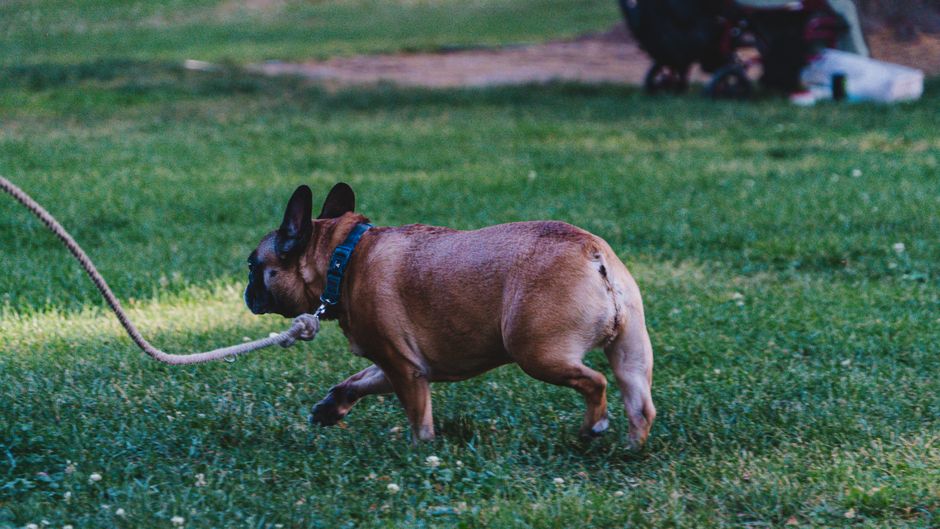
Photo by Vitaliy Haiduk via Pexels
Here’s a side-by-side look at how these breeds stack up against the French Bulldog across the key traits most people care about:
| Breed | Weight | Energy Level | Grooming Needs | Good With Kids | Apartment-Friendly | Brachycephalic |
|---|---|---|---|---|---|---|
| French Bulldog | 16–28 lbs | Low-Moderate | Low | Yes | Excellent | Yes |
| Boston Terrier | 12–25 lbs | Moderate | Low | Yes | Excellent | Yes |
| Pug | 14–18 lbs | Low-Moderate | Moderate | Yes | Excellent | Yes |
| English Bulldog | 40–50 lbs | Low | Moderate | Yes | Good | Yes |
| Cavalier King Charles | 12–18 lbs | Moderate | Moderate | Excellent | Good | No |
| Shih Tzu | 9–16 lbs | Low | High | Yes | Excellent | Mild |
| Chihuahua | 2–6 lbs | Moderate-High | Low-Moderate | With supervision | Excellent | No |
| Corgi | 25–38 lbs | High | Moderate-High | Excellent | Moderate | No |
How to Choose the Right Breed for Your Life

Photo by Blanca Isela via Pexels
Now that you’ve got the lay of the land, here’s a practical framework for narrowing down your choice:
1. Match the Breed to Your Living Situation
If you’re in an apartment, stick with breeds rated “Good” or “Excellent” for apartment living — Boston Terriers, Pugs, Shih Tzus, and Chihuahuas are all stellar choices. If you have a house with a yard, you have more flexibility, and a Corgi or English Bulldog could thrive.
2. Be Honest About Your Activity Level
There’s no wrong answer here — just an honest one. If your ideal evening involves a movie and a dog in your lap rather than a run around the park, lean toward Pugs, Shih Tzus, or English Bulldogs. If you want a pup that’ll match your energy on morning walks, a Boston Terrier or Corgi might be a better match.
3. Think About Your Household
Families with young children will find the Cavalier King Charles Spaniel and Corgi especially accommodating. If you have a calmer household or are an older owner, a Pug or Shih Tzu might be the perfect fit. Curious about how French Bulldogs specifically do with kids? We’ve covered that in depth in our post on whether French Bulldogs are good with kids.
4. Factor In Health Care Costs and Considerations
Several breeds on this list — French Bulldogs, Pugs, Boston Terriers, and English Bulldogs — are brachycephalic, meaning their shortened airways can lead to breathing difficulties, overheating, and in some cases, the need for corrective surgery. According to VCA Animal Hospitals, brachycephalic airway syndrome is a progressive condition that owners of flat-faced breeds should understand before bringing one home. If you’d prefer to sidestep those concerns, the Cavalier King Charles Spaniel, Corgi, or Chihuahua may be better fits from a respiratory health standpoint.
5. Grooming: How Much Time Do You Have?
Short-coated breeds like the French Bulldog, Boston Terrier, and Pug are the lowest maintenance in terms of grooming. Shih Tzus and Corgis sit at the opposite end of the spectrum and require a meaningful time investment. Be realistic about how much grooming you’re willing to take on — an under-groomed dog of any breed can develop skin and coat problems.
6. Meet Before You Commit
Reading about breeds is useful, but nothing replaces spending actual time with one. Visit reputable breeders, attend dog shows, or spend time at local shelters meeting dogs of different breeds. The chemistry between you and a specific dog matters as much as any breed characteristic.
Interactive Puzzle Toy for Small Dogs
Small, intelligent breeds like Boston Terriers and French Bulldogs love mental stimulation — a puzzle toy helps prevent boredom and keeps them sharp.
A Note on Adoption vs. Buying from a Breeder

Photo by Perro Cacahuate via Pexels
Whatever breed you’re drawn to, it’s worth checking local shelters and breed-specific rescue organizations before going straight to a breeder. Pugs, Bulldogs, and Boston Terriers all have dedicated rescue networks, and many wonderful adult dogs are looking for homes. Adult dogs come with the added benefit of a known personality — what you see is largely what you get.
If you do go to a breeder, choose one who prioritizes health testing and is transparent about the health history of their breeding dogs. This is especially important with brachycephalic breeds, where responsible breeding practices make a real difference to a dog’s quality of life.
Ear Care for Flat-Faced Breeds

One care consideration that often gets overlooked with French Bulldogs and similar breeds is ear hygiene. Dogs with compact builds and unique ear structures can be prone to moisture buildup and infections. If you’re considering a French Bulldog or looking after one now, our detailed guide on how to clean French Bulldog ears walks you through the process step by step.
Frequently Asked Questions
What is the most similar dog breed to a French Bulldog?
The Boston Terrier is widely considered the closest alternative to a French Bulldog. Both breeds share a compact build, short muzzle, affectionate personality, and suitability for apartment living. Boston Terriers tend to be slightly more energetic and slender, but the similarities in temperament and lifestyle needs are striking. If you love Frenchies, chances are you’ll adore a Boston Terrier too.
Are there French Bulldog alternatives with fewer health problems?
Yes. If you’re concerned about the breathing and health issues associated with brachycephalic breeds, the Cavalier King Charles Spaniel and the Corgi are excellent alternatives. Neither breed has a flat face, which eliminates many of the respiratory concerns. That said, Cavaliers do have their own health considerations — specifically, they’re prone to heart conditions and hip dysplasia — so it’s important to research any breed thoroughly before committing.
Which of these breeds is best for apartment living?
Boston Terriers, Pugs, Shih Tzus, and Chihuahuas are all excellent choices for apartment living. They’re compact, relatively quiet (with proper training), and have manageable exercise needs that can be met with daily walks and indoor play. The Corgi, while adaptable, really does better with more outdoor space and regular vigorous exercise.
Are French Bulldog alternatives good with children?
Most of the breeds on this list are good with children, though the experience varies. Cavalier King Charles Spaniels and Corgis are particularly well-known for their patience and gentleness with kids. Chihuahuas can be great with older children who know how to handle small dogs gently, but they may not be the ideal choice for households with very young toddlers. Proper socialization from puppyhood makes a huge difference regardless of breed.
How much do French Bulldog alternatives typically cost?
Prices vary considerably. French Bulldogs are among the most expensive breeds, often ranging from $2,000–$5,000 or more from reputable breeders. Pugs and Boston Terriers are generally more affordable, typically ranging from $800–$2,000. Cavalier King Charles Spaniels tend to range from $1,500–$3,500. Chihuahuas and Shih Tzus are usually on the more accessible end of the price spectrum. Adopting from a rescue organization is almost always significantly less expensive and gives a dog a second chance at a loving home.

You Might Also Like
Are French Bulldogs Smart? The Truth About Frenchie Intelligence
Are French Bulldogs smart? Discover the truth about Frenchie intelligence, how they rank, and expert tips to train and mentally…

Best Toys for French Bulldogs: Top Picks for Every Play Style
Discover the best toys for French Bulldogs in 2025. Expert picks for chew toys, plush toys & puzzle toys tailored…

French Bulldog Dog Breed Guide: Temperament, Health, Care & More
Everything you need to know about French Bulldogs — history, temperament, health issues, grooming, training, and nutrition in one complete…