French Bulldog Dog Breed Guide: Temperament, Health, Care & More
If you’ve ever locked eyes with a French Bulldog and felt an immediate, inexplicable pull — you’re not alone. With their oversized bat ears, smushed little faces, and personalities that somehow manage to be both goofy and dignified at the same time, Frenchies have an almost unfair advantage when it comes to winning people over.
The French Bulldog has been the most popular dog breed in the United States according to AKC registration data — a title previously held by the Labrador Retriever for over three decades. That’s not a coincidence. These compact, affectionate dogs are genuinely well-suited to modern life, whether you live in a city apartment or a suburban home with a yard.
But like any breed, Frenchies come with specific needs and health considerations that every owner — or prospective owner — should understand before committing. This guide covers everything: history, temperament, common health issues, grooming routines, training tips, nutrition, and exercise. Let’s dig in.
- Weight: 16–28 lbs
- Height: 11–13 inches at the shoulder
- Lifespan: 10–12 years
- Coat: Short, smooth, low-shedding
- Temperament: Affectionate, playful, adaptable, occasionally stubborn
- Good with Kids/Pets: Yes, with proper socialization
- Exercise Needs: Moderate (~30 minutes/day)
- AKC Group: Non-Sporting
History and Origin of French Bulldogs

Photo by 🇻🇳🇻🇳Nguyễn Tiến Thịnh 🇻🇳🇻🇳 via Pexels
Despite the name, the French Bulldog’s story begins in England. In the mid-1800s, English breeders developed a miniaturized version of the English Bulldog — smaller, lighter dogs sometimes called “Toy Bulldogs” — that became especially popular among lace workers in Nottingham. When the Industrial Revolution disrupted the lace trade and many workers emigrated to northern France, they brought their small Bulldogs with them.
Once in France, these dogs became enormously popular, particularly in Parisian café culture and among the city’s working class. French breeders began refining the breed, crossing the Toy Bulldogs with local ratters and possibly Pugs, which helped establish the signature erect “bat ears” — a trait that actually caused some controversy in England, where rose-shaped ears were preferred.
The breed became known as the Bouledogue Français and quickly caught on among the European elite. By the late 19th century, wealthy Americans traveling to France fell in love with them too. The French Bulldog Club of America was founded in 1898, the same year the American Kennel Club officially recognized the breed.
Today, the Frenchie’s journey from industrial England to the laps of Parisian socialites to the most-registered breed in the US is a testament to just how universally appealing these little dogs are. If you’re curious about other breeds with a similar vibe, check out our guide to 7 Dogs Similar to French Bulldogs — great reading if you’re still deciding on a breed.
French Bulldog Physical Appearance

Photo by 🇻🇳🇻🇳Nguyễn Tiến Thịnh 🇻🇳🇻🇳 via Pexels
French Bulldogs are small but solidly built — muscular and heavy-boned for their size, which often surprises first-time owners when they try to lift one. Their square, flat-faced heads, broad chests, and compact bodies give them an almost comically sturdy appearance.
Key physical traits include:
- Ears: Erect, bat-like, broad at the base and rounded at the top
- Face: Brachycephalic (flat-faced) with loose skin, prominent wrinkles, and a short muzzle
- Eyes: Dark, round, and expressive — set wide apart
- Body: Compact, muscular, with a roach back (slightly arched spine)
- Tail: Naturally short — either straight or screwed
- Coat: Short, smooth, and fine-textured
French Bulldog Color Variations
Frenchies come in a wide range of coat colors. The AKC recognizes the following standard colors:
| Color | AKC Standard? | Notes |
|---|---|---|
| Brindle | ✅ Yes | Dark stripes over a lighter base — very common |
| Fawn | ✅ Yes | Ranges from light cream to reddish tan |
| White | ✅ Yes | Can be associated with deafness in some lines |
| Brindle & White | ✅ Yes | Popular pied pattern |
| Cream | ✅ Yes | Soft off-white tone |
| Blue/Grey | ❌ No | “Rare” color — linked to color dilution alopecia |
| Merle | ❌ No | Associated with serious health risks including blindness and deafness |
| Lilac/Isabella | ❌ No | Trendy but not AKC-recognized; potential health concerns |
French Bulldog Temperament

Photo by wr heustis via Pexels
Ask any Frenchie owner to describe their dog’s personality, and you’ll almost always hear some version of “stubborn but lovable.” That tracks. French Bulldogs are deeply affectionate, people-oriented dogs that bond closely with their families — but they also have an independent streak that can make training an exercise in patience.
Here’s what you can generally expect from a well-socialized French Bulldog:
- Affectionate and loyal: Frenchies thrive on human companionship. They’re known for being lap dogs despite their muscular build.
- Playful and comedic: They have a talent for making people laugh — whether through zoomies, funny sleeping positions, or dramatic reactions to the word “walk.”
- Adaptable: Happy in apartments, houses, with singles, families, or seniors. They don’t need a yard to be content.
- Alert but not yappy: They make decent little watchdogs without being excessive barkers.
- Social: Generally good with children and other pets, especially when socialized early.
- Prone to separation anxiety: The flip side of being so people-focused is that they can struggle when left alone for long periods.
French Bulldog Health and Lifespan

Photo by María Celeste Vallejos via Pexels
This is arguably the most important section for any prospective Frenchie owner to read carefully. French Bulldogs are wonderful dogs, but they are a brachycephalic breed — meaning their flat facial structure creates real, documented health challenges. Going in with eyes open helps you provide better care and avoid unexpected vet bills.
Common Health Issues
Brachycephalic Obstructive Airway Syndrome (BOAS) is the most significant health concern for the breed. It’s a cluster of anatomical abnormalities — including narrowed nostrils, an elongated soft palate, and a narrowed trachea — that restrict airflow. According to VCA Animal Hospitals, BOAS can cause everything from chronic snoring and exercise intolerance to life-threatening respiratory distress in severe cases. Some Frenchies require corrective surgery.
Spinal issues are also common. French Bulldogs have a genetic predisposition to intervertebral disc disease (IVDD) and hemivertebrae (malformed vertebrae), particularly due to their screw-tail genetics. A study published in Canine Genetics and Epidemiology found that French Bulldogs are among the breeds most at risk for chondrodystrophic spinal disease.
Other health issues to be aware of include:
- Hip dysplasia: Malformation of the hip joint that can cause pain and arthritis
- Allergies and skin issues: Environmental and food allergies are common, often presenting as itchy skin, paw chewing, or recurrent ear infections
- Ear infections: The bat ear structure can trap moisture and debris — regular cleaning is essential (see our detailed guide: How to Clean French Bulldog Ears)
- Eye conditions: Cherry eye, corneal ulcers, and entropion are seen in the breed
- Heat sensitivity: Their compromised airways make them highly susceptible to heatstroke
French Bulldog Lifespan
The average lifespan of a French Bulldog is 10–12 years. Choosing a puppy from a responsible breeder who health-tests their breeding dogs, maintaining a healthy weight, and staying on top of routine vet care can all meaningfully extend your dog’s quality of life.
Preventative Care Checklist
- Annual (or biannual for seniors) vet check-ups
- Keep vaccinations and parasite prevention up to date
- Maintain a healthy weight — obesity worsens BOAS symptoms, joint problems, and more
- Avoid exercise in temperatures above 75°F (24°C)
- Clean facial wrinkles and ear canals regularly
- Monitor for changes in breathing, mobility, or skin condition
- Discuss spinal health monitoring with your vet, especially if your Frenchie shows signs of back pain
Grooming and Maintenance

Photo by Sóc Năng Động via Pexels
Here’s some genuinely good news: French Bulldogs are one of the lower-maintenance breeds when it comes to grooming. Their short coat doesn’t require professional grooming visits the way a Poodle or Shih Tzu does. That said, there are a few specific areas that need consistent attention to keep your Frenchie healthy and comfortable.
Coat Care and Shedding
Frenchies shed moderately year-round, with heavier shedding in spring and fall. A weekly brush with a soft-bristle brush or rubber grooming mitt is usually enough to keep loose hair under control. Bathing every 4–6 weeks (or when genuinely dirty) with a gentle, dog-safe shampoo is appropriate — overbathing can strip their skin’s natural oils and trigger irritation.
Wrinkle and Skin Fold Care
Those adorable facial wrinkles are a breeding ground for moisture, bacteria, and yeast if not properly maintained. Wipe between the folds two to three times per week — daily during warm or humid weather — using a damp cloth or specially formulated pet wipes, then dry thoroughly. Our roundup of the Best Wrinkle Wipes for French Bulldogs covers the top options if you’re not sure what to use.
Pet MD Chlorhexidine Wipes for Dogs
Antiseptic wipes specifically formulated to clean and protect skin folds — gentle enough for daily use on French Bulldogs.
Ear Cleaning
Due to their bat ear structure, French Bulldogs are prone to wax buildup and ear infections. Check ears weekly and clean them every 1–2 weeks using a vet-recommended ear cleaning solution and cotton balls. Never insert cotton swabs into the ear canal. If you notice a dark discharge, odor, or your Frenchie is scratching at their ears more than usual, get them to a vet — those are signs of an active infection. For a full step-by-step walkthrough, see our guide: How to Clean French Bulldog Ears.
Nail, Dental, and Other Grooming Needs
- Nails: Trim every 3–4 weeks. Overgrown nails shift a dog’s weight distribution and can cause joint pain over time.
- Teeth: Brush 2–3 times per week with dog-specific toothpaste. Dental disease is extremely common in dogs and is linked to systemic health issues, including heart disease, according to the AVMA.
- Tail pocket: Some Frenchies with a tight screw tail have a “tail pocket” — a skin fold just above or below the tail base that needs regular cleaning to prevent infection.
Training and Behavior

Photo by Sóc Năng Động via Pexels
French Bulldogs are intelligent dogs, but they operate on their own schedule. They’ll learn commands quickly when they feel like it — and completely ignore you when they don’t. The key is making training worth their while.
Basic Training Tips
- Use positive reinforcement exclusively. Frenchies respond well to treats and praise. Harsh corrections or punishment-based methods tend to backfire — you’ll get a dog that shuts down or becomes anxious.
- Keep sessions short. Five to ten minutes, two or three times a day, is far more effective than a single 30-minute session. They get bored and distracted quickly.
- Start with the basics: sit, stay, come, leave it, and loose-leash walking. Build from there once fundamentals are solid.
- Be consistent. If “off the couch” means off the couch, everyone in the household needs to enforce that — otherwise your Frenchie will figure out exactly who the soft touch is and work accordingly.
Housebreaking
Housebreaking a Frenchie takes patience — they’re not the fastest breed to housetrain. Establish a consistent schedule immediately: take your puppy out first thing in the morning, after every meal, after naps, and before bed. Reward outdoor elimination immediately and enthusiastically. Expect accidents; don’t punish them. Clean up thoroughly using an enzymatic cleaner to remove the scent completely and reduce repeat accidents in the same spot.
Socialization
Early socialization is one of the best investments you can make in your Frenchie’s long-term temperament. Expose puppies to different people, sounds, surfaces, environments, and animals between 3 and 14 weeks of age — this is the critical socialization window. Puppy classes are excellent for both socialization and foundational obedience. A well-socialized Frenchie grows up to be confident, friendly, and adaptable rather than reactive or anxious.
Managing Separation Anxiety
Because Frenchies bond so strongly with their people, separation anxiety is one of the most common behavioral complaints in the breed. Signs include destructive behavior, excessive barking, and inappropriate elimination when left alone. If your dog struggles, work on gradual alone-time training — start with very short absences and build up slowly. Provide enrichment (puzzle toys, Kongs filled with frozen food) to keep them occupied. Severe cases may benefit from working with a certified professional dog trainer or veterinary behaviorist.
Nutrition: Feeding Your French Bulldog

Photo by gael le quernec via Pexels
What you feed your Frenchie has a direct impact on their weight, coat, skin, energy levels, and long-term health. With a breed prone to obesity, allergies, and joint issues, getting nutrition right matters.
What to Look for in a French Bulldog Food
- A named protein source (chicken, turkey, salmon, beef) as the first ingredient
- Appropriate fat levels for a relatively low-activity breed
- No artificial colors, preservatives, or fillers like corn syrup
- Added omega-3 fatty acids (DHA/EPA) for skin, coat, and joint health
- For dogs with known allergies: limited ingredient or hydrolyzed protein formulas
Food Types Compared
| Food Type | Pros | Cons | Best For |
|---|---|---|---|
| Dry Kibble | Convenient, good dental benefit, cost-effective | Lower moisture content | Most adult Frenchies |
| Wet/Canned Food | High moisture, palatable, easier to eat | More expensive, less dental benefit | Picky eaters, seniors, post-surgery |
| Fresh/Cooked (e.g., Nom Nom, The Farmer’s Dog) | High-quality ingredients, highly digestible | Expensive, requires refrigeration | Dogs with allergies or digestive issues |
| Raw (BARF) | Unprocessed, some owners report coat improvements | Food safety risks, difficult to balance | Experienced owners with vet guidance |
Foods to Avoid
The following are toxic or harmful to French Bulldogs and should never be fed:
- Chocolate, xylitol (found in sugar-free products), grapes, raisins
- Onions, garlic, leeks (in any form — raw, cooked, or powdered)
- Macadamia nuts, alcohol, caffeine
- Foods high in fat (risk of pancreatitis)
- Cooked bones (splintering hazard)
Feeding Schedule
- Puppies (8–12 weeks): 3–4 meals per day
- Puppies (3–6 months): 3 meals per day
- Adults (1 year+): 2 meals per day
Measure portions carefully and adjust based on your individual dog’s weight and activity level. If you can’t easily feel your Frenchie’s ribs under a light layer of fat, they’re probably carrying too much weight — which matters a lot for a breed with respiratory and joint vulnerabilities.
Exercise and Activity Needs
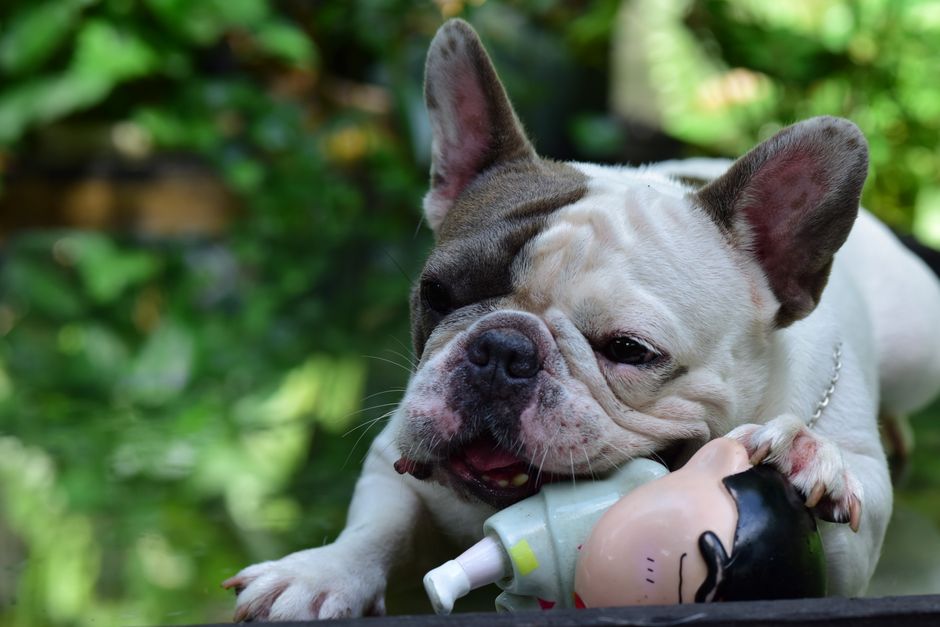
Photo by Sóc Năng Động via Pexels
French Bulldogs are not marathon runners. They’re built for comfort, not speed — and that’s perfectly fine. But moderate, consistent exercise is still essential for maintaining a healthy weight, supporting joint health, and keeping them mentally stimulated.
Daily Exercise Guidelines
- Aim for 20–30 minutes of exercise per day, split into two shorter sessions
- Moderate-paced walks are ideal — no need to jog or hike
- Short play sessions (fetch, tug, indoor puzzle toys) count toward daily activity
- Avoid exercise in hot or humid weather — walk early morning or evening when temperatures are below 75°F (24°C)
- Watch for signs of overexertion: heavy panting, excessive drooling, labored breathing, or stumbling. If you see these, stop immediately, move to a cool area, and offer water.
Mental Enrichment
Physical exercise alone isn’t enough — French Bulldogs also need mental stimulation to stay out of trouble. Bored Frenchies find their own entertainment, which usually involves something you’d prefer they hadn’t touched. Rotate puzzle feeders, snuffle mats, and training games to keep their minds engaged without overtaxing their bodies.
Nina Ottosson Dog Brick Interactive Puzzle Toy
Keeps French Bulldogs mentally stimulated with treat-dispensing compartments — great for rainy days or post-walk wind-downs.
Is a French Bulldog Right for You?
Photo by 🇻🇳🇻🇳Nguyễn Tiến Thịnh 🇻🇳🇻🇳 via Pexels
Frenchies are genuinely excellent companion dogs for the right household. They’re adaptable, affectionate, relatively quiet, and don’t need hours of outdoor exercise — which makes them ideal for apartment living, older owners, or anyone with a busy schedule. But they’re not a no-maintenance dog, and the health costs can be significant.
Consider a French Bulldog if you:
- Want a loyal, affectionate companion that loves being around people
- Live in an apartment or a home without a large yard
- Can handle moderate grooming duties (wrinkles, ears, nails)
- Are financially prepared for potential vet costs, including possible BOAS surgery
- Can commit to keeping them cool, calm, and at a healthy weight
Think carefully if you:
- Work long hours and can’t arrange for midday check-ins — separation anxiety is real in this breed
- Live in a very hot or humid climate without reliable air conditioning
- Are looking for an active hiking or jogging partner
Frequently Asked Questions
Are French Bulldogs good for first-time dog owners?
Yes, with some caveats. Frenchies are affectionate, adaptable, and don’t require intense exercise — all of which makes them manageable for first-timers. However, their stubbornness can make training challenging, and their health issues mean vet costs can add up. Going in educated (like you are right now!) puts you in a great position to succeed.
Do French Bulldogs bark a lot?
French Bulldogs are not excessive barkers — which is one of the reasons they make such good apartment dogs. They may bark to alert you to strangers or when they want attention, but they don’t tend to be the kind of dog that barks for hours on end. They do, however, snore, grunt, snort, and make a remarkable range of other noises due to their brachycephalic structure.
How much do French Bulldogs cost?
From a reputable, health-testing breeder, expect to pay anywhere from $2,000 to $5,000 or more for a French Bulldog puppy. “Rare” color dogs (blue, merle, lilac) are often priced even higher, but be cautious — that premium doesn’t reflect better health. Adoption through a French Bulldog rescue is a significantly more affordable option and gives a dog in need a second chance.
Can French Bulldogs be left alone during the day?
French Bulldogs can handle being alone for a few hours, but they’re prone to separation anxiety and don’t do well with very long periods of isolation. If you work full-time, consider hiring a dog walker, using doggy daycare a few days a week, or adopting a second dog for companionship. Building up alone time gradually from puppyhood also helps significantly.
Do French Bulldogs need air conditioning?
Essentially, yes. Because of their brachycephalic anatomy, French Bulldogs cannot cool themselves through panting as effectively as other breeds. Access to a cool, air-conditioned environment during hot weather isn’t a luxury for a Frenchie — it’s a health necessity. This is one of the more important practical considerations if you live somewhere with hot summers.

You Might Also Like

Are French Bulldogs Hypoallergenic? The Truth About Frenchies & Allergies
Are French Bulldogs hypoallergenic? Learn the truth about Frenchie allergens, why they trigger reactions, and how to manage allergies as…

Do French Bulldogs Shed? What to Expect + Tips to Manage It
Do French Bulldogs shed? Yes — here's how much, why it happens, and the best grooming tips to keep shedding…

Best Food for French Bulldogs: Top 6 Picks & Vet-Approved Buying Guide
Discover the best food for French Bulldogs in 2025. Top 6 vet-approved picks for puppies, sensitive stomachs, weight management &…