How to Clean French Bulldog Ears: A Complete Step-by-Step Guide
Those iconic bat ears are one of the most lovable things about French Bulldogs — they give Frenchies that alert, curious expression that’s hard to resist. But here’s the thing: those wide, upright ears are also remarkably good at collecting everything you don’t want in there. Dirt, dust, moisture, and wax can accumulate quickly, and because the ear canal is warm and relatively sheltered, it creates the perfect environment for bacteria and yeast to thrive.
According to VCA Animal Hospitals, otitis externa — inflammation of the outer ear canal — is one of the most common conditions seen in dogs, affecting up to 20% of the dog population. French Bulldogs, with their tendency toward skin sensitivities and allergies, are particularly vulnerable. The good news? Regular, proper ear cleaning goes a long way toward keeping infections at bay.
This guide walks you through everything you need to know: how often to clean, what supplies to use, a detailed step-by-step process, and what warning signs to watch for. Whether you’re a first-time Frenchie parent or just want to refine your technique, you’re in the right place.
Quick Note: If your French Bulldog’s ears already look red, smell unpleasant, or are causing your dog visible discomfort, skip the home cleaning and call your vet first. Cleaning an already-infected ear without proper diagnosis can sometimes make things worse.
Why French Bulldogs Are Prone to Ear Problems

Photo by Sóc Năng Động via Pexels
Not all dog breeds carry the same ear infection risk. French Bulldogs face a few specific challenges that make ear hygiene especially important:
- Open, upright ears: Unlike floppy-eared breeds where moisture gets trapped under the flap, Frenchies have open ears that collect airborne debris easily.
- Skin allergies: French Bulldogs are well-known for their sensitive skin. Allergies — whether environmental or food-related — can trigger inflammation in the ear canal, making infections more likely. The AKC notes that skin issues are among the most common health concerns in the breed.
- Moisture retention: After bathing or swimming, water can sit in the ear canal longer than owners might realize.
- Narrower ear canals: Some Frenchies have naturally narrower canals, which can slow the natural migration of wax and debris out of the ear.
If your Frenchie also has a lot of skin folds, you’re probably already familiar with the importance of routine cleaning in general — it’s the same principle applied to the ears. (Speaking of folds, check out our guide to the best wrinkle wipes for French Bulldogs if you want to keep those facial creases clean and healthy too.)
How Often Should You Clean Your French Bulldog’s Ears?

Photo by 🇻🇳🇻🇳Nguyễn Tiến Thịnh 🇻🇳🇻🇳 via Pexels
There’s no single answer that works for every dog — frequency depends on your Frenchie’s lifestyle, environment, and ear health history. Here’s a general framework:
| Situation | Recommended Cleaning Frequency |
|---|---|
| Healthy ears, indoor lifestyle | Every 2–4 weeks |
| Spends a lot of time outdoors | Weekly or as needed |
| History of ear infections or allergies | Weekly (or as directed by your vet) |
| After swimming or bathing | Each time, within a few hours |
| Currently being treated for an infection | Follow your vet’s specific instructions |
The key is to check your dog’s ears regularly — ideally during your weekly grooming routine — and clean them when you see visible dirt, light wax buildup, or any early signs of debris. Avoid over-cleaning, though. Cleaning too frequently strips the ear of its natural protective oils and can actually increase the risk of irritation and infection.
What Supplies Do You Need to Clean French Bulldog Ears?
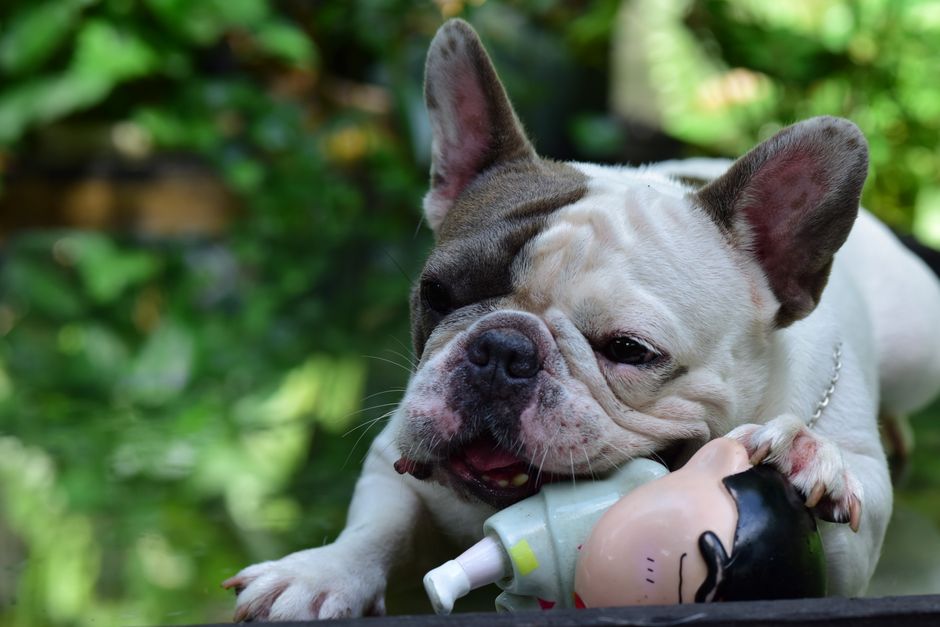
Photo by Sóc Năng Động via Pexels
Having everything ready before you start makes the whole process smoother — especially because once you’ve got your Frenchie settled, you don’t want to be hunting around for supplies.
- Veterinarian-approved dog ear cleaning solution — This is non-negotiable. Never use water alone, hydrogen peroxide, or alcohol, as these can damage the delicate tissue inside the ear. Look for a solution with a drying agent if your dog is prone to moisture-related issues.
- Cotton balls or gauze pads — Soft and effective for wiping away debris without scratching the skin.
- Cotton swabs (optional, with caution) — These can be used very gently on the visible outer folds only. Never insert them into the ear canal.
- Soft towel — To wrap around your dog or drape nearby, and to catch any mess when your dog shakes their head.
- High-value treats — Training your dog to associate ear cleaning with rewards makes this a much more pleasant experience for both of you.
- A second pair of hands (optional) — Helpful if your Frenchie is wiggly or new to the process.
Veterinarian-Approved Dog Ear Cleaning Solution
A gentle, pH-balanced formula that dissolves wax and dries the ear canal — essential for safe, effective Frenchie ear cleaning at home.
How to Clean French Bulldog Ears: Step-by-Step

Photo by gael le quernec via Pexels
Follow these steps carefully and take your time, especially if your dog is new to ear cleaning. Rushing the process can make your Frenchie anxious, turning routine maintenance into a battle every single time.
Step 1: Set the Scene and Prepare Your Dog
Choose a calm, comfortable spot — a non-slip bathroom floor works well, or you can do it on a low table if you have a helper. Let your dog sniff the supplies before you begin. Offer a treat to start things on a positive note. If your Frenchie is especially fidgety, ask someone to gently hold them still while you focus on the ears.
It helps to build up to this gradually with puppies. Start by just touching and handling the ears for a few days before introducing any cleaning solution, so they learn that ear attention isn’t something to fear.
Step 2: Inspect the Ears First
Before reaching for the cleaning solution, take a good look at both ears. You’re checking for:
- Redness or swelling inside the ear flap or canal opening
- Dark brown or black discharge (can indicate yeast or mites)
- A foul or yeasty odor
- Excessive wax that looks darker than a normal pale yellow
- Any visible parasites like ear mites (tiny dark dots)
If everything looks relatively normal — light tan or pale yellow wax, no odor, no redness — you’re good to proceed. If anything looks off, contact your vet before cleaning.
Vet Tip: A healthy ear should look light pink, smell neutral or very mildly “doggy,” and have minimal to light wax. Anything beyond that warrants a professional opinion before you clean.
Step 3: Apply the Ear Cleaning Solution
Gently hold the ear flap upright with one hand to open up the canal, then carefully insert the tip of the cleaning solution bottle into the opening of the ear canal — don’t push it deep, just enough to direct the solution inward. Squeeze the bottle to fill the canal, following the dosage instructions on your specific product.
It’s normal for your dog to flinch slightly — the solution may feel cool or odd. Stay calm and talk reassuringly throughout.
Step 4: Massage the Base of the Ear
This is the most important step that many owners skip. Hold the base of the ear (where it meets the skull) and massage it firmly but gently in a circular motion for 20–30 seconds. You should hear a squelching or squishing sound — that’s the solution breaking up the wax and debris inside the canal. This step is what actually does the cleaning work; the wiping afterward is just cleanup.
Step 5: Let Your Dog Shake
Step back slightly and let your dog do what comes naturally — shake their head. This helps dislodge the loosened debris and expel excess solution from the canal. Don’t skip this step by trying to wipe before the shake; you’ll end up pushing debris back in rather than removing it. Have that towel nearby to catch the spray!
Step 6: Wipe Away the Debris
Take a fresh cotton ball or gauze pad and gently wipe the inside of the ear flap and the very outer portion of the canal opening. Use a fresh cotton ball for each swipe — don’t push the same debris around with one dirty ball. Remove as much wax and dirt as you can see without reaching any deeper than your finger can comfortably and safely go.
Never probe deep into the ear canal. The AKC advises that inserting anything deep into the canal at home risks damaging the eardrum and should always be left to a veterinarian.
Step 7: Repeat on the Other Ear
Use fresh cotton balls and, if possible, wash your hands between ears to avoid cross-contamination. Repeat steps 3 through 6 on the second ear, then reward your dog generously with praise and treats. Make it a party — you want your Frenchie to look forward to ear cleaning time, not dread it.
Signs of Ear Infections to Watch Out For

Photo by Sóc Năng Động via Pexels
Even with consistent ear cleaning, French Bulldogs can still develop infections. Catching them early makes treatment easier and less stressful for your dog. Watch for these warning signs:
- Frequent head shaking or tilting to one side
- Persistent scratching at one or both ears
- Redness, swelling, or heat inside the ear
- Dark discharge or excessive wax — especially if it’s brown or black
- A sour, yeasty, or foul odor
- Whimpering or pulling away when the ear is touched
- Visible crusting or scabbing around the ear opening
According to research published via PubMed, recurrent otitis in dogs is often connected to underlying allergic disease — so if your Frenchie keeps getting ear infections despite regular cleaning, it’s worth discussing allergy testing or dietary changes with your vet.
Important: Never try to treat a suspected ear infection at home with over-the-counter products without a vet diagnosis. Bacterial and yeast infections require different treatments, and using the wrong product can worsen the condition or mask symptoms.
Ear Cleaning Do’s and Don’ts: A Quick Reference

Photo by Sóc Năng Động via Pexels
| Do This ✅ | Avoid This ❌ |
|---|---|
| Use a vet-approved ear cleaning solution | Use water, alcohol, or hydrogen peroxide |
| Massage the ear base for 20–30 seconds | Skip the massage step |
| Let your dog shake before wiping | Wipe immediately without letting them shake |
| Wipe only the visible outer ear | Insert cotton balls or swabs into the canal |
| Clean after bathing or swimming | Over-clean healthy ears more than once a week |
| See your vet if you notice unusual symptoms | Try to treat an infection at home without diagnosis |
Tips for Keeping Your French Bulldog’s Ears Healthy Long-Term
Photo by David Kanigan via Pexels
Cleaning is just one piece of the puzzle. Here are a few additional habits that support long-term ear health in French Bulldogs:
- Check ears weekly as part of a grooming routine. A quick visual check takes 30 seconds and can catch problems early.
- Dry the ears thoroughly after baths or water exposure. Gently use a cotton ball or soft cloth to absorb any moisture from the ear opening after bathing.
- Address allergies proactively. If your Frenchie has known environmental or food allergies, working with your vet to manage them can significantly reduce ear flare-ups.
- Feed a balanced, high-quality diet. Skin and ear health are closely connected to overall nutrition.
- Schedule regular vet check-ups. Your vet can spot early signs of infection or structural issues you might miss at home.
- Be consistent. Sporadic cleaning is less effective than a regular, predictable routine that your dog gets used to.
Frenchies are wonderfully adaptable little dogs — if you’re curious about other ways to keep them happy and healthy at home, our article on whether French Bulldogs are good with kids covers some great insights into their temperament and care needs as a family dog.
Gentle Dog Ear Wipes
Pre-moistened, vet-formulated wipes that make quick ear maintenance easy between full cleaning sessions — great for weekly spot checks.
When to See a Veterinarian About Your Frenchie’s Ears

Photo by 🇻🇳🇻🇳Nguyễn Tiến Thịnh 🇻🇳🇻🇳 via Pexels
Home ear cleaning is a valuable preventive tool, but it has its limits. Make an appointment with your veterinarian if:
- Your dog is showing signs of pain, discomfort, or loss of balance
- You notice any bleeding or open sores inside the ear
- There is a strong or persistent foul odor even after cleaning
- The discharge is dark, thick, or has changed in color or texture
- Your dog has had more than one or two ear infections in a year
- The ears look structurally abnormal or swollen
Ear infections that aren’t treated promptly can progress deeper into the middle or inner ear, potentially affecting your dog’s hearing and balance. Early intervention is always the better choice.
And if you’ve ever wondered whether your Frenchie’s unique characteristics make them more high-maintenance compared to other breeds, our guide to dogs similar to French Bulldogs is a great read for comparing care requirements across similar breeds.
Frequently Asked Questions
How do I know if my French Bulldog’s ears need cleaning?
Check your Frenchie’s ears weekly. If you notice light brown or pale yellow wax, visible dirt or debris, or a mild odor, it’s time for a clean. If the wax is dark brown or black, the smell is strong, or the ear looks red or irritated, contact your vet rather than cleaning at home — those can be signs of infection.
Can I use baby wipes or water to clean my French Bulldog’s ears?
No — this is a common mistake. Baby wipes often contain fragrances, preservatives, or alcohol that can irritate a dog’s sensitive ear tissue. Plain water doesn’t dissolve wax effectively and can leave moisture in the canal, actually increasing the risk of infection. Always use a veterinarian-approved dog ear cleaning solution designed specifically for this purpose.
How can I get my French Bulldog to sit still during ear cleaning?
Patience and positive reinforcement are your best tools. Start by simply handling your dog’s ears regularly without cleaning — just touch, praise, and treat. Gradually introduce the cleaning solution over multiple short sessions. Using high-value treats (think small pieces of chicken or their absolute favorite snack) during and immediately after cleaning helps build a positive association. Having a second person gently hold the dog can also help during the early stages.
What’s the difference between a yeast infection and a bacterial ear infection in French Bulldogs?
Both can cause similar symptoms — redness, discharge, and odor — but there are some differences. Yeast infections (caused by Malassezia) typically produce a sweet, musty, or “corn chip” odor and dark brown waxy discharge. Bacterial infections often smell more foul or rancid and can produce pus-like discharge. However, it’s impossible to tell for certain without a vet examining a sample under a microscope or culturing it. Don’t try to self-diagnose — get a proper diagnosis so the right treatment is used.
How often should I clean my French Bulldog’s ears after a bath?
You should clean your Frenchie’s ears every time they get wet — whether from a bath, swimming, or heavy rain. Moisture in the ear canal is one of the leading contributors to ear infections. Use a cotton ball to gently absorb any visible moisture at the ear opening, then apply your ear cleaning solution and follow the full cleaning process. This simple habit after every bath can make a significant difference in long-term ear health.

You Might Also Like
Why Do French Bulldogs Fart So Much? Causes, Fixes & When to Worry
Find out why French Bulldogs fart so much, what foods cause it, and proven tips to reduce your Frenchie's gas…
Best Nail Clippers for Golden Retrievers: Top 5 Picks & Expert Grooming Guide
Discover the best nail clippers for Golden Retrievers in 2025. Expert picks, buying tips, and a step-by-step trimming guide for…

Golden Retriever Cancer: Risks, Warning Signs & Prevention Guide
Nearly 60% of Golden Retrievers develop cancer. Learn the warning signs, top risk factors, and science-backed prevention strategies to protect…