Do French Bulldogs Shed? What to Expect + Tips to Manage It
If you’re thinking about bringing a French Bulldog home — or you already have one and you’re finding little hairs on your sofa — you’re probably wondering just how much shedding you’re in for. The good news? French Bulldogs are considered moderate shedders, which puts them well below heavy-shedding breeds like Huskies or German Shepherds. The not-so-great news? They’re not hypoallergenic, and that short, smooth coat sheds more consistently than many new owners expect.
As someone who’s spent a lot of time researching and writing about dog breeds, I can tell you that shedding is one of the most common surprises for first-time Frenchie owners. The hair is short, so it doesn’t clump into tumbleweeds like a Golden Retriever’s — but it has a sneaky way of embedding itself into fabric and clothing. The good news is that with a bit of routine, it’s very manageable.
This guide covers everything you need to know: how much French Bulldogs actually shed, what drives it, how to reduce it, and when shedding might signal a health problem worth checking out.
Understanding French Bulldog Coat Type

Photo by 🇻🇳🇻🇳Nguyễn Tiến Thịnh 🇻🇳🇻🇳 via Pexels
French Bulldogs have a short, fine, smooth single-layer coat. Unlike double-coated breeds — which have a dense undercoat beneath a longer topcoat — Frenchies have just one layer of fur. According to the American Kennel Club’s French Bulldog breed profile, their coat is described as “brilliant, short and smooth,” and it’s one of the features that makes them relatively easy to maintain compared to many other breeds.
That single-layer coat is part of why Frenchies don’t shed as dramatically as, say, a Labrador or a Husky. But “single coat” doesn’t mean “no shedding.” Hair growth and shedding are natural biological processes for all dogs, and French Bulldogs follow that same cycle — just on a smaller, more manageable scale.
The Hair Growth Cycle
Dog hair grows in cycles: anagen (growth), catagen (transition), telogen (resting), and exogen (shedding). According to VCA Animal Hospitals, the length and timing of these cycles vary by breed, age, health status, and environmental factors like daylight and temperature. For French Bulldogs, the cycle moves relatively quickly, which is why you may notice consistent but low-level shedding throughout the year rather than one dramatic seasonal blow-out.
How Much Do French Bulldogs Actually Shed?

Photo by Sóc Năng Động via Pexels
To give you a clearer picture, here’s how French Bulldog shedding compares to some other popular breeds:
| Breed | Coat Type | Shedding Level | Seasonal Shedding? |
|---|---|---|---|
| French Bulldog | Short, single layer | Moderate | Yes (mild increase) |
| Golden Retriever | Long, double layer | Very High | Yes (very heavy) |
| Labrador Retriever | Short, double layer | High | Yes (heavy) |
| Poodle | Curly, single layer | Very Low | Minimal |
| Bulldog (English) | Short, fine | Moderate | Yes (mild increase) |
| Siberian Husky | Thick, double layer | Very High | Yes (extreme) |
| Boston Terrier | Short, fine | Low to Moderate | Minimal |
As you can see, French Bulldogs sit comfortably in the middle. If you’ve ever lived with a Golden Retriever (check out our guide on Golden Retriever feathering and coat care to understand what heavy shedding really looks like), you’ll find the Frenchie’s coat a refreshing change of pace.
When Do French Bulldogs Shed the Most?
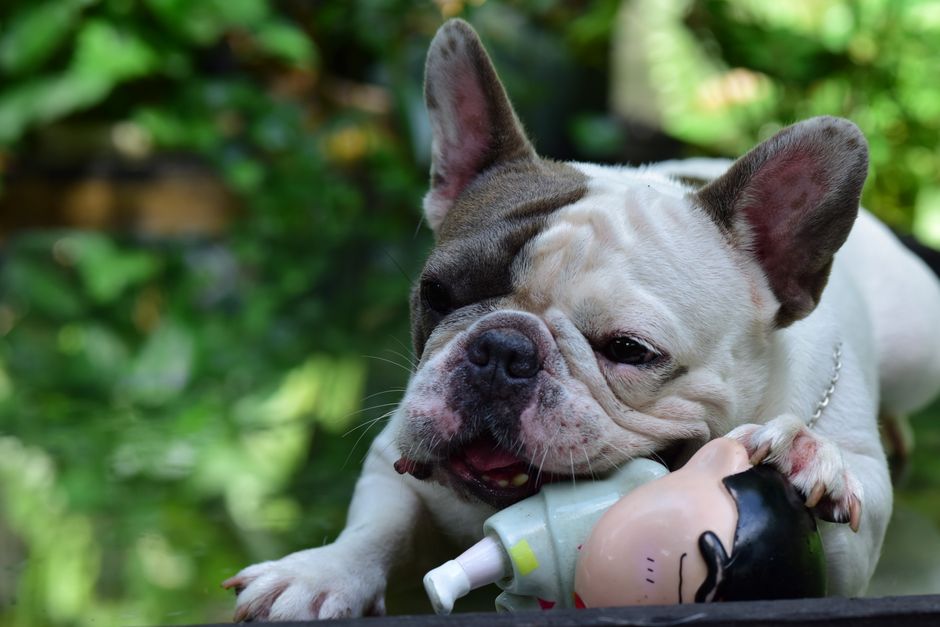
Photo by Sóc Năng Động via Pexels
French Bulldogs shed moderately all year, but you’ll typically notice two seasonal peaks:
- Spring (March–May): Your Frenchie sheds their heavier winter coat to prepare for warmer months.
- Fall (September–November): They shed the lighter summer coat to make way for winter growth.
During these periods, you might notice slightly more hair on your furniture, clothing, and floors than usual. It’s not dramatic, but it is noticeable — and a little extra brushing during these windows goes a long way.
What Factors Influence How Much a French Bulldog Sheds?

Photo by María Celeste Vallejos via Pexels
Shedding isn’t just about breed genetics — several variables can increase or decrease how much your Frenchie sheds on a day-to-day basis.
1. Diet and Nutrition
This is probably the single biggest controllable factor. A diet deficient in essential fatty acids — particularly Omega-3 and Omega-6 — can lead to a dry, brittle coat that sheds excessively. Research published through veterinary nutrition channels consistently links adequate Omega-3 intake (especially from EPA and DHA) to improved coat quality, reduced inflammation in the skin, and healthier hair follicles. Look for a high-quality dog food that lists a named animal protein as the first ingredient and includes sources of Omega-3s such as fish oil or flaxseed.
Omega-3 Fish Oil Supplement for Dogs
A daily fish oil supplement can improve coat health and reduce excess shedding — look for one with a guaranteed EPA and DHA content and third-party purity testing.
2. Seasonal and Hormonal Changes
As mentioned above, light cycles and temperature shifts trigger hormonal changes that regulate the hair growth cycle. Hormonal events like pregnancy, heat cycles, and spaying or neutering can also temporarily affect shedding patterns. It’s not uncommon for female Frenchies to shed more heavily after giving birth or during a heat cycle.
3. Age
Puppies go through a coat transition at around 6–12 months when their soft puppy fur is replaced by their adult coat. This transition phase can result in a temporary uptick in shedding. Senior dogs may also experience changes in coat density and texture as their hormonal regulation shifts with age.
4. Stress
Dogs under chronic stress can shed more than normal. Separation anxiety, changes in environment, or major life disruptions (like moving house or the arrival of a new pet) can all contribute to increased shedding. If your Frenchie has been shedding more during a stressful period, that’s likely a contributing factor.
5. Skin Health and Allergies
French Bulldogs are known to be prone to skin sensitivities and environmental allergies. Allergic reactions — whether to food, pollen, dust mites, or cleaning products — can cause skin irritation that leads to excessive scratching and hair loss. This is different from normal shedding and warrants a vet visit if you notice it.
How to Manage French Bulldog Shedding

Photo by Sóc Năng Động via Pexels
The good news is that you have a lot of control over how much loose hair ends up on your floors and furniture. Here’s a practical, step-by-step approach to keeping Frenchie shedding under control:
Step 1: Brush Regularly
Aim to brush your French Bulldog 2–3 times per week using a brush designed for short-haired breeds. A rubber grooming mitt or a soft-bristle brush works really well — it grabs loose hair before it falls, gives your dog a gentle massage, and stimulates the skin’s natural oils. During peak shedding seasons in spring and fall, bump this up to daily brushing.
The same principle applies to heavier-coated breeds too — if you’ve ever browsed our guide to the best brushes for Golden Retrievers, you’ll know that the right tool makes a huge difference, even on shorter coats.
Rubber Grooming Mitt for Short-Haired Dogs
Gentle on sensitive Frenchie skin while effectively removing loose fur before it ends up on your furniture.
Step 2: Bathe Monthly (But Not Too Often)
Bathing your French Bulldog once every 4–6 weeks with a gentle, dog-specific shampoo helps loosen and remove dead hair, keeps the skin clean, and supports coat health. Avoid over-bathing — washing more frequently than every 3–4 weeks can strip the natural oils from their skin, leading to dryness and paradoxically more shedding.
Always use a shampoo formulated for dogs. Human shampoos have a different pH balance and can irritate a dog’s skin. For Frenchies with sensitive skin, look for formulas with oatmeal, aloe vera, or chamomile.
Step 3: Feed a High-Quality Diet
As noted above, nutrition has a direct impact on coat health. Make sure your Frenchie is eating a complete, balanced diet appropriate for their age and weight. If you’re noticing persistent dull coat or excess shedding, talk to your vet about whether a food-based Omega-3 supplement or a diet change might help.
Step 4: Keep Up With Hydration
Dehydration can contribute to dry skin and increased shedding. Make sure your French Bulldog always has access to fresh, clean water. This sounds simple, but it’s one of the most overlooked factors in coat health.
Step 5: Manage Your Home
Even with great grooming habits, some hair will still end up in your home. A few practical tips:
- Vacuum furniture and floors 2–3 times per week, especially during seasonal shedding peaks.
- Use a lint roller on clothing and upholstery — keep one in the car too.
- Consider washable slipcovers for sofas if your Frenchie likes to cuddle up.
- A HEPA air purifier can help capture airborne pet dander and hair particles.
When Shedding Becomes a Health Concern

Photo by gael le quernec via Pexels
Normal shedding is uniform and gradual. Abnormal shedding is something different — and it’s worth knowing the difference.
Consult your veterinarian if you notice any of the following:
- Bald patches or thinning in specific areas
- Red, inflamed, or flaky skin beneath the coat
- Excessive scratching, licking, or rubbing
- A dull, brittle coat that feels dry or rough to the touch
- Shedding that began suddenly without any obvious trigger
These symptoms can indicate underlying conditions including:
- Allergies (environmental or food-based)
- Mange (caused by mites — see VCA Hospitals’ overview of mange in dogs)
- Hypothyroidism (underactive thyroid — a known cause of hair loss in dogs)
- Cushing’s disease (excess cortisol production)
- Fungal infections such as ringworm
French Bulldogs are also prone to skin fold dermatitis due to their adorable wrinkles. While this primarily causes skin irritation rather than shedding, it can contribute to overall skin health issues that affect the coat. Keeping those folds clean is essential — take a look at our guide to the best wrinkle wipes for French Bulldogs for product recommendations that make this routine easy.
Are French Bulldogs Hypoallergenic?

Photo by Sóc Năng Động via Pexels
This is a question that comes up a lot — and the short answer is no, French Bulldogs are not hypoallergenic. No dog breed truly is, despite what some marketing might suggest. Allergic reactions in humans are triggered not just by pet hair but by pet dander (dead skin flakes), saliva, and urine proteins — all of which French Bulldogs produce.
According to the AKC’s guidance on hypoallergenic dogs, some breeds may produce fewer allergens or shed less dander, making them more tolerable for allergy sufferers — but no breed is completely allergen-free. If allergies are a concern in your household, spend time with a French Bulldog before committing to ownership, and consult your allergist.
French Bulldog Shedding vs. Similar Breeds

Photo by 🇻🇳🇻🇳Nguyễn Tiến Thịnh 🇻🇳🇻🇳 via Pexels
If you’re weighing your options and shedding level is an important factor, here’s a quick comparison of French Bulldogs against a few similar compact breeds:
| Breed | Shedding Level | Grooming Frequency | Hypoallergenic? |
|---|---|---|---|
| French Bulldog | Moderate | 2–3x/week brushing | No |
| Boston Terrier | Low to Moderate | 1–2x/week brushing | No |
| Pug | High (for a small dog) | Daily brushing recommended | No |
| Shih Tzu | Low | Daily brushing (long coat) | Often listed as low-allergen |
| Miniature Schnauzer | Low | Regular professional grooming | Often listed as low-allergen |
If you’re interested in breeds similar to French Bulldogs but with slightly different shedding profiles, our article on dogs similar to French Bulldogs is a great resource to explore your options.
Final Thoughts
Photo by 🇻🇳🇻🇳Nguyễn Tiến Thịnh 🇻🇳🇻🇳 via Pexels
French Bulldogs are wonderful companions — affectionate, funny, and surprisingly low-maintenance when it comes to grooming. Yes, they shed, but it’s nothing that a consistent routine can’t handle. A couple of brushing sessions per week, a monthly bath, a quality diet, and some regular vacuuming will keep the hair situation well under control.
The most important takeaway is to know the difference between normal shedding and problematic shedding. If your Frenchie’s coat looks healthy and full, and the shedding is gradual and even, you’re in good shape. If something looks off — bald patches, skin irritation, sudden increase — don’t delay that vet visit.
Owning a French Bulldog means a little extra lint rolling and vacuuming, but trust us: the payoff in personality and companionship is absolutely worth it.
Frequently Asked Questions
Do French Bulldogs shed a lot compared to other breeds?
French Bulldogs are moderate shedders. Compared to heavy-shedding breeds like Huskies, Labradors, or Golden Retrievers, Frenchies shed considerably less. Their short, single-layer coat means individual hairs are small, though they can still cling stubbornly to fabric and upholstery. With regular brushing and a good diet, shedding is very manageable.
Why is my French Bulldog shedding so much all of a sudden?
A sudden increase in shedding can be caused by seasonal coat changes (especially in spring and fall), stress, hormonal shifts, dietary deficiencies, or an underlying health condition such as allergies, hypothyroidism, or a skin infection. If the increase is dramatic or accompanied by bald patches, skin redness, or behavioral changes, it’s worth scheduling a vet visit to rule out medical causes.
What is the best brush for a French Bulldog?
For French Bulldogs, a rubber grooming mitt or a soft-bristle brush works best. These tools are gentle on their sensitive skin while effectively capturing loose, fine hairs. A deshedding tool like a Furminator (on its gentlest setting) can also be used sparingly during peak shedding seasons, but avoid anything too stiff or harsh, as it can irritate their skin.
Can diet changes reduce French Bulldog shedding?
Yes — nutrition has a direct impact on coat health. Diets rich in Omega-3 and Omega-6 fatty acids support healthy skin and hair follicles, which can reduce excess shedding. If you’re feeding a lower-quality kibble, upgrading to a food with a named animal protein as the first ingredient and adding a fish oil supplement can make a noticeable difference within a few weeks.
Are French Bulldogs good for people with dog allergies?
French Bulldogs are not considered hypoallergenic. While they shed less than many breeds, they still produce dander, saliva, and other proteins that trigger allergic reactions in sensitive individuals. If you or someone in your household has dog allergies, spend extended time with a French Bulldog before bringing one home, and consult an allergist to understand your specific triggers.

You Might Also Like

Best Bed for French Bulldogs: Top 6 Picks for Comfort, Support & Better Sleep
Discover the best beds for French Bulldogs in 2025. Expert picks for orthopedic, cave, cooling & elevated beds to keep…

How Big Do French Bulldogs Get? Size, Growth Stages & Weight Guide
How big do French Bulldogs get? Learn average size, growth stages, weight charts, and tips to keep your Frenchie healthy…

The Complete French Bulldog Guide: Temperament, Care, Health & More
Everything you need to know about French Bulldogs: temperament, health, grooming, training, and care tips from experts. Your definitive Frenchie…