Golden Retriever Feathering Care: 5 Tips for a Healthy, Gorgeous Coat
There’s something almost magical about watching a Golden Retriever move through an open field, coat flowing behind them in the breeze. That long, silky hair on their legs, ears, chest, and belly — known as feathering — is one of the breed’s most iconic features. It’s also one of the most misunderstood when it comes to everyday care.
New Golden owners often discover this the hard way. Skip a few brushing sessions, let your dog charge through wet grass, and before you know it you’re staring at a mat the size of a golf ball tucked behind the ear. It forms fast, and once it tightens against the skin it’s not just unsightly — it’s genuinely uncomfortable for your dog.
The good news? With a consistent routine and the right tools, keeping your Golden’s feathering in beautiful condition is completely manageable. Once you get into the rhythm, it can even become one of the nicest parts of your day together.
This guide covers everything you need: what feathering actually is, why it matters for your dog’s health, the best tools and techniques, how to handle common problems, and when to call in a professional.
What Is Feathering on a Golden Retriever?
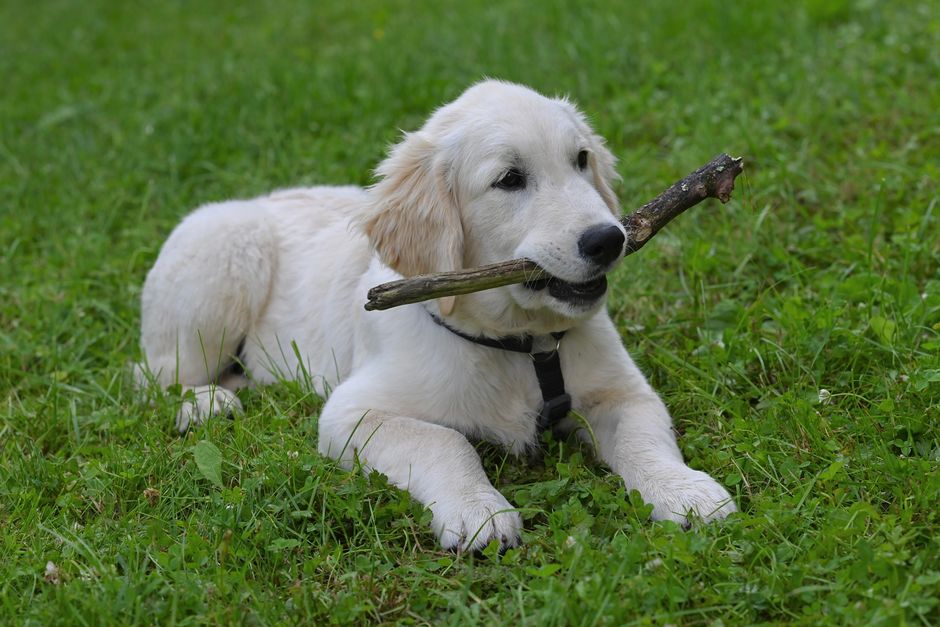
Photo by JacLou- DL via Pexels
Feathering refers to the longer, softer hair that grows on specific areas of a Golden Retriever’s body — primarily the ears, chest, belly, backs of the legs, and tail. It’s what gives the breed that flowing, elegant silhouette that’s so instantly recognisable.
According to the American Kennel Club’s Golden Retriever breed standard, the outer coat should be dense and water-repellent, with feathering contributing to the breed’s overall balanced appearance.
It’s worth knowing that feathering varies quite a bit between individual dogs. Some Goldens have long, wavy feathering that practically sweeps the floor; others carry a shorter, flatter coat. This comes down to genetics, age, and even environmental factors like diet and climate. There’s no “wrong” type — it’s part of what makes each Golden unique. You can read more about the breed’s overall characteristics in our Golden Retriever Dog Breed Guide.
How Feathering Changes Through Life Stages
Golden Retriever puppies are born with shorter, softer coats that show very little feathering. As they mature — typically between 12 and 18 months — the adult double coat develops and feathering becomes much more prominent. Some dogs continue to fill out their coat until around two years of age, so don’t panic if your young Golden doesn’t look very feathery yet.
Senior Goldens may experience gradual changes in coat texture and density. If you notice your older dog’s coat thinning significantly or becoming coarser, it’s worth a vet visit — these changes can sometimes indicate thyroid issues or other underlying health conditions. For more on what to expect as your dog gets older, our post on Golden Retriever Aging: 5 Unique Traits of Senior Dogs is a helpful read.
Why Feathering Care Matters for Your Dog’s Health

This isn’t just about aesthetics. Neglected feathering can lead to real, uncomfortable health problems that go far beyond a bad hair day.
Matted hair traps moisture against the skin, creating the perfect warm, damp environment for bacterial and fungal infections to take hold. According to VCA Animal Hospitals, regular grooming helps owners identify skin abnormalities early — things like hot spots, rashes, lumps, or parasites that can easily go unnoticed beneath a thick coat.
Mats can also become genuinely painful. When tangled hair pulls tight against the skin, it can restrict circulation and cause open sores. Key areas to check during every grooming session include:
- Behind the ears
- Under the armpits and around the collar
- Along the belly and chest feathering
- Behind the elbows
- Between the toes and around the paw pads
The simple act of staying on top of grooming isn’t a luxury — it’s a core part of responsible dog ownership.
Tip 1: Build Your Golden Retriever Grooming Toolkit

Photo by JacLou- DL via Pexels
Having the right tools makes an enormous difference. The wrong brush can break the hair, cause discomfort, or simply not do the job effectively. Here’s what you actually need in your kit:
- Slicker brush: Your everyday go-to. Great for removing loose hair, surface debris, and light tangles from the outer coat.
- Pin brush: Ideal for smoothing and working through feathering on the legs, chest, and tail without causing breakage.
- Wide-tooth metal comb: Essential for detail work — behind the ears, between the toes, and along the belly. If the comb passes through freely, you know there are no hidden mats.
- De-shedding tool (like a Furminator): Invaluable during spring and fall shedding seasons for pulling out dead undercoat before it works its way into the feathering and causes mats.
- Detangling spray or leave-in conditioner: A light spritz before brushing reduces friction and makes the whole process far more comfortable for your dog.
- Mat splitter or mat comb: Useful for safely working through tighter tangles without resorting to scissors.
Not sure which brush is worth investing in? We’ve done the legwork — check out our guide to the Best Brush for Golden Retrievers for top-rated picks at every price point.
Pin & Slicker Brush Combo for Long-Haired Dogs
A quality pin and slicker brush set is the foundation of any Golden Retriever grooming kit — look for cushioned bristles and an ergonomic handle for comfort during longer sessions.
Tip 2: Master the Right Brushing Technique

Photo by Rakhima Khodjakbarova via Pexels
Regular brushing is the single most important thing you can do for your Golden’s feathering. Ideally, aim for daily brushing — especially during shedding seasons. If that’s not realistic, a minimum of three times per week will keep things manageable. The key is consistency: short, regular sessions are far more effective than one marathon grooming day every few weeks.
Step-by-Step Brushing Routine
- Lightly mist the feathered areas with detangling spray before you begin.
- Use your slicker brush to work through the coat section by section, starting at the head and moving toward the tail. Always brush in the direction of hair growth.
- Pay extra attention to the high-mat zones: behind the ears, under the collar, in the armpits, behind the elbows, and along the belly.
- Switch to a pin brush to smooth and separate the longer feathering on the legs, chest, and tail.
- Finish with a wide-tooth metal comb through all feathered areas. If the comb catches anywhere, go back and work it out gently before moving on — that snag is a mat in the making.
- Reward your dog with praise or a small treat at the end. Keeping grooming sessions positive is especially important with puppies.
Brushing Frequency at a Glance
| Time of Year | Recommended Frequency | Key Focus |
|---|---|---|
| Year-round baseline | 3–4 times per week | Feathering, belly, behind ears |
| Spring shedding season | Daily | Undercoat removal, preventing mat formation |
| Fall shedding season | Daily | Undercoat removal, preventing mat formation |
| After swimming or rain | Immediately after drying | Full coat, especially feathering |
| Puppy stage (under 12 months) | 2–3 times per week | Building tolerance, light grooming habit |
Tip 3: Get Bathing and Conditioning Right

Photo by JacLou- DL via Pexels
Bathing is important, but more isn’t always better. Most veterinary guidance — including recommendations from VCA Animal Hospitals — suggests bathing your Golden every four to six weeks under normal circumstances. Dogs that swim frequently, roll in mud, or spend a lot of time outdoors may need more frequent baths, but over-bathing strips the natural oils from the coat, leaving it dry, brittle, and more prone to tangling.
Choosing the Right Products
Always use a shampoo formulated specifically for dogs. Human shampoos have a different pH balance and can irritate your dog’s skin over time. For Golden Retrievers, look for a moisturising shampoo designed for long-haired or double-coated breeds, followed by a hydrating conditioner. This combination keeps feathering smooth, manageable, and less prone to tangling between baths. Our Best Shampoo for Golden Retrievers guide covers the top options worth considering.
Step-by-Step Bathing Guide for Feathering
- Brush thoroughly before bathing. This is non-negotiable — water causes existing mats to tighten significantly and become much harder to remove once wet.
- Use lukewarm water and massage shampoo all the way down to the skin, not just the surface coat. Don’t just lather the top layer.
- Rinse thoroughly — leftover shampoo residue is a common cause of skin irritation and coat dullness.
- Apply a hydrating conditioner, focusing on the feathered areas. Leave it on for two to three minutes before rinsing.
- Towel dry gently, then use a blow dryer on a low, cool setting while brushing to prevent the coat from drying tangled and clumped.
Moisturizing Dog Shampoo & Conditioner for Long Coats
A sulfate-free, moisturising formula designed for double-coated breeds makes a noticeable difference in how smooth and manageable your Golden’s feathering is after a bath.
Tip 4: Tackle Common Feathering Problems Before They Escalate

Photo by MAURO FOSSATI via Pexels
Matting and Tangles
Mats are the number one enemy of Golden Retriever feathering. They form fastest when the coat gets wet and isn’t brushed out promptly — after swimming, a walk in the rain, or even heavy morning dew on the grass. If your Golden loves the water (and most of them really do!), make it a habit to dry and brush them out after every swim. For more on swimming safely with your Golden, take a look at our post: Can Golden Retrievers Swim? 5 Amazing Traits That Make Them Natural Water Dogs.
For small mats, apply a detangling spray, then use your fingers to gently tease the mat apart from the edges inward before working through it with a wide-tooth comb. For larger or tighter mats sitting close to the skin, a mat splitter can help — but if you’re not confident, call a professional groomer rather than risk cutting your dog’s skin with scissors.
Skin Irritations and Allergies
Golden Retrievers are among the breeds more frequently affected by environmental and food allergies, which can show up as skin redness, itching, hot spots, and poor coat quality. According to the AKC’s Golden Retriever health resources, skin and coat conditions are among the more commonly reported health concerns in the breed.
Regular grooming helps you catch hot spots early — before a small patch of irritated skin becomes a serious infection requiring veterinary treatment. If you’re seeing recurring skin issues, speak to your vet about allergy testing and appropriate treatment options.
Diet plays a role too: omega-3 and omega-6 fatty acids are well-documented for supporting coat health and reducing inflammation. A study published in Veterinary Dermatology found that dietary fatty acid supplementation can significantly improve coat quality and reduce skin inflammation in dogs. Ensuring your dog is on a high-quality, nutritionally balanced diet is one of the simplest steps you can take. Our Best Food for Golden Retrievers guide has diet recommendations worth reviewing.
Seasonal Shedding
Golden Retrievers shed year-round, but they “blow” their coat twice a year — typically in spring and fall — when shedding dramatically intensifies. During these periods, loose undercoat needs to be removed regularly or it will mat into the feathering and become a serious problem. Increase your brushing frequency to daily during these windows, and add a de-shedding tool to your routine to efficiently pull out dead undercoat before it causes trouble.
Tip 5: Know When to Call a Professional Groomer

Photo by Barnabas Davoti via Pexels
There’s a lot you can handle confidently at home, but professional groomers bring expertise and equipment that make a genuine difference — particularly for shaping, deep conditioning treatments, and handling severe mats safely.
DIY vs. Professional: What to Outsource and What to Handle at Home
| Task | DIY at Home | Professional Groomer |
|---|---|---|
| Regular brushing | ✅ Best done at home daily | Can advise on technique |
| Bathing | ✅ Manageable every 4–6 weeks | Better for full blow-dry finish |
| Severe matting | ⚠️ Minor mats only | ✅ Essential for tight or close mats |
| Feathering trimming | ⚠️ Only if experienced | ✅ Recommended for clean, even results |
| Ear cleaning | ✅ Basic cleaning manageable at home | ✅ Useful for thorough deep cleaning |
| Nail trimming | ✅ With the right clippers | ✅ Good option if you’re nervous |
| Skin or coat health concerns | ❌ Seek vet or groomer input | ✅ Can flag issues for follow-up |
A good rule of thumb: book a professional groom every 8 to 12 weeks to keep things properly shaped and managed, and maintain with home grooming sessions in between. If your Golden develops severe mats, skin sores, or you notice unusual changes in coat quality or texture, don’t wait for the next scheduled appointment — get them seen sooner.
If you’re tackling nail trims at home as part of your overall grooming routine, our Best Nail Clippers for Golden Retrievers guide has solid recommendations to help you do it safely and confidently.
DIY Grooming Tips to Level Up Your Skills
- Watch tutorials from certified groomers on YouTube — there’s excellent free content showing specific techniques for long-coated breeds.
- Ask your professional groomer to walk you through their technique during a session — most are happy to show you what they’re doing and why.
- Invest in quality tools once. A good slicker brush and metal comb will last years and make grooming far more pleasant for both of you.
- Keep sessions short and positive with puppies to build a dog that genuinely doesn’t mind — or even enjoys — being groomed. Pairing grooming time with a favourite treat from our Best Treats for Golden Retrievers guide goes a long way.
- Always end on a positive note, even if you didn’t finish everything you planned. A calm, willing dog is worth more than a perfectly groomed one that dreads the brush.
Quick Reference Summary

Photo by Gundula Vogel via Pexels
- Brush frequency: Daily is ideal; minimum 3x per week. Daily during shedding seasons.
- Bath frequency: Every 4–6 weeks with a dog-specific moisturising shampoo and conditioner.
- Key tools: Slicker brush, pin brush, wide-tooth metal comb, de-shedding tool, detangling spray, mat splitter.
- Problem areas to watch: Behind ears, under armpits, collar area, belly, behind elbows, between toes.
- Professional groom: Every 8–12 weeks recommended.
- Watch for: Hot spots, redness, excessive scratching, coat thinning, persistent mats, sudden changes in coat quality.
Grooming your Golden doesn’t have to feel like a chore. With the right routine, it becomes one of the nicest parts of sharing your life with a dog — a quiet, connected moment that both of you can actually look forward to. And your Golden comes out looking absolutely magnificent. That’s a pretty good deal.
Frequently Asked Questions
At what age does feathering fully develop on a Golden Retriever?
Most Golden Retrievers begin showing notable feathering between 12 and 18 months of age as their adult double coat comes in. Some dogs continue to fill out their coat until around two years old. Puppies have a softer, shorter coat that gradually transitions — it’s completely normal if your young Golden doesn’t look very feathery yet. Genetics also play a role, so some dogs naturally develop heavier feathering than others regardless of age.
How do I remove a mat from my Golden Retriever’s feathering without hurting them?
Start by applying a detangling spray or a small amount of leave-in conditioner directly to the mat. Wait a minute, then use your fingers to gently work the mat apart from the outer edges inward — never pull from the base. Follow with a wide-tooth metal comb, working in small sections. For tight mats close to the skin, a mat splitter tool can help separate the hair safely. Never yank or force a brush through a mat, and if it’s very large or sitting close to the skin, it’s always safer to have a professional groomer handle it rather than risk cutting your dog.
Should I trim my Golden Retriever’s feathering?
Light trimming of the feathering — particularly around the paws, ears, and belly — is perfectly normal and helps keep things tidy and hygienic. Most owners opt for a professional groomer to handle this shaping every couple of months. If you want to try trimming at home, use blunt-tipped grooming scissors and only trim small amounts at a time. Importantly, avoid shaving or dramatically cutting the coat — the double coat plays a critical role in temperature regulation in both hot and cold weather, and shaving can permanently damage its structure.
Why is my Golden Retriever’s coat looking dull or dry?
A dull or dry coat can have several causes: over-bathing, using the wrong shampoo, nutritional deficiencies (particularly a lack of omega-3 and omega-6 fatty acids), environmental allergies, or underlying health issues like hypothyroidism. Make sure your dog is eating a high-quality, nutritionally balanced diet, and consider whether your current shampoo is stripping the coat’s natural oils. If the coat change is sudden or accompanied by other symptoms like lethargy, weight gain, or excessive shedding, a vet check is a good idea to rule out health causes.
How often should I take my Golden Retriever to a professional groomer?
For most Golden Retrievers, a professional grooming appointment every 8 to 12 weeks works well. This keeps the feathering properly shaped, the coat in good overall condition, and gives a trained eye the chance to flag anything that needs attention. In between, regular home brushing and the occasional bath will keep things manageable. Dogs with particularly heavy or fast-growing coats may benefit from more frequent professional visits — your groomer can advise based on your individual dog.

You Might Also Like
Best Wrinkle Wipes for French Bulldogs: Top 5 Picks to Keep Folds Clean & Healthy
Discover the best wrinkle wipes for French Bulldogs in 2025. Expert picks for sensitive skin, infections, and daily grooming —…

Best Shampoo for Golden Retrievers: Top 5 Picks for a Healthy, Shiny Coat
Discover the best shampoos for Golden Retrievers in 2025. Expert picks for shedding, sensitive skin, odor control, and more —…

Best Treats for Golden Retrievers: Top Picks for Training, Dental Health & More
Discover the best treats for Golden Retrievers in 2025 — expert picks for training, dental health, long-lasting chews, and sensitive…