The Complete Border Collie Guide: Temperament, Care, Health & More
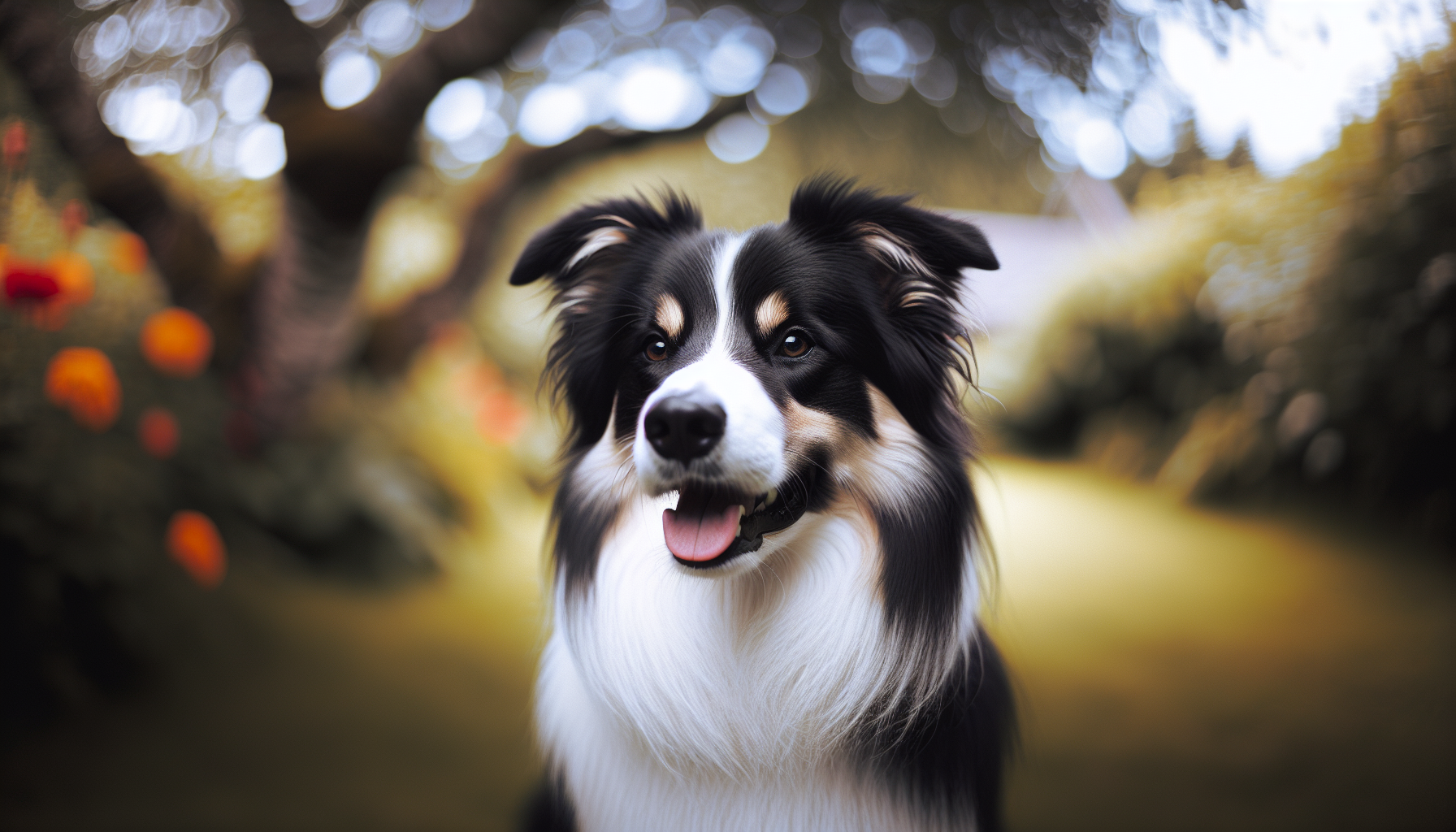
The Border Collie is widely regarded as the most intelligent dog breed on the planet — and living with one is proof that title is well-earned. Bred for centuries to think independently, work tirelessly, and problem-solve on the fly, this is a breed that will challenge, impress, and occasionally exhaust even the most devoted dog owner. If you’re considering bringing a Border Collie into your home, or you already share your life with one, this complete guide covers everything you need to know to help your dog truly thrive.
Breed Overview

Photo by Brian Crisp via Pexels
Before diving deep, here’s a quick-reference snapshot of the Border Collie at a glance. This table gives you the essential facts so you can immediately gauge whether this breed matches your lifestyle.
| Characteristic | Details |
|---|---|
| Origin | Anglo-Scottish border region (UK) |
| Breed Group | Herding Group (AKC) |
| Size | Medium |
| Weight | 30–55 lbs (14–25 kg) |
| Height | 18–22 inches at the shoulder |
| Lifespan | 12–15 years |
| Temperament | Intelligent, energetic, loyal, alert, responsive |
| Energy Level | Extremely High |
| Shedding | Moderate to High |
| Trainability | Exceptionally High |
| Good With Kids | Yes, with supervision and socialization |
| Good With Other Dogs | Generally yes, early socialization recommended |
| Good For First-Time Owners | Not typically recommended |
According to the American Kennel Club, the Border Collie was officially recognized in 1995 and consistently ranks among the most popular herding breeds in the United States.
History & Origin

Photo by Jaime Maldonado on Unsplash
To truly understand the Border Collie, you have to understand where it came from — because this breed wasn’t shaped by parlor rooms or dog shows. It was forged on open hillsides by centuries of demanding work.
The Border Collie’s story begins in the borderlands between England and Scotland — hence the name. The rugged terrain of Northumberland and the Scottish Lowlands demanded a sheepdog unlike any other: one capable of covering vast distances, responding to subtle commands from great distances, and making intelligent, independent decisions when a shepherd was too far away to give direction. Viking settlers are believed to have brought Spitz-type herding dogs to Britain, which were later crossed with local Roman-era herding breeds to produce the early ancestors of what we now call the Border Collie.
The breed’s defining moment came in 1893, when a dog named Old Hemp was born. Bred by Adam Telfer in Northumberland, Old Hemp is considered the founding sire of the modern Border Collie. He was famous for his calm, silent herding style — a stark contrast to the barky, more aggressive approach of dogs of that era. His influence was enormous; he sired over 200 puppies, and virtually every registered Border Collie today can trace its lineage back to him.
For most of the 20th century, Border Collies were registered by working ability rather than physical appearance. The International Sheep Dog Society (ISDS), founded in 1906, maintained the studbook and prized performance above all else. This philosophy — breed for brain, not beauty — is why the Border Collie remains such an exceptionally capable working dog to this day. The AKC’s recognition in 1995 was actually controversial among working dog enthusiasts who feared show-breeding would dilute the breed’s legendary working ability.
Did You Know? Border Collies are the reigning champions of competitive sheepdog trials worldwide. The famous One Man and His Dog television program, which ran for decades in the UK, featured Border Collies almost exclusively and brought the breed to widespread public attention.
Appearance & Size

Border Collies are medium-sized dogs with an athletic, agile build that reflects their working heritage. They’re neither bulky nor fragile — everything about their physical form says “built to move.”
Males typically stand 19–22 inches tall at the shoulder and weigh between 30–55 pounds. Females are slightly smaller, usually 18–21 inches and 27–42 pounds. Despite their moderate size, Border Collies are deceptively powerful dogs with exceptional endurance.
Coat Types
There are two accepted coat varieties:
- Rough coat: Medium to long, with feathering on the legs, chest, and belly. This is the “classic” look most people associate with the breed.
- Smooth coat: Short and coarse all over, with minimal feathering. Just as common in working lines, and requires less grooming maintenance.
Colors & Markings
The Border Collie comes in a surprisingly wide range of colors. While the classic black-and-white is the most iconic, the breed standard recognizes virtually all colors and patterns, including:
- Black and white
- Red (chocolate) and white
- Blue merle
- Red merle
- Sable and white
- Tricolor (black, white, and tan)
- Solid colors (less common)
Distinctive Physical Traits
One of the most recognizable traits of the Border Collie is the stare — an intense, fixed gaze they use to control livestock. Their eyes are typically oval, medium-sized, and set apart. In merle-colored dogs, one or both eyes may be blue (known as “wall eyes”). Their ears are semi-erect or fully erect and highly expressive, constantly moving to track sounds. The overall impression is a dog that is always alert, always thinking, and always watching.
Hertzko Self-Cleaning Slicker Brush
An essential grooming tool for managing a Border Collie’s double coat and reducing shedding between baths
Temperament & Personality

Photo by Jaime Maldonado on Unsplash
If you’re expecting a relaxed, cuddle-first companion, the Border Collie will challenge that expectation — but reward you tenfold if you meet it on its own terms. This is a breed defined by intensity, loyalty, and an almost uncanny level of awareness.
Border Collies are workaholics at heart. They were bred to spend eight or more hours a day working sheep across hillsides, and that drive doesn’t simply disappear because they’re living in a suburban home. Without a meaningful outlet for their energy and intelligence, they become anxious, destructive, and difficult to live with. But given adequate stimulation — mental and physical — they are among the most responsive, attentive, and rewarding dogs you can own.
With Families
Border Collies can be wonderful family dogs, but they’re not naturally suited to the role the way a Golden Retriever or Labrador Retriever might be. Their herding instinct can lead them to chase and nip at running children — this isn’t aggression, it’s instinct, but it can be alarming. Early socialization and teaching the dog to redirect that instinct are crucial. With proper training and a family that understands their needs, Border Collies form deeply loyal, affectionate bonds with their people.
With Other Pets
Most Border Collies get along reasonably well with other dogs, especially when socialized early. They may attempt to “herd” smaller animals, including cats, which can be stressful for those pets. Homes with birds or small caged animals should exercise caution, as the breed’s prey drive — while not extreme — is present.
Sensitivity & Anxiety
This is an emotionally sensitive breed. Border Collies form strong attachments to their primary person and can develop separation anxiety if left alone for long periods. They’re also sensitive to environmental stress — loud noises, chaotic households, or inconsistent routines can all contribute to anxiety-based behaviors. A structured, predictable home life suits them far better than an unpredictable one.
Pro Tip: If you notice your Border Collie crouching low, making intense eye contact, and circling family members or other pets, that’s the famous “herding crouch.” It’s completely natural behavior — redirect it with a fetch game or structured obedience session rather than punishing it.
Training & Intelligence

Photo by Michal Petráš via Pexels
Stanley Coren’s landmark book The Intelligence of Dogs ranked the Border Collie #1 out of 138 breeds for working and obedience intelligence. That ranking has never seriously been challenged. Border Collies are capable of learning a new command in fewer than five repetitions and obey known commands on the first attempt with over 95% reliability — figures that are virtually unmatched in the canine world.
But here’s the nuance that surprises many new owners: highly intelligent does not always mean easy to own. A Border Collie that isn’t mentally challenged will find its own entertainment — and it won’t be entertainment you enjoy. Chewed furniture, escape attempts, obsessive behaviors, and neurotic repetitive actions (like chasing shadows or light reflections) are all signs of a bored, understimulated Border Collie.
Training Methods That Work
- Positive reinforcement: Border Collies respond exceptionally well to reward-based training. They are eager to please and will work hard for praise, play, or treats.
- Consistency: These dogs pick up patterns quickly — including bad habits. Be consistent with rules from day one.
- Mental challenges: Incorporate puzzle feeders, scent work, trick training, and agility into the routine. These dogs need their brains worked as much as their bodies.
- Short, varied sessions: Because they learn so quickly, long repetitive training sessions can bore them. Keep sessions to 10–15 minutes and switch up the content.
Common Training Challenges
Despite their intelligence — or perhaps because of it — Border Collies can be challenging in specific ways:
- Selective hearing: When highly stimulated by something (a bird, a running child, another dog), they can become tunnel-visioned and unresponsive to commands.
- Obsessive fixation: They can develop obsessive fixations on objects or behaviors, like chasing laser pointers or shadows. Avoid activities that reinforce obsessive patterns.
- Overarousal: Their high drive can tip into overexcitement, making calm, focused training difficult without proper impulse control foundations.
For more on training and the importance of early socialization, the principles outlined in our Golden Retriever Socialization guide apply equally well to Border Collies — particularly the emphasis on early, positive exposure to a wide variety of environments, people, and animals.
Exercise & Activity Needs

Photo by Jaime Maldonado on Unsplash
Let’s be direct: the Border Collie has one of the highest exercise requirements of any breed. This is not a dog that will be satisfied with a 20-minute walk around the block. These dogs were engineered to run for miles across open countryside every single day. Matching that need in a domestic setting requires real commitment.
Daily Exercise Requirements
Most adult Border Collies need a minimum of 1.5 to 2 hours of vigorous exercise per day — and that’s a floor, not a ceiling. Ideally, this exercise should be varied, mentally engaging, and not simply repetitive fetch (which can actually reinforce obsessive behaviors in some individuals).
Best Activities for Border Collies
- Agility training: This is arguably the ideal Border Collie sport. It combines physical athleticism with problem-solving and intense handler focus. Border Collies dominate competitive agility worldwide.
- Herding trials: If you have access to sheep herding opportunities, this is their natural calling and an extraordinary outlet for their instincts.
- Flyball: A relay race involving jumps and a ball-releasing box — Border Collies excel and love it.
- Frisbee (disc dog): Their speed, leaping ability, and focus make them exceptional disc dogs.
- Hiking and trail running: Long-distance activities suit their endurance perfectly.
- Obedience and trick training: Counts as mental exercise and helps channel their drive constructively.
- Nose work/scent tracking: An underrated activity for this breed — works the brain intensely without requiring huge physical space.
Important: Mental exercise is not a substitute for physical exercise, and physical exercise alone won’t satisfy a Border Collie. They need both, every single day. A tired Border Collie is a well-behaved Border Collie — a bored one is a nightmare.
Exercise for Puppies
Avoid high-impact, repetitive exercise with puppies under 12–18 months. Their growth plates haven’t closed yet, and overexertion can cause lasting joint damage. Opt for free play, short walks, and mental stimulation until they’re fully grown.
Grooming Requirements

Border Collies are not a high-maintenance breed when it comes to grooming, but they do require consistent attention — especially the rough-coated variety. Their double coat (a soft, dense undercoat beneath a weather-resistant outer coat) sheds year-round, with heavier seasonal shedding in spring and fall.
Brushing
Rough-coated Border Collies should be brushed at least 2–3 times per week to prevent matting, particularly in areas prone to tangles: behind the ears, under the “armpits,” and around the collar. During heavy shedding seasons, daily brushing is ideal.
Smooth-coated Border Collies can get away with once-weekly brushing, though more frequent brushing during shedding season helps significantly with household hair management.
Bathing
Border Collies generally need bathing every 6–8 weeks, or when visibly dirty. Over-bathing can strip the natural oils from their coat and lead to skin dryness. Use a shampoo formulated for double-coated breeds.
Ears
Check and clean ears weekly. Border Collies with semi-erect ears that fold forward can trap moisture and debris, making them susceptible to ear infections. Use a veterinarian-recommended ear cleaner and never insert anything into the ear canal.
Nails
Trim nails every 3–4 weeks. Active dogs that run on hard surfaces may naturally wear their nails down, but indoor or grass-only dogs will need more frequent trimming. Overly long nails can cause discomfort and affect gait.
Teeth
Brush your Border Collie’s teeth at least 2–3 times per week using a dog-specific toothpaste. Dental disease is one of the most common preventable conditions in dogs, according to the American Veterinary Medical Association (AVMA).
Hill’s Science Diet Adult Active Large Breed Dry Dog Food
A high-quality, nutrient-dense formula that supports the exceptional energy demands of an active Border Collie
Health & Lifespan

Photo by Jaime Maldonado on Unsplash
Border Collies are generally a healthy, robust breed with a lifespan of 12–15 years — above average for dogs of their size. However, like all purebred dogs, they are predisposed to certain genetic conditions that every owner should be aware of.
Common Health Conditions
1. Hip Dysplasia
A developmental condition where the hip joint doesn’t form correctly, leading to arthritis and pain. According to the VCA Animal Hospitals, hip dysplasia is one of the most common skeletal conditions in dogs. Responsible breeders health-test breeding stock for this condition through OFA (Orthopedic Foundation for Animals) certification.
2. Collie Eye Anomaly (CEA)
A hereditary condition affecting the development of the eye and potentially causing vision impairment or blindness. A DNA test is available, and reputable breeders screen for it. Dogs with CEA can live full, happy lives, but severely affected individuals may experience significant vision loss.
3. Progressive Retinal Atrophy (PRA)
A group of degenerative eye diseases that eventually cause blindness. There is currently no cure, but DNA testing can identify carriers and affected dogs. Breeders can make informed breeding decisions to reduce prevalence. Research published on PubMed has identified specific genetic mutations associated with PRA in Border Collies.
4. Epilepsy
Border Collies have a known higher-than-average prevalence of idiopathic epilepsy (seizures with no identifiable underlying cause). It typically presents between 1–5 years of age and can often be managed with medication, though it requires lifelong veterinary care.
5. Trapped Neutrophil Syndrome (TNS)
A rare but serious inherited immune deficiency condition specific to Border Collies. Affected puppies cannot properly fight infection and typically die young. DNA testing is available, and responsible breeders should test for it.
6. MDR1 Gene Mutation
Also known as the ABCB1 gene mutation, this makes affected dogs hypersensitive to certain common drugs, including some antiparasitic medications (like ivermectin at high doses) and some anesthetic agents. Testing for this mutation before administering certain medications can be life-saving.
7. Obesity
While Border Collies are active dogs, they can gain weight if not properly exercised or if overfed — especially as they age. Obesity significantly worsens joint conditions and reduces overall lifespan.
Recommended Health Screenings
The AKC and Border Collie Society of America recommend health testing for:
- Hip dysplasia (OFA radiograph)
- Collie Eye Anomaly (DNA test)
- Progressive Retinal Atrophy (DNA test)
- Trapped Neutrophil Syndrome (DNA test)
- MDR1/ABCB1 mutation (DNA test)
Vet Visit Schedule
Puppies require more frequent visits for vaccines, deworming, and wellness checks — typically every 3–4 weeks until 16 weeks of age. Adult Border Collies should receive a comprehensive wellness exam annually. Dogs over 8 years old benefit from biannual checkups to catch age-related conditions early.
Nutrition & Feeding

Photo by Elina Volkova via Pexels
A Border Collie that’s working or competing athletically has significantly different caloric needs than a pet dog with a more modest activity level. Getting nutrition right is essential for maintaining healthy weight, supporting joint health, and fueling their demanding lifestyle.
Daily Caloric Needs
Most adult Border Collies require between 900–1,400 calories per day, depending on size, age, activity level, and whether they’re spayed/neutered. Highly active working or agility dogs may need significantly more. Always consult your veterinarian for personalized feeding recommendations.
What to Look for in a Food
- High-quality animal protein as the first ingredient: Chicken, beef, salmon, or turkey. Protein supports lean muscle mass and recovery from exercise.
- Healthy fats: Omega-3 fatty acids (from fish oil or flaxseed) support coat health, joint function, and cognitive health.
- Glucosamine and chondroitin: Especially important for active dogs prone to joint issues. Many premium large-breed or active-formula foods include these.
- Appropriate carbohydrate sources: Brown rice, sweet potato, and oats are more digestible and nutrient-dense than corn or wheat fillers.
Feeding Schedule
Adult Border Collies generally do best with two meals per day — morning and evening. Free-feeding (leaving food out all day) is not recommended, as it makes portion control difficult and can contribute to bloating, though Border Collies are at lower risk for GDV (bloat) than deep-chested breeds like the Great Dane.
Puppies
Border Collie puppies (under 12 months) should be fed a high-quality puppy formula appropriate for medium-breed dogs, divided into 3 meals per day until 6 months, then transitioning to 2 meals per day. Avoid large-breed formulas designed for giant breeds, as the nutrient ratios are not appropriate.
Common Food Sensitivities
Some Border Collies show sensitivity to grain-heavy diets or specific protein sources. Signs of food sensitivity include chronic ear infections, itchy skin, digestive upset, or poor coat condition. If you suspect a sensitivity, consult your vet about a dietary elimination trial.
Avoid These: Never feed your Border Collie grapes, raisins, xylitol (found in sugar-free products), onions, garlic, macadamia nuts, or chocolate. These are all toxic to dogs and can cause serious harm. For a full list of toxic foods, visit the AVMA’s pet safety resource page.
Is a Border Collie Right for You?

Photo by Jaime Maldonado on Unsplash
This is perhaps the most important section of this entire guide. Border Collies are placed in shelters and rescue organizations at a heartbreaking rate — not because they’re bad dogs, but because they were placed in the wrong homes. Be honest with yourself about what this breed truly needs.
Border Collies Thrive With:
- Active owners who exercise daily and enjoy outdoor activities
- Experienced dog owners comfortable with high-drive, thinking breeds
- Families with older children (8+) who can engage with the dog appropriately
- Owners willing to invest time in training — not just obedience, but ongoing enrichment
- People who want a deeply bonded, communicative, almost “telepathic” canine partner
- Owners interested in dog sports — agility, flyball, herding, disc dog
- Rural or suburban homes with access to outdoor space
Border Collies Are NOT a Good Fit For:
- First-time dog owners without an experienced support system or trainer
- Busy people who work long hours and leave dogs alone for extended periods
- Apartment dwellers without consistent access to large exercise spaces
- Families with very young children (toddlers) who may be herded or nipped
- Owners looking for a calm, low-key companion dog
- Anyone who can’t commit to 1.5–2 hours of daily active engagement
Honest Pros & Cons
| Pros | Cons |
|---|---|
| Extraordinarily intelligent and trainable | Intelligence requires constant mental stimulation |
| Deeply loyal and bonded to family | Can develop separation anxiety |
| Excels at virtually any dog sport | Extremely high exercise requirements |
| Generally healthy, long lifespan | Multiple genetic health conditions to screen for |
| Responsive, communicative, attentive | Can develop obsessive behaviors if bored |
| Versatile working and companion dog | Herding instinct can cause problems with kids/cats |
| Moderate grooming needs | Moderate to heavy shedding year-round |
If you’re comparing breeds and wondering whether a Border Collie or a more laid-back breed might suit your family better, it’s worth reviewing guides for other highly trainable but somewhat less demanding breeds, like the German Shepherd or the Poodle — both of which share the Border Collie’s intelligence but may be slightly better suited to family life in certain situations.
Rescue Note: If you’re considering adopting a Border Collie, reach out to the Border Collie Society of America Rescue or regional Border Collie rescue organizations. Many wonderful adult dogs need homes, and rescue organizations can often help match you with a dog whose energy level and temperament align with your lifestyle.
Frequently Asked Questions
Are Border Collies good family pets?
Border Collies can absolutely be wonderful family pets — but they’re not effortlessly so. They do best in active families with older children who understand how to interact with dogs respectfully. Their herding instinct means they may chase or nip at toddlers during play, which requires consistent management and training. With proper socialization, structure, and plenty of exercise, Border Collies are loyal, affectionate, and deeply engaged family members. They are not, however, the easy-going family dog that breeds like the Golden Retriever or Labrador Retriever tend to be by default.
How much exercise does a Border Collie need every day?
Adult Border Collies need a minimum of 1.5 to 2 hours of vigorous, varied exercise daily. This should include more than just walking — running, agility, fetch, hiking, or structured training sessions all count. Crucially, mental stimulation is equally important. A dog that gets two hours of physical exercise but no mental engagement will still show problem behaviors. Puppies under 18 months should have restricted high-impact exercise to protect developing joints, focusing instead on play, short walks, and brain games.
Do Border Collies shed a lot?
Yes — Border Collies are moderate to heavy shedders, particularly the rough-coated variety. They shed year-round, with more intense seasonal blowing of their undercoat in spring and fall. Regular brushing (2–3 times weekly for rough coats, weekly for smooth coats) significantly reduces the amount of hair in your home. Investing in a good de-shedding brush and a quality vacuum with pet hair attachments is strongly recommended. If shedding is a major concern, the smooth-coated variety or a different breed entirely may be worth considering.
Are Border Collies suitable for apartment living?
Technically possible, but genuinely difficult. Border Collies can adapt to apartment life only if their owners are extraordinarily committed to meeting their exercise needs outside the home — multiple daily outings totaling 1.5–2+ hours, access to off-leash areas, and consistent mental stimulation. An under-exercised Border Collie in a small space will almost certainly develop destructive or neurotic behaviors. Most experts, including the AKC, recommend that Border Collies have access to a securely fenced yard as a minimum. They are not well-suited to urban apartment life without exceptional commitment from their owner.
What is the most common health problem in Border Collies?
The most frequently encountered health issues in Border Collies include hip dysplasia, epilepsy, and inherited eye conditions such as Collie Eye Anomaly (CEA) and Progressive Retinal Atrophy (PRA). The MDR1/ABCB1 gene mutation, which causes sensitivity to certain common medications, is also worth testing for early — before any veterinary procedures requiring those drugs. Responsible breeders test for all of these conditions and provide health certifications. When purchasing a Border Collie puppy, always ask to see the health test results for both parents. For detailed information on these conditions, resources from VCA Animal Hospitals and the Cornell University College of Veterinary Medicine are excellent starting points.
