The Complete Poodle Guide: Temperament, Care, Health & More
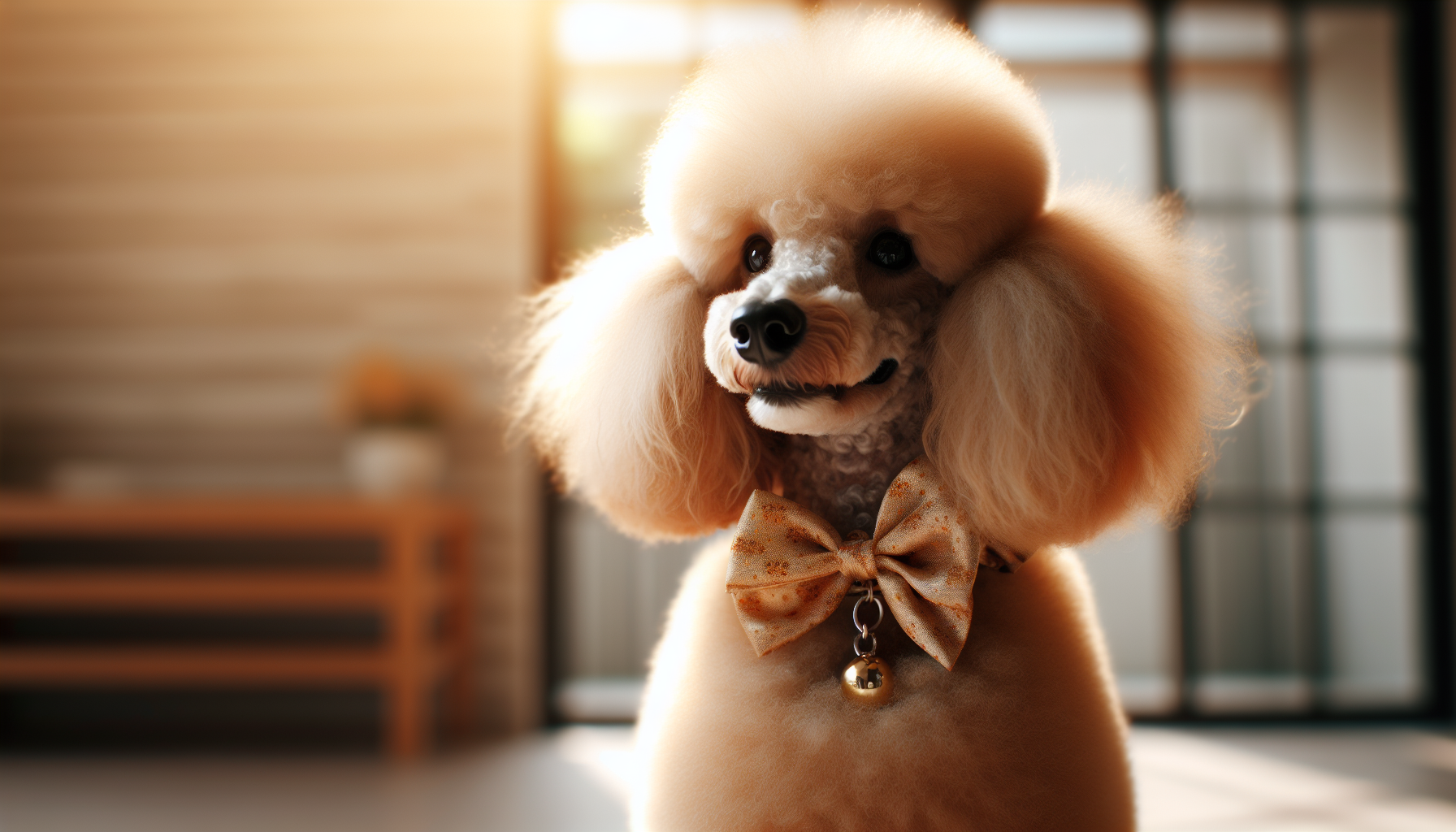
The Poodle is one of the most recognizable, intelligent, and versatile dog breeds in the world — and yet, it’s also one of the most misunderstood. Strip away the fancy show clips and the reputation for pampered elegance, and you’ll find an athletic, sharp-minded, deeply loyal companion that consistently ranks among the top family dogs in the United States. Whether you’re considering a Standard, Miniature, or Toy Poodle, this guide covers everything you need to make an informed decision and give your dog the best possible life.
Breed Overview

Photo by JacLou- DL via Pexels
Before we dive deep, here’s a quick-reference snapshot of the Poodle breed across its three size varieties.
| Characteristic | Standard Poodle | Miniature Poodle | Toy Poodle |
|---|---|---|---|
| Origin | Germany / France | ||
| Height | Over 15 inches | 10–15 inches | Up to 10 inches |
| Weight | 40–70 lbs | 10–15 lbs | 4–6 lbs |
| Lifespan | 10–18 years | 10–18 years | 10–18 years |
| Temperament | Intelligent, loyal, playful, eager to please | ||
| Energy Level | High | Moderate–High | Moderate |
| Shedding | Very low (nearly hypoallergenic) | ||
| Trainability | Exceptional — ranks #2 most intelligent breed | ||
| Good With Kids | Excellent | Very Good | Good (best with older children) |
| Good With Other Dogs | Generally very good with proper socialization | ||
| AKC Group | Non-Sporting (Standard & Miniature) / Toy (Toy Poodle) | ||
History & Origin

Photo by Kevin Duong on Unsplash
Despite being France’s national dog — and deeply associated with Parisian chic — the Poodle actually originated in Germany, where it was bred as a water retriever. The name itself comes from the German word Pudel, derived from Pudelin, meaning “to splash in water.” These dogs were working retrievers, bred to fetch waterfowl for hunters in lakes and marshes.
That distinctive, seemingly frivolous haircut? It was entirely functional. Hunters would shave the hindquarters to reduce drag in the water while leaving pom-poms of fur over the joints and vital organs to protect them from the cold. The breed’s intelligence and biddability made it an instant favorite among European nobility, particularly in France, where it was refined and elevated to the status of a companion dog and circus performer.
By the 15th and 16th centuries, Poodles had become status symbols among the French aristocracy. They were later developed into smaller varieties — the Miniature and eventually the Toy Poodle — to suit life in smaller homes and as lapdogs for the upper class. The American Kennel Club officially recognized the Standard Poodle in 1887 and the Toy Poodle in 1943.
In the 20th century, the Poodle’s intelligence and low-shedding coat made it the foundation for a wave of designer hybrid breeds — the Labradoodle, Goldendoodle, Cockapoo, and dozens more — all attempting to capture that brilliant, allergy-friendly coat in a new package. That legacy alone speaks to just how extraordinary the breed truly is.
Appearance & Size

Photo by Alexas Fotos via Pexels
The Poodle comes in three officially recognized sizes — Standard, Miniature, and Toy — and more recently a fourth unofficial size, the Moyen (or Medium) Poodle, which is recognized in some European countries but not by the AKC. All three sizes share the same breed standard in terms of proportions, head shape, and coat type — they are essentially the same dog in different packages.
The Coat
The Poodle’s coat is its most defining physical feature. It is dense, curly, and single-layered, which means it doesn’t shed the way most dogs do. Instead of falling out onto your furniture, dead hair becomes caught in the curls — which is why Poodles require regular grooming to prevent matting, but are considered one of the best breeds for people with dog allergies.
It’s worth noting that no dog is truly 100% hypoallergenic. Allergic reactions in people are typically triggered by the protein Can f 1 found in dog saliva and dander — not just fur. However, Poodles do produce significantly less dander and shed far less than most breeds, making them far more tolerable for allergy sufferers. The American Veterinary Medical Association notes that while no breed is completely allergen-free, low-shedding breeds can reduce exposure.
Coat Colors
Poodles come in a stunning range of solid colors recognized by the AKC, including:
- Black
- White
- Apricot
- Red
- Silver
- Blue (a diluted black)
- Brown (chocolate)
- Cream
- Silver Beige
- Café au Lait
Parti-colored (two-tone) Poodles exist and are popular in pet circles, though they are not accepted in AKC conformation shows.
Physical Traits
Beyond the coat, Poodles have a distinctly elegant, square-proportioned build. They have long, straight muzzles, dark oval eyes full of intelligence, and ears that hang close to the head. Their bodies are athletic and well-muscled — Standard Poodles in particular are surprisingly powerful dogs capable of sustained physical work.
Temperament & Personality

Photo by Kaleb Simanton on Unsplash
If you’ve never lived with a Poodle, it can be hard to convey just how present this breed is. Poodles are not background dogs. They are deeply engaged with their people, remarkably tuned into human emotion, and genuinely funny — many Poodle owners describe their dogs as having a well-developed sense of humor.
The breed is known for being:
- Highly affectionate: Poodles bond closely with their families and thrive on human companionship. They do not do well when left alone for extended periods and can develop separation anxiety.
- Playful and energetic: This is not a sedentary breed. Poodles retain a puppy-like enthusiasm for play well into adulthood.
- Alert and responsive: Standard Poodles in particular can make excellent watchdogs — they notice everything and will alert you to strangers. They are not, however, aggressive guard dogs.
- Sensitive: Poodles are emotionally attuned dogs. Harsh training methods or a chaotic home environment can cause anxiety and stress. They respond best to calm, consistent, positive guidance.
- Sometimes aloof with strangers: While generally sociable, Poodles can take a moment to warm up to new people. Early socialization is important.
Toy Poodles tend to be slightly more attached to one person and can be a bit more anxious, while Standard Poodles are often described as the most stable-tempered of the three sizes. Miniature Poodles fall in between — highly adaptable and slightly more independent than Toys.
The Poodle is an excellent family dog. Like Labrador Retrievers and Golden Retrievers, Poodles are widely regarded as among the best breeds for households with children — patient, playful, and gentle when properly socialized.
Training & Intelligence

Photo by JacLou- DL via Pexels
Training a Poodle is genuinely one of the great pleasures of dog ownership. These dogs live to learn. They pick up commands with astonishing speed, retain what they’ve been taught, and actively enjoy the mental stimulation that training provides. According to Stanley Coren’s landmark research on canine intelligence, Standard Poodles understand new commands after fewer than five repetitions and comply on the first command 95% or more of the time — a benchmark very few breeds achieve.
Best Training Methods
Poodles respond overwhelmingly well to positive reinforcement — reward-based training using treats, praise, and play. Because they are sensitive dogs, punishment-based methods can backfire, causing avoidance behavior, anxiety, or a shutdown in engagement. Keep sessions:
- Short and varied: 10–15 minutes at a time. Poodles get bored with repetition — keep things fresh.
- Positive and upbeat: Your energy matters. Enthusiasm is contagious with this breed.
- Mentally challenging: Move through basic commands quickly and advance to tricks, agility, nose work, and more complex tasks.
Potential Training Challenges
The very intelligence that makes Poodles easy to train can also make them selective. A Poodle who figures out they can manipulate a situation will absolutely try. Without firm, consistent boundaries, they can become willful or demanding — particularly Toy Poodles, who are sometimes allowed to get away with behavior that a larger dog never would. This is sometimes called “Small Dog Syndrome” and it’s a training failure, not a breed characteristic.
Housetraining is typically straightforward with Poodles, though Toy Poodles can be a bit more challenging due to their small bladders. Crate training is highly recommended for all size varieties.
Exercise & Activity Needs

Photo by Thea Harrison on Unsplash
The Poodle’s origins as a working retriever mean this is a dog with genuine athletic ability and a real need for daily exercise. Many people underestimate this, expecting a lapdog and getting a dog that bounces off the walls.
Daily Exercise Requirements by Size
- Standard Poodle: 60+ minutes of vigorous exercise per day. Excellent jogging partners, swimmers, and agility dogs.
- Miniature Poodle: 30–45 minutes of active exercise daily. Highly adaptable to apartment living if properly exercised.
- Toy Poodle: 20–30 minutes of daily exercise, but don’t let the small size fool you — they still need mental stimulation and physical activity.
Best Activities for Poodles
Poodles excel at a wide variety of activities beyond basic walks:
- Swimming: They were born for it. Most Poodles are natural, enthusiastic swimmers.
- Agility: One of the top agility breeds in competition worldwide.
- Obedience trials: Poodles are perennial top finishers in AKC obedience competitions.
- Fetch and retrieving games: Deeply satisfying for the breed’s working instincts.
- Nose work and tracking: Excellent mental exercise that taps into their hunting heritage.
- Therapy work: Their sensitivity and intelligence make them outstanding therapy and emotional support animals.
Mental exercise is just as important as physical for this breed. A Poodle left without mental stimulation will find its own entertainment — and you probably won’t like what it chooses. Puzzle toys, interactive feeders, training sessions, and scent games are all excellent tools.
Grooming Requirements

Photo by Efrem Efre via Pexels
Let’s be honest: Poodle grooming is a real commitment. That beautiful, low-shedding coat doesn’t maintain itself, and neglecting it leads to painful matting that can require shaving down to the skin. However, with a consistent routine, grooming becomes manageable — even enjoyable for both dog and owner.
Coat Maintenance
Poodle coats should be brushed at least 3–4 times per week to prevent mats from forming at the root. Daily brushing is ideal. The coat grows continuously, like human hair, and requires professional grooming or owner clipping every 6–8 weeks.
There are several popular Poodle clips:
- Puppy clip: Even all over, practical, and easy to maintain. Most pet owners choose this.
- Continental clip: The classic show clip with shaved hindquarters and round pom-poms. Requires significant maintenance.
- Sporting clip: Shorter all over with a slightly longer top-knot. Practical for active dogs.
- Lamb clip: Even length all over, soft and fluffy in appearance. Very popular with pet owners.
Slicker Brush for Poodle Coats
A high-quality slicker brush is essential for detangling Poodle curls and preventing painful mats between grooming appointments.
Bathing
Bathe your Poodle every 3–4 weeks, or more frequently if they’re particularly active outdoors. Always brush thoroughly before bathing — wet mats tighten and become far harder to remove. Use a gentle, pH-balanced dog shampoo formulated for sensitive skin.
Ear Care
This is a non-negotiable part of Poodle ownership. Poodles have floppy ears and hair that grows inside the ear canal, creating a warm, moist environment ideal for bacterial and yeast infections. Check and clean ears weekly and pluck ear canal hair as needed (your groomer can do this). Signs of infection include redness, odor, head shaking, or scratching at the ears. According to VCA Animal Hospitals, ear infections are among the most common reasons dogs visit the vet — and Poodles are particularly susceptible.
Nail Trimming & Dental Care
Nails should be trimmed every 3–4 weeks. Poodles are often sensitive about having their paws handled, so start desensitizing them to nail trims as early as possible. Dental hygiene matters significantly: brush teeth at least 2–3 times per week, ideally daily, to prevent the periodontal disease that affects many small breeds — particularly Toy and Miniature Poodles.
Health & Lifespan

Photo by Alfred Lee on Unsplash
Poodles are generally a healthy, long-lived breed. With proper care, Standard Poodles commonly live 12–15 years, while Miniature and Toy Poodles frequently reach 15–18 years — exceptional even by small-breed standards. However, like all purebred dogs, they carry genetic predispositions to certain conditions that every owner should know.
Common Health Conditions in Poodles
Hip Dysplasia
A hereditary condition in which the hip joint doesn’t develop properly, leading to pain and arthritis. More common in Standard Poodles than smaller varieties. Reputable breeders screen breeding stock through the Orthopedic Foundation for Animals (OFA).
Progressive Retinal Atrophy (PRA)
A group of genetic diseases causing gradual deterioration of the retina, eventually leading to blindness. There is no cure, but DNA testing allows breeders to avoid producing affected puppies. Always ask breeders for PRA test results.
Sebaceous Adenitis
An inflammatory skin condition that destroys the sebaceous glands, leading to scaling, hair loss, and skin infections. More common in Standard Poodles. Management includes medicated shampoos and omega fatty acid supplementation. Research published in veterinary dermatology literature, including work referenced on PubMed, highlights this as a breed-specific concern worth monitoring.
Addison’s Disease (Hypoadrenocorticism)
Poodles are significantly overrepresented among dogs diagnosed with Addison’s disease, a condition in which the adrenal glands fail to produce sufficient hormones. Symptoms can be vague and episodic — vomiting, lethargy, shaking — but a severe “Addisonian crisis” can be life-threatening. With diagnosis and treatment (monthly injections or daily medication), most dogs live normal, healthy lives.
Bloat (Gastric Dilatation-Volvulus)
Standard Poodles, like all deep-chested breeds, are at elevated risk for bloat — a life-threatening condition in which the stomach fills with gas and twists. It is a veterinary emergency. Feeding smaller meals twice daily (rather than one large meal), using a slow-feeder bowl, and avoiding vigorous exercise immediately after eating reduces risk. Some owners opt for prophylactic gastropexy surgery.
Epilepsy
Idiopathic epilepsy has a hereditary component in Poodles. Seizures typically begin between 1 and 5 years of age. Many epileptic Poodles can be well-managed with medication and live comfortable lives.
Dental Disease
Particularly relevant in Toy and Miniature Poodles, who are prone to overcrowded teeth and periodontal disease. Regular dental care is essential.
Nutrition & Feeding

Photo by JacLou- DL via Pexels
Poodles do well on a high-quality commercial diet formulated for their life stage and size. The nutritional needs of a Standard Poodle differ meaningfully from those of a Toy Poodle, so always choose a food appropriate for your dog’s size.
General Feeding Guidelines
- Standard Poodle: Approximately 2.5–3.5 cups of high-quality dry kibble per day, split into two meals.
- Miniature Poodle: Approximately 1–1.5 cups per day, split into two meals.
- Toy Poodle: Approximately 0.5–1 cup per day, split into two or three small meals.
These are starting guidelines — actual portions depend on the specific food’s calorie density, your dog’s activity level, age, and metabolism. Always follow the manufacturer’s feeding chart and consult your veterinarian.
Key Nutritional Considerations
- Protein quality: Look for named animal proteins (chicken, salmon, turkey) as the first ingredient. Poodles thrive on protein-rich diets that support muscle maintenance and coat health.
- Omega fatty acids: Particularly important for Poodles prone to sebaceous adenitis and skin sensitivities. Look for foods containing fish oil or flaxseed, or supplement separately.
- Joint support: Standard Poodles benefit from foods containing glucosamine and chondroitin, particularly as they age.
- Dental health: Crunchy kibble (for smaller varieties especially) can help reduce tartar buildup, though it’s not a substitute for regular tooth brushing.
Food Sensitivities
Some Poodles develop food sensitivities or allergies, often presenting as chronic ear infections, itchy skin, or digestive upset. Common culprits include chicken, beef, wheat, and soy. If you suspect a food sensitivity, work with your vet to conduct a proper elimination diet trial before switching foods multiple times.
High-Quality Protein Dog Food for Poodles
A protein-rich, omega-3-fortified formula supports the Poodle’s curly coat, sensitive skin, and active metabolism.
Is a Poodle Right for You?

Photo by Gary Samaha on Unsplash
Poodles are extraordinary dogs — but they’re not the right fit for everyone. Here’s an honest look at what ownership really involves.
Pros of Owning a Poodle
- Exceptionally intelligent and trainable — one of the most rewarding breeds to work with
- Low-shedding coat — far better for allergy sufferers than most breeds
- Adaptable: Standard Poodles can handle country life; Miniatures and Toys thrive in apartments
- Long lifespan — particularly Miniature and Toy varieties
- Versatile: Excels in agility, obedience, therapy work, retrieving, and more
- Genuinely family-friendly — patient and playful with children when properly socialized, similar in disposition to breeds like the Golden Retriever
- Non-aggressive by nature
Cons of Owning a Poodle
- High grooming requirements — time and financial commitment is real and ongoing
- Can develop separation anxiety — not a breed that does well alone for long stretches
- May be high-energy for some owners — particularly Standard Poodles
- Prone to certain serious health conditions — Addison’s disease, bloat, PRA require vigilance
- Can be sensitive and emotionally demanding — not a “low-maintenance personality” dog
- Some Toy Poodles can be yappy or anxious without proper training and socialization
- Grooming costs add up — professional grooming every 6–8 weeks at $60–$120+ per session
Who Is the Poodle Best Suited For?
The Poodle is ideal for:
- Active individuals or families who want an engaged, interactive companion
- People with mild dog allergies who still want a real dog experience
- First-time dog owners who are committed to training and socialization (the intelligence makes them forgiving of novice mistakes)
- Retirees and seniors, particularly with Miniature or Toy varieties
- People interested in dog sports and performance activities
- Families with children of all ages (Standard and Miniature varieties especially)
The Poodle may not be ideal for:
- People away from home for 8+ hours daily without doggy daycare or a dog walker
- Those unwilling to commit to consistent grooming
- Owners looking for a truly independent, low-need dog
If you’re drawn to smart, friendly, family-oriented breeds, it’s also worth exploring our guides on the Labrador Retriever and the German Shepherd for comparison — each brings a different kind of brilliance and loyalty to the family dynamic.
Frequently Asked Questions
Are Poodles really hypoallergenic?
Poodles are often described as hypoallergenic, but no dog breed is 100% allergen-free. The protein that triggers most dog allergies (Can f 1) is found in saliva and dander, not just fur. However, because Poodles shed minimally and produce less airborne dander than heavy-shedding breeds, they are significantly more tolerable for allergy sufferers. Many people with dog allergies can live comfortably with a Poodle. If allergies are a serious concern, spend time with the specific dog before committing.
Which Poodle size is the best for families with kids?
Standard Poodles are generally considered the best option for families with young children. They are large enough to handle the energy of boisterous kids, temperamentally stable, and not easily injured. Miniature Poodles are also excellent family dogs. Toy Poodles can do well with older, more gentle children, but their small size makes them vulnerable to accidental injury by very young kids who may handle them roughly. Regardless of size, supervision and early socialization are always important.
How often does a Poodle need to be groomed?
Poodle coats require brushing at least 3–4 times per week at home to prevent matting, and a full professional groom (bath, clip, ear clean, nail trim) every 6–8 weeks. If you allow the coat to grow longer, brushing frequency increases. Ears should be checked and cleaned weekly. Neglecting the coat even for a few weeks can result in severe matting that requires shaving the dog entirely under veterinary sedation — a painful and stressful experience for the dog. Consistent maintenance is the kindest approach.
Do Poodles bark a lot?
Poodles are alert, observant dogs and will bark to notify you of something unusual — a stranger at the door, an unfamiliar noise, or a change in their environment. They are not typically excessive, nuisance barkers when properly exercised and mentally stimulated. Toy Poodles can be slightly more vocal than larger varieties. Boredom and under-stimulation are the most common causes of problem barking in any Poodle. Consistent training from puppyhood and meeting the breed’s mental and physical exercise needs go a long way toward preventing excessive barking.
What is the difference between a purebred Poodle and a Doodle mix?
A purebred Poodle has two Poodle parents and adheres to a predictable breed standard in terms of temperament, coat type, health screening, and physical traits. Doodle mixes (Labradoodles, Goldendoodles, etc.) cross a Poodle with another breed in the hope of combining the Poodle’s low-shedding coat with the other breed’s traits. However, mixed-breed genetics are unpredictable — not all Doodles inherit the Poodle’s coat, and the health testing standards practiced by responsible purebred Poodle breeders are often not applied to designer hybrid breeding. If a low-shedding coat is your primary motivation, a purebred Poodle delivers that trait reliably.
