The Complete Yorkshire Terrier Guide: Temperament, Care, Health & More

The Yorkshire Terrier may be small enough to fit in a handbag, but don’t let that fool you — this is one of the most spirited, tenacious, and deeply loyal breeds in the dog world. Originally bred to hunt rats in English mills, the Yorkie has reinvented itself as a beloved companion dog while keeping every ounce of that feisty terrier soul. Whether you’re already a Yorkie owner or seriously considering becoming one, this guide covers everything you need to know about the breed — honestly, thoroughly, and without the fluff.
Breed Overview

Photo by Dmytro Glazunov via Pexels
Before diving deep, here’s a quick-reference snapshot of the Yorkshire Terrier breed at a glance. These key stats are sourced from the American Kennel Club (AKC) and reflect general breed standards.
| Characteristic | Details |
|---|---|
| Origin | England (Yorkshire region) |
| Breed Group | Toy Group (AKC) |
| Size | Small |
| Weight | Up to 7 pounds (3.2 kg) |
| Height | 7–8 inches at the shoulder |
| Lifespan | 13–16 years |
| Temperament | Bold, confident, affectionate, curious |
| Energy Level | Moderate to high |
| Shedding | Very low (considered hypoallergenic) |
| Trainability | Moderate — intelligent but stubborn |
| Good With Kids | Older children; not ideal for toddlers |
| Good With Other Dogs | Can be, with proper socialization |
| Apartment Friendly | Yes — excellent apartment dog |
History & Origin

Photo by Mateusz Wysocki on Unsplash
The Yorkshire Terrier’s story begins not in the drawing rooms of the wealthy, but in the grimy textile mills and coal mines of 19th-century northern England. During the Industrial Revolution, Scottish workers migrated to Yorkshire carrying their small terrier dogs with them — breeds including the Clydesdale Terrier (now extinct), the Paisley Terrier, and possibly the Skye Terrier. These dogs were crossed with local working terriers to create a small but ferocious ratter capable of flushing out rodents from tight spaces in mills and mineshafts.
The breed was first exhibited in 1861 under the name “Broken-haired Scotch Terrier.” It wasn’t until 1870 that a reporter named Angus Sutherland suggested the name “Yorkshire Terrier” should be applied to the breed, acknowledging that its refinement had taken place primarily in Yorkshire. The AKC officially recognized the Yorkshire Terrier in 1885, and by the late Victorian era, the breed had transitioned dramatically — from working-class ratter to fashionable companion of high society ladies. That duality of gritty working dog and glamorous lapdog companion defines the Yorkie to this day.
One famous Yorkie worth mentioning is Smoky, a four-pound dog who served as a war dog during World War II in the Pacific theater, reportedly warning soldiers of incoming fire and threading communication wire through pipes too small for humans — a testament to the breed’s intelligence and fearlessness.
Appearance & Size
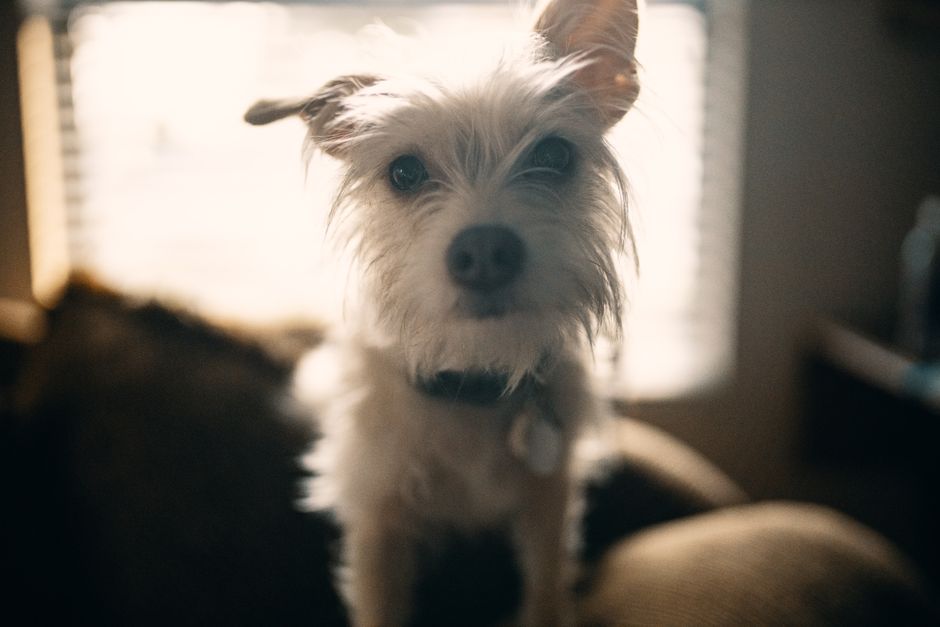
Photo by Josh Sorenson via Pexels
The Yorkshire Terrier is a compact, well-proportioned toy breed with a surprisingly bold physical presence for its size. Adults typically weigh no more than 7 pounds under the AKC breed standard, though many pet-quality Yorkies are somewhat larger, ranging from 8–12 pounds — still undeniably small dogs.
The Coat
The Yorkie’s coat is its most iconic feature. According to the AKC breed standard, the coat is “glossy, fine and silky in texture” — more closely resembling human hair than typical dog fur. This is the reason Yorkies are widely regarded as a low-shedding, hypoallergenic-friendly breed. The hair grows continuously (it doesn’t shed in seasonal cycles the way double-coated breeds do), which means it requires regular trimming and maintenance to prevent tangling and matting.
In terms of color, show Yorkies display a very specific pattern: a blue (steel blue, not silver-blue) saddle on the body from the back of the neck to the tail, with a rich tan on the head, chest, and legs. Puppies are born black and tan and gradually develop their adult coloration over the first two years of life. Some Yorkies carry the “parti” gene and display white, black, and gold coloration — these are sometimes called “Parti Yorkies” and are recognized by the AKC as a color variant.
Physical Features
Beyond the coat, Yorkies have a small, flat head, a medium-length muzzle, and bright, dark eyes full of expression and intelligence. Their ears are small, V-shaped, and erect — always alert. The body is compact and well-knit, with a level topline when the dog is standing. The tail is typically docked in countries where this practice is permitted, though in many parts of Europe, natural tails are now the norm.
What About “Teacup” Yorkies? You may see breeders advertising “Teacup” or “Micro” Yorkies weighing 2–4 pounds. These are not a separate breed or recognized variety — they are undersized Yorkshire Terriers, often the result of breeding runts together. Extremely small Yorkies carry higher risks of hypoglycemia, heart defects, fragile bones, and shortened lifespans. Reputable breeders do not intentionally breed for teacup size.
Temperament & Personality

Photo by Igor Lifar on Unsplash
Ask any Yorkie owner what surprises them most about the breed, and they’ll almost certainly say: “I didn’t realize how much personality was packed into such a tiny dog.” The Yorkshire Terrier is fundamentally a terrier — bold, curious, tenacious, and occasionally bossy. They were bred to think and act independently while hunting, which means they have opinions, and they’re not shy about expressing them.
With Their Families
Yorkies form intensely strong bonds with their people. They are affectionate, love to cuddle, and will often shadow their favorite person from room to room. Many Yorkie owners describe their dog as Velcro-like — always within arm’s reach. This loyalty is one of the breed’s most endearing traits, but it also means Yorkies can be prone to separation anxiety if not properly conditioned to alone time from an early age.
With Strangers
Yorkies tend to be alert and somewhat reserved with strangers, and many are vocal about newcomers entering their space. They make surprisingly effective watchdogs — their small size notwithstanding, they will alert bark without hesitation. Early socialization is critical to prevent excessive fearfulness or aggression toward unfamiliar people.
With Children and Other Pets
Due to their small and fragile build, Yorkies are generally better suited to homes with older, calmer children who understand how to handle small dogs gently. Toddlers and very young children can accidentally injure a Yorkie simply through rough handling or dropping. With older kids who are respectful, Yorkies can be wonderful playmates.
With other dogs, Yorkies have a classic “small dog doesn’t know it’s small” personality. They will often challenge much larger dogs with complete confidence, which can get them into trouble. Early socialization with other animals helps significantly. Many Yorkies coexist happily with cats, especially when raised together.
Training & Intelligence

Photo by Dmytro Glazunov via Pexels
Yorkshire Terriers are intelligent dogs — there’s no question about that. The challenge is that their intelligence comes packaged with a strong independent streak and a “what’s in it for me?” attitude that is thoroughly terrier in nature. They are not instinctively biddable the way a Labrador Retriever or Golden Retriever tends to be. This doesn’t mean they can’t be trained — it means you need to be patient, consistent, and creative.
Positive Reinforcement Is Essential
Yorkies respond extremely well to reward-based training using high-value treats and enthusiastic praise. Harsh corrections or punishment-based methods will cause a Yorkie to shut down, become fearful, or simply dig in their heels and refuse to cooperate. Keep sessions short — 5 to 10 minutes maximum — because their attention span, while sharp, is also easily bored.
Housetraining Challenges
Housetraining is widely considered the most difficult aspect of owning a Yorkshire Terrier. This is partly physiological — small dogs have small bladders and higher metabolisms, requiring more frequent bathroom trips — and partly attitudinal. Many Yorkies resist outdoor toileting in cold or wet weather, making consistent crate training and a strict schedule absolutely essential from day one. Some owners successfully use indoor pee pads as an alternative, particularly in colder climates or apartment settings.
Barking
Yorkies can develop excessive barking habits if not taught early that quiet behavior is rewarded. “Quiet” should be one of the first commands you teach. Consistent management and training can reduce nuisance barking significantly, but you should accept that a Yorkie will always alert you to things happening in its environment.
Training Tip: Enroll your Yorkie in a puppy kindergarten class as soon as vaccinations are complete. Group classes expose them to other dogs and people in a controlled setting, addressing two challenges — socialization and basic obedience — simultaneously.
Exercise & Activity Needs

Despite their toy classification, Yorkshire Terriers have genuine energy to burn. They are not content to simply sit in a lap all day (though they enjoy plenty of that too). A Yorkie that doesn’t get adequate physical and mental stimulation will often find its own entertainment — typically in the form of destructive chewing, excessive barking, or relentless pestering of other household members.
Daily Exercise Requirements
Most healthy adult Yorkies need approximately 30 minutes of exercise per day, which can be broken into two or three shorter walks or play sessions. A brisk 15-minute walk in the morning and another in the evening, supplemented by indoor play, is typically sufficient. Their small legs cover ground quickly — a moderate human walking pace is a real workout for a Yorkie.
Best Activities for Yorkies
- Leash walks — Daily walks provide physical exercise and vital mental stimulation through new smells and sights
- Indoor fetch — Perfect for apartment living or bad weather days
- Puzzle toys and interactive feeders — Excellent for mental enrichment
- Agility training — Yorkies genuinely excel at agility and many compete successfully at the sport level
- Trick training — Yorkies enjoy learning tricks when motivated with treats
Avoid off-leash exercise in unfenced areas. Yorkies have a strong prey drive and will bolt after a squirrel or small animal with no warning whatsoever — and their speed relative to a human’s ability to catch them is surprisingly impressive.
Grooming Requirements

Photo by Dmytro Glazunov via Pexels
This is where Yorkie ownership requires a serious commitment. The breed’s beautiful, silky coat is stunning — but it demands consistent, dedicated grooming. Many Yorkie owners opt for a shorter “puppy cut” (also called a teddy bear cut) to reduce maintenance, while show dogs are kept in a long, floor-length coat that requires daily brushing and professional grooming.
Brushing
Long-coated Yorkies need daily brushing to prevent tangles and mats. Use a fine-toothed metal comb and a pin brush, working in sections from the ends upward. Misting the coat lightly with a detangling spray before brushing reduces breakage. Even short-coated Yorkies benefit from brushing two to three times per week to distribute oils and keep the skin healthy.
Slicker Brush for Yorkies
A gentle slicker brush is essential for detangling a Yorkie’s fine, silky coat without causing breakage or discomfort.
Bathing
Yorkies generally need a bath every one to three weeks depending on coat length and how active they are. Use a gentle, dog-specific shampoo formulated for silky or fine coats. Always follow with a conditioner to keep the coat manageable and minimize static. Completely dry the coat after bathing — Yorkies can chill quickly, and a damp coat is more prone to tangling.
Professional Grooming
Most Yorkie owners visit a professional groomer every four to six weeks for trimming, regardless of whether they keep their dog in a long or short coat. A good groomer will also safely trim the hair around the eyes and ears, which can obstruct vision and trap moisture if allowed to grow unchecked.
Ear Care
Yorkshire Terriers are prone to ear infections due to hair growing inside the ear canal, which can trap moisture and debris. Many groomers will carefully remove this hair during professional grooming appointments. Check the ears weekly for redness, odor, or discharge — these are signs of infection requiring veterinary attention. According to VCA Animal Hospitals, regular ear cleaning with a veterinarian-recommended solution can help prevent chronic ear infections in prone breeds.
Dental Care
Dental disease is one of the most significant health concerns in small breeds, and Yorkies are particularly vulnerable. Their small mouths are often overcrowded, leading to accelerated plaque and tartar buildup. Brush your Yorkie’s teeth daily — or at minimum three times per week — using a dog-specific toothpaste. Dental chews and water additives can supplement but should not replace brushing. The AVMA recommends annual professional dental cleanings for most dogs, and for Yorkies, this is particularly important.
Nail Trimming
Trim nails every two to three weeks. Overgrown nails can cause discomfort and alter a Yorkie’s gait. If you can hear the nails clicking on hard floors, they’re overdue for a trim.
Health & Lifespan

Yorkshire Terriers are a generally hardy breed with an impressive lifespan of 13 to 16 years — some Yorkies live well into their late teens with excellent care. However, like all breeds, they have specific health vulnerabilities that owners should understand and watch for. Being informed is the first step in catching problems early.
Common Health Conditions in Yorkshire Terriers
Hypoglycemia (Low Blood Sugar)
Particularly common in puppies and very small adults, hypoglycemia is a medical emergency. Signs include weakness, trembling, disorientation, and in severe cases, seizures. Small, frequent meals and avoiding prolonged fasting helps prevent episodes. Any suspected hypoglycemic episode requires immediate veterinary care.
Patellar Luxation
Luxating patella — where the kneecap slips out of its normal position — is extremely common in small breeds including Yorkies. Mild cases may cause an intermittent “skipping” gait; severe cases require surgical correction. According to research published on PubMed, patellar luxation is one of the most prevalent orthopedic conditions in small breed dogs and has a strong hereditary component.
Tracheal Collapse
The trachea (windpipe) in Yorkies can be weakened, causing it to partially collapse during breathing. Signs include a chronic “honking” cough, especially during exercise or excitement. Using a harness instead of a collar dramatically reduces pressure on the trachea and is strongly recommended for all Yorkies.
Legg-Calvé-Perthes Disease
This condition involves the spontaneous degeneration of the head of the femur (the hip joint), causing pain and lameness. It typically appears in young dogs under one year of age and usually requires surgical treatment. It has a hereditary basis, making responsible breeding practices important.
Portosystemic Shunt (Liver Shunt)
A portosystemic shunt is an abnormal blood vessel that bypasses the liver, preventing proper filtration of toxins. Yorkies have one of the highest breed-specific rates of this condition. Signs can include stunted growth, neurological symptoms (such as circling, disorientation, pressing the head against walls), vomiting, and excessive thirst. Diagnosis requires specialized blood tests and imaging. Some shunts can be managed medically; others require surgery. Cornell University College of Veterinary Medicine has published extensively on this condition — owners can find information through Cornell Vet.
Eye Conditions
Yorkies are prone to several eye conditions including dry eye (keratoconjunctivitis sicca), progressive retinal atrophy, and cataracts. Regular veterinary eye exams can catch these conditions early when treatment is most effective.
Dental Disease
As mentioned in the grooming section, dental disease affects the vast majority of small dogs by age three. In Yorkies, overcrowded teeth accelerate the problem significantly. Proactive dental care is among the most impactful health investments you can make for your Yorkie.
Vet Visit Frequency: Yorkie puppies need several visits in their first year for vaccinations and wellness checks. Adult Yorkies should see a veterinarian at least once annually. Dogs over age seven should ideally have biannual wellness visits, as senior dogs can develop health conditions quickly between annual appointments.
Nutrition & Feeding

Photo by Dmytro Glazunov via Pexels
Feeding a Yorkshire Terrier correctly is more nuanced than simply pouring kibble into a bowl. Their small size, high metabolism, and specific health vulnerabilities make thoughtful nutrition an important part of their overall care.
Caloric Needs and Portion Size
A typical adult Yorkie weighing 5–7 pounds requires approximately 150–200 calories per day, though this varies based on age, activity level, and whether the dog is spayed or neutered. Overfeeding is a genuine risk — even a single extra pound on a 7-pound dog represents a 14% increase in body weight. Obesity in Yorkies exacerbates joint problems, breathing difficulties, and heart disease.
Feeding Schedule
Feed adult Yorkies two to three small meals per day rather than free-feeding or one large daily meal. Multiple small meals help maintain stable blood sugar levels, which is particularly important for dogs prone to hypoglycemia. Puppies under six months may need three to four small meals daily.
Food Type and Quality
Choose a high-quality commercial dog food formulated for small breeds. Small breed formulas have smaller kibble sizes (easier for Yorkies to chew), and are calorie-dense to meet the higher metabolic needs of small dogs without requiring large volumes of food. Look for a named animal protein (chicken, beef, turkey, salmon) as the first ingredient, and avoid foods with excessive fillers or artificial preservatives.
Wet food can be beneficial for Yorkies who are reluctant drinkers, as it contributes to daily water intake — but be mindful of its softer texture, which does not provide the same mechanical dental benefits as kibble.
High-Quality Small Breed Dry Dog Food
A premium small-breed formula with small kibble size and balanced nutrition is essential for maintaining a Yorkie’s health, weight, and energy levels.
Foods to Avoid
- Grapes and raisins (toxic to all dogs)
- Xylitol (found in sugar-free gum and some peanut butters — highly toxic)
- Onions, garlic, and leeks
- Chocolate and caffeine
- Macadamia nuts
- Alcohol and yeast dough
Supplements
Most Yorkies eating a complete and balanced commercial diet don’t require supplements. However, some veterinarians recommend omega-3 fatty acid supplementation for coat health, and dental supplements (water additives or enzymatic dental chews) for oral hygiene. Always consult your veterinarian before adding supplements to your dog’s diet.
Is a Yorkshire Terrier Right for You?

Photo by Ekaterina Krusanova on Unsplash
The Yorkshire Terrier is genuinely one of the most popular dog breeds in the world — and for good reason. But they’re also not the right dog for everyone. Here’s an honest breakdown to help you make the best decision for your lifestyle.
Pros of Owning a Yorkshire Terrier
- Excellent apartment dog: Their small size and moderate exercise needs make them ideal for urban living
- Low shedding: Great for people who are sensitive to pet hair; minimal impact on furniture and clothing
- Long lifespan: At 13–16 years, Yorkies often provide a decade and a half of companionship
- Deeply loyal and affectionate: Yorkies bond intensely and are devoted companions
- Portable: Their small size makes them easy travel companions
- Big personality in a small package: Entertaining, spirited, and endlessly engaging
- Good watchdogs: Alert and vocal about anything unusual
Cons of Owning a Yorkshire Terrier
- Grooming demands: The coat requires significant time and expense to maintain properly
- Housetraining challenges: One of the hardest small breeds to housetrain; requires patience and consistency
- Fragility: Small size makes them vulnerable to injury, particularly in homes with small children or large dogs
- Separation anxiety: Can become destructive or distressed when left alone for long periods
- Barking: Without consistent training, excessive barking can become a significant problem
- Stubborn streak: Training requires patience and creativity — they are not naturally biddable
- Health costs: Dental cleanings, potential orthopedic issues, and other breed-specific conditions can add up financially
Who Is the Yorkshire Terrier Best For?
Yorkies thrive with owners who are home frequently, enjoy regular grooming routines (or are happy to pay for professional grooming), and appreciate a dog with genuine personality and opinions. They are excellent companions for retirees, work-from-home individuals, and singles or couples without very young children. They adapt remarkably well to apartment or condo living and can be happy in small spaces as long as they receive adequate daily attention and exercise.
They are not ideal for busy households where the dog will be left alone for eight or more hours daily, families with toddlers, or owners seeking a highly obedient, easy-to-train breed. If a more naturally biddable dog appeals to you, breeds like the Poodle or Golden Retriever might be worth exploring as comparisons.
Rescue vs. Breeder: Yorkshire Terriers are one of the most frequently surrendered toy breeds in shelters and breed-specific rescues — often because new owners underestimate their grooming needs or personality. Consider adopting from a Yorkie rescue organization before purchasing from a breeder. Organizations like the Yorkshire Terrier National Rescue place adult Yorkies with families across the United States. If purchasing from a breeder, always request health clearances for both parents covering patellar luxation and eye conditions, and avoid any breeder who cannot provide documentation of veterinary care.
Frequently Asked Questions
Are Yorkshire Terriers hypoallergenic?
Yorkies are widely considered one of the better breeds for allergy sufferers because their coat is fine and hair-like rather than typical fur, and they shed very little. However, no dog breed is truly 100% hypoallergenic — all dogs produce dander, saliva, and urine proteins that trigger allergies in sensitive individuals. Many people with mild to moderate dog allergies tolerate Yorkies well, but if you have severe allergies, spend time with the breed before committing to ownership to gauge your personal reaction.
How much does a Yorkshire Terrier cost?
From a reputable breeder with health-tested parents, a Yorkshire Terrier puppy typically costs between $1,200 and $3,000 in the United States, with show-quality puppies sometimes commanding higher prices. “Teacup” Yorkies are often marketed at inflated prices despite carrying higher health risks — be skeptical of any breeder charging a premium for extreme small size. Annual ownership costs, including food, grooming, veterinary care, and supplies, typically run $1,500–$3,000 per year depending on the level of professional grooming and any health issues that arise.
Do Yorkshire Terriers bark a lot?
Yes — Yorkies are naturally alert and vocal, and without proper training can become nuisance barkers. They will bark at strangers, other animals, unfamiliar sounds, and sometimes seemingly nothing at all. With consistent training that rewards quiet behavior and discourages excessive alerting, the barking can be managed to a reasonable level. Providing adequate mental stimulation and exercise also reduces anxiety-driven barking significantly. Prospective owners who live in apartments with thin walls or have noise-sensitive neighbors should be prepared to invest in training from day one.
How long can a Yorkshire Terrier be left alone?
Adult Yorkies should ideally not be left alone for more than four to six hours at a stretch. They form strong bonds with their owners and are prone to separation anxiety, which can manifest as destructive behavior, excessive barking, or house soiling. If your lifestyle requires longer periods away from home, consider hiring a dog walker or pet sitter, using doggy daycare on busy days, or adopting a second dog for companionship (though this only helps if the dogs get along). Puppies under six months should not be left alone for more than two to three hours at a time, both for housetraining purposes and for their emotional wellbeing.
Should a Yorkshire Terrier wear a collar or a harness?
A harness is strongly recommended for all Yorkshire Terriers. Yorkies are predisposed to tracheal collapse — a condition where the cartilage rings of the windpipe weaken and cause the trachea to partially collapse during breathing. Walking a Yorkie on a collar puts direct pressure on the trachea and can worsen this condition over time, or even trigger an episode in a dog already affected. A well-fitted harness distributes pressure across the chest and shoulders instead, completely avoiding the throat. Look for a lightweight, step-in or vest-style harness designed for small breeds to ensure a comfortable, secure fit.
