The Complete Cavalier King Charles Spaniel Guide: Temperament, Care, Health & More

The Cavalier King Charles Spaniel is one of the most beloved companion dogs in the world, and it’s easy to see why — with their silky ears, soulful eyes, and an almost supernatural ability to sense exactly when you need a cuddle, they have a way of working their way permanently into your heart. Whether you’re a first-time dog owner or an experienced handler considering adding a Cavalier to your family, this complete guide covers everything you need to know, from their royal history to their most pressing health concerns. Let’s dive in.
Breed Overview
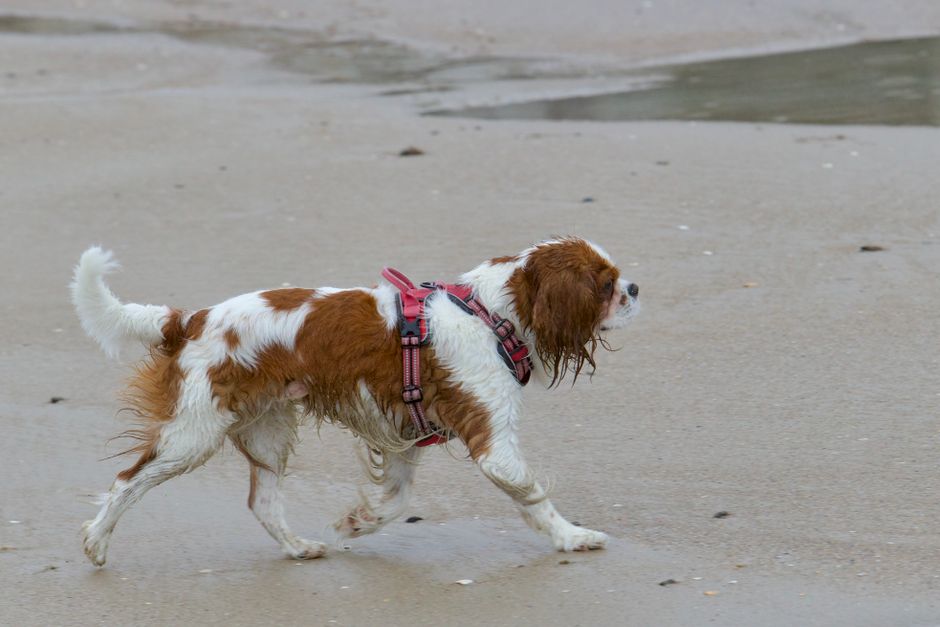
Photo by Jean-Francois Frenel via Pexels
Before we get into the details, here’s a quick-reference snapshot of the Cavalier King Charles Spaniel so you can get the big picture at a glance.
| Characteristic | Details |
|---|---|
| Origin | United Kingdom |
| Breed Group | Toy Group (AKC) |
| Size | Small |
| Weight | 12–18 lbs (5.4–8.2 kg) |
| Height | 12–13 inches at the shoulder |
| Lifespan | 9–14 years |
| Temperament | Gentle, affectionate, adaptable, sociable |
| Energy Level | Moderate |
| Shedding | Moderate |
| Trainability | High — eager to please |
| Good With Kids | Excellent |
| Good With Other Dogs | Excellent |
| Good With Cats | Generally yes, with proper introduction |
| Apartment Friendly | Yes |
| AKC Recognition | 1995 |
History & Origin

Photo by Ralf Sauter on Unsplash
The Cavalier King Charles Spaniel’s story begins in the royal courts of Europe, making this one of the most aristocratic breeds you can own. Small toy spaniels were immensely popular among British nobility during the 16th, 17th, and 18th centuries, and none loved them more than King Charles II, who was so devoted to his spaniels that he reportedly issued a royal decree allowing them entry into any public building in England — a decree that some claim technically still stands today.
These early spaniels had a longer, more pointed muzzle and a flat skull — quite different from the rounded, domed head of the King Charles Spaniel (also called the English Toy Spaniel in the United States) that became fashionable during the Victorian era. As breeders began crossing the toy spaniels with flat-faced breeds like Pugs and Japanese Chins, the traditional look was nearly lost entirely.
Enter Roswell Eldridge, an American dog lover who visited England in the 1920s and was determined to restore the original type. He offered prize money at the Crufts dog show for breeders who could produce spaniels resembling those seen in old Van Dyck and Gainsborough paintings — with the longer nose and flat skull. Breeders took up the challenge, and the modern Cavalier King Charles Spaniel gradually emerged as a distinct breed, officially separated from the King Charles Spaniel in 1945 by the Kennel Club in the UK. The American Kennel Club officially recognized the breed in 1995, and it has consistently ranked among the top 20 most popular breeds in the United States ever since.
Did You Know? King Charles II was so inseparable from his spaniels that diarist Samuel Pepys criticized the king for spending more time with his dogs than attending to affairs of state. Now that’s a dog person.
Appearance & Size

Photo by Olavi Anttila via Pexels
The Cavalier King Charles Spaniel is undeniably one of the most visually striking toy breeds. Everything about their appearance communicates warmth and gentleness — from their large, round, dark eyes (described in the breed standard as expressing “melting” gentleness) to their long, silky, feathered ears that frame their face like a portrait.
They are small but sturdy dogs, typically weighing between 12 and 18 pounds and standing 12 to 13 inches tall at the shoulder. Their body is slightly longer than it is tall, giving them an elegant but not delicate silhouette. Their tail is carried happily in motion, often wagging constantly, which is very much a reflection of their personality.
Coat Types & Colors
The Cavalier has a single coat that is medium-length, silky in texture, and may be straight or slightly wavy. There is no undercoat, which means less dense shedding than double-coated breeds, though they do shed a moderate amount. Feathering — the longer, flowing hair — appears on the ears, chest, legs, feet, and tail.
The AKC recognizes four official color patterns:
- Blenheim: Rich chestnut markings on a pearly white background. This is the most iconic and classic color. A small chestnut spot on the top of the skull (called the “Blenheim spot” or “lozenge”) is considered especially prized.
- Tricolor: Black and white with tan markings over the eyes, on the cheeks, inside the ears, and under the tail.
- Black & Tan: Jet black with rich tan markings in specific locations.
- Ruby: A rich, solid mahogany red — no white markings at all.
Each color variety has its own devoted fanbase among Cavalier enthusiasts, but all share the same irresistible expression and soft, flowing coat.
Temperament & Personality

Photo by Izabelly Marques on Unsplash
If you want a dog that will follow you from room to room, curl up on your lap the moment you sit down, and greet every single person they meet as a long-lost friend, the Cavalier King Charles Spaniel might be your perfect match. This breed was literally developed to be a companion — not a hunter, not a guardian, not a working dog — and they excel at their purpose in every way.
Cavaliers are gentle, affectionate, and deeply people-oriented. They tend to be non-aggressive and are rarely reactive with strangers, other dogs, or even cats, which makes them a fantastic choice for busy households with multiple pets. They are known for being especially good with children — patient, playful, and tolerant — though their small size means interactions with very young toddlers should always be supervised.
One trait that surprises new owners is the Cavalier’s adaptability. Unlike some breeds that need a very specific lifestyle (think the Siberian Husky’s intense exercise demands or the Border Collie’s need for mental stimulation and a job to do), the Cavalier is genuinely flexible. They’re happy in an apartment or a house, with an active family or a quieter retiree, in the city or the countryside. They adjust to your pace rather than demanding you adjust to theirs.
That said, the flip side of their deep attachment to people is that Cavaliers are highly prone to separation anxiety. They do not do well when left alone for long periods. If your lifestyle involves long workdays away from home without a pet-sitter, dog walker, or canine companion for them, a Cavalier may not be the best fit — or may develop anxious, destructive behaviors out of loneliness.
The “Comforter Spaniel” Legacy: Historically, Cavaliers and their spaniel ancestors were called “Comforter Spaniels” because they were placed on laps and against the bodies of their owners to provide warmth and — it was believed at the time — to draw illness away from the person. Whether or not that worked medically is debatable, but their comforting presence is very much real.
Training & Intelligence

Cavaliers are intelligent dogs with a genuine desire to please, which makes training a generally enjoyable experience — especially compared to more independent-minded breeds. They respond beautifully to positive reinforcement techniques: praise, play, and small treat rewards will get you much further than any harsh correction, which can cause a Cavalier to shut down emotionally.
They pick up basic commands and household manners fairly quickly and tend to excel in dog sports that reward gentle engagement, such as obedience, rally, and agility. Many Cavaliers also make outstanding therapy dogs because of their calm, affectionate nature and their ease around strangers in unfamiliar environments.
Common Training Challenges
- Housetraining: This is the area where many Cavalier owners struggle most. Some individuals can be slow to reliably housetrain, so consistency, a strict schedule, and crate training are essential. Don’t be discouraged — it does click eventually.
- Recall: Cavaliers have a mild prey drive (they are spaniels, after all), and if something catches their eye — a squirrel, a butterfly, an interesting smell — they may ignore your call. A reliable recall needs consistent practice, and they should never be off-leash in an unsecured area.
- Separation anxiety: Teaching your Cavalier to be comfortable with alone time should begin early in puppyhood with gradual desensitization. This is one of the most important things you can work on with the breed.
Keep training sessions short (10–15 minutes), upbeat, and positive. Cavaliers are sensitive souls — they want to make you happy, and they will, as long as the learning environment feels safe and fun.
Exercise & Activity Needs

Photo by Geoff Oliver on Unsplash
The Cavalier occupies a sweet spot that many dog lovers find ideal: they need enough exercise to stay healthy and mentally satisfied, but they don’t require the kind of intensive daily workout that a high-energy breed like the Australian Shepherd demands. They’re athletes in a lapdog’s clothing.
Most adult Cavaliers do well with approximately 30 to 45 minutes of moderate exercise per day. This can be broken up into two or three shorter walks, combined with some play sessions in the garden or living room. They enjoy sniffing, exploring, and interactive games — their spaniel heritage means they love using their nose.
Cavaliers can also surprise you with bursts of enthusiastic playfulness. They’ll happily chase a ball in the backyard, go for a longer hike on a pleasant day, or participate in agility courses. But they’re equally happy curled up with you on a rainy afternoon, and they won’t hold a missed walk against you the way some higher-drive breeds might.
Heat Warning: Because of their partially flattened facial structure, Cavaliers can be sensitive to heat and humidity. Always exercise them in the cooler parts of the day during summer, ensure they have access to fresh water, and watch carefully for signs of overheating such as excessive panting or lethargy.
Grooming Requirements
Photo by Muhammed Tubtemur via Pexels
The Cavalier’s silky, flowing coat is one of its most beautiful features, and it does require regular maintenance to keep it looking and feeling its best — though it’s far from the most demanding grooming regimen in the dog world.
Brushing
Brush your Cavalier at least two to three times per week to prevent tangles and mats, particularly in the feathering around the ears, chest, legs, and feet. Daily brushing is ideal if you want to maintain a truly show-worthy coat and minimize shedding on furniture and clothing. A slicker brush and a metal comb are your two most essential tools.
Chris Christensen Big G Slicker Brush
Gentle on silky Cavalier coats while effectively detangling feathering without causing breakage or discomfort.
Bathing
Cavaliers should be bathed every 2 to 4 weeks, or whenever they get noticeably dirty. Use a gentle dog shampoo formulated for silky coats. Always make sure to dry them thoroughly — especially in the ear area — as moisture trapped in those long, floppy ears creates a perfect environment for bacterial and yeast infections.
Ear Care
Ear health is particularly important for Cavaliers. Their long, pendant ears restrict airflow to the ear canal, making them one of the more ear-infection-prone breeds. Check and gently clean ears weekly using a veterinarian-approved ear cleaner. Signs of infection include odor, redness, head shaking, and scratching at the ears. If you notice any of these, see your vet promptly.
Teeth, Nails & Eyes
Brush teeth ideally daily, or at minimum 2-3 times per week, to prevent dental disease — a common issue in small breeds. Nails should be trimmed every 3 to 4 weeks. Some Cavaliers also experience minor eye discharge due to their large, prominent eyes; gently wipe around the eye area daily with a soft, damp cloth to prevent staining and irritation.
Health & Lifespan

Photo by Harrison Lin on Unsplash
This section deserves your full attention, because the Cavalier King Charles Spaniel carries a heavier health burden than most breeds, and understanding it is essential for any responsible owner or prospective buyer. That’s not said to alarm you — many Cavaliers live happy, full lives — but the health issues are significant enough that they should factor meaningfully into your decision and your preparation.
The average lifespan of a Cavalier King Charles Spaniel is 9 to 14 years, with many falling in the 10–12 year range. Reputable breeding practices and proactive veterinary care can significantly impact quality of life.
Mitral Valve Disease (MVD)
This is the most serious and prevalent health concern in the breed. Mitral valve disease is a progressive heart condition in which the mitral valve (between the heart’s left chambers) degenerates over time, eventually leading to heart failure. According to research and the VCA Hospitals, virtually all Cavaliers will develop some degree of MVD if they live long enough — studies suggest that by age 10, nearly 100% of Cavaliers show signs of the condition. Responsible breeders follow the MVD Breeding Protocol established by cardiologists, which recommends that neither parent be bred before age 2.5, and that both parents be free of heart murmurs at that age. Always ask breeders for cardiac health certificates.
Syringomyelia (SM) and Chiari-like Malformation (CM)
Perhaps the most heartbreaking condition associated with the breed, syringomyelia occurs when fluid-filled cavities (syrinxes) form within the spinal cord, often caused by a Chiari-like malformation — a condition in which the skull is too small for the brain, causing it to push into the spinal canal. Symptoms range from mild (phantom scratching, sensitivity around the neck and shoulders) to severe (significant pain, neurological deficits). According to research published in PubMed, the condition is believed to affect the majority of Cavaliers to some degree, though not all show clinical signs. MRI screening of breeding stock is the gold standard for reducing prevalence in the breed.
Episodic Falling Syndrome (EFS)
A unique condition to the Cavalier, EFS causes episodes of muscle stiffness and collapse during or after exercise or excitement. It is caused by a known genetic mutation, and a DNA test is available to identify carriers and affected dogs. Responsible breeders will test for this condition.
Hip Dysplasia & Luxating Patella
Like many small and medium breeds, Cavaliers can be prone to hip dysplasia and patellar luxation (a slipping kneecap). Regular veterinary checks and maintaining a healthy weight help manage these orthopedic concerns.
Eye Conditions
Cavaliers can be affected by several hereditary eye conditions, including keratoconjunctivitis sicca (dry eye) and retinal conditions. Annual eye exams by a board-certified ophthalmologist are recommended for breeding dogs.
Choosing a Responsible Breeder: Given the breed’s health challenges, where you get your Cavalier matters enormously. Look for breeders who perform cardiac, neurological (MRI for SM/CM), orthopedic, eye, and genetic testing on all breeding stock. The AKC’s Bred With H.E.A.R.T. program and the American Cavalier King Charles Spaniel Club’s health testing recommendations are good starting points.
Recommended Vet Visit Frequency
Puppies need a series of visits in their first year for vaccinations, parasite prevention, and a general health baseline. Adult Cavaliers should see a veterinarian at least once annually. Given the prevalence of MVD, annual cardiac auscultation (listening to the heart with a stethoscope) is strongly recommended by cardiologists, with more frequent monitoring once a murmur is detected. Senior dogs (over 8 years) benefit from twice-yearly wellness exams.
Nutrition & Feeding

Photo by Paulo Cunha via Pexels
Cavaliers thrive on a high-quality, complete, and balanced diet appropriate for their age (puppy, adult, or senior), size, and activity level. Like many small breeds, they can be prone to weight gain, which places extra strain on their heart and joints — so portion control is critical.
How Much to Feed
Most adult Cavaliers do well on approximately ½ to 1 cup of high-quality dry kibble per day, divided into two meals. However, every dog is different, and the right amount depends on your individual dog’s age, metabolism, and activity level. Always follow the feeding guidelines on your chosen food and adjust based on body condition — you should be able to feel (but not see) the ribs with light pressure.
What to Look For in a Food
- Named protein source first: Chicken, turkey, salmon, or lamb should be the primary ingredient.
- Appropriate life stage formula: Puppy foods for dogs under 1 year, adult maintenance for healthy adults, senior formulas for dogs 8+ or as recommended by your vet.
- Heart-healthy considerations: Given the breed’s predisposition to MVD, some owners and vets discuss taurine and L-carnitine levels in the diet. Discuss this with your veterinarian, particularly given the ongoing research into diet and dilated cardiomyopathy (DCM) in dogs, as flagged by the AVMA.
- Avoid overfeeding grain-free exotic diets without veterinary guidance, given ongoing studies into their potential cardiac risks.
Royal Canin Breed Health Nutrition Cavalier King Charles Adult Dry Dog Food
Specifically formulated for the Cavalier’s unique cardiac health needs, jaw shape, and coat requirements.
Treats & Supplements
Treats should make up no more than 10% of your Cavalier’s daily caloric intake. Omega-3 fatty acid supplements (fish oil) can support coat health and have anti-inflammatory benefits. Always consult your veterinarian before adding any supplements, especially if your dog has or is at risk for cardiac issues.
Is a Cavalier King Charles Spaniel Right for You?

Photo by Harrison Lin on Unsplash
The Cavalier is a wonderful breed — but like every dog, it comes with specific needs, tradeoffs, and realities that deserve honest consideration. Here’s a balanced look at who this breed suits best.
The Cavalier Is a Great Fit If You:
- Want a genuinely affectionate, velcro dog who will be your constant companion
- Are a first-time dog owner looking for a trainable, gentle breed
- Have children or other pets at home — Cavaliers are famously good with both
- Live in an apartment or a home without a yard
- Are a senior or retiree looking for a moderate-energy companion
- Are willing and able to provide regular veterinary cardiac monitoring
- Have the time and financial resources to manage potential health issues proactively
You May Want to Reconsider If You:
- Are away from home for long hours regularly with no pet care support — separation anxiety is real and significant in this breed
- Are looking for a low-cost, low-vet-visit dog — Cavaliers often require more veterinary care than average
- Want an outdoor, rugged adventure dog as your primary companion — they can enjoy hikes, but they’re not built for extreme conditions
- Are not prepared for the emotional and financial weight of heart disease management in later years
- Are severely allergic to dog hair — despite their elegant appearance, they do shed moderately
It’s also worth comparing your lifestyle needs with other breeds before committing. If you want a similarly gentle, companion-oriented small breed, you might explore the Shih Tzu, which has its own set of wonderful traits and different health considerations. For families wanting a larger, similarly family-friendly dog, the Golden Retriever is another classic choice worth exploring.
Adoption & Rescue: Cavalier-specific rescue organizations exist in most regions and can be a wonderful way to give an adult dog a second chance. Adult Cavaliers often adapt quickly to new homes and may have fewer of the unknown health variables of a puppy. Check the American Cavalier King Charles Spaniel Club Rescue Trust at ackcsc.org for resources.
Frequently Asked Questions
Do Cavalier King Charles Spaniels shed a lot?
Cavaliers are moderate shedders. They don’t have a thick double coat like a Husky or Golden Retriever, but their silky, medium-length fur does shed throughout the year, with slightly heavier periods in spring and fall. Regular brushing two to three times per week significantly reduces loose hair on furniture and clothing. They are not considered a hypoallergenic breed.
Are Cavalier King Charles Spaniels good for first-time dog owners?
Yes — Cavaliers are widely regarded as one of the best breeds for first-time owners. Their gentle temperament, eagerness to please, and adaptability make them highly forgiving of owner inexperience. The main caveat is their health complexity: new owners should be financially and emotionally prepared for the possibility of cardiac and neurological issues as the dog ages, which can require significant veterinary management.
How long do Cavalier King Charles Spaniels live?
The average lifespan of a Cavalier King Charles Spaniel is 9 to 14 years, with most living in the 10–12 year range. Lifespan is significantly influenced by genetics, the quality of breeding (particularly cardiac health protocols), diet, weight management, and the level of proactive veterinary care they receive throughout their lives. Dogs from health-tested parents who are kept at a healthy weight and receive regular cardiac monitoring tend to live on the longer end of that range.
Can Cavalier King Charles Spaniels be left alone?
Cavaliers can struggle significantly when left alone for extended periods. As a breed developed entirely for human companionship, they form deep bonds with their people and are highly prone to separation anxiety. While some individuals tolerate alone time better than others — especially with proper early training — Cavaliers are ideally suited to households where someone is home most of the day, or where a dog walker, pet sitter, or canine companion helps fill the gap. Crate training and gradual desensitization to alone time from puppyhood can help considerably.
How much does a Cavalier King Charles Spaniel cost?
From a reputable breeder who performs all recommended health testing, Cavalier puppies typically range from $1,500 to $3,500 or more, depending on location, pedigree, and color. Be very cautious of significantly cheaper puppies — cutting corners on health testing is a red flag that can mean far greater costs down the line in veterinary bills. Adopting through a Cavalier rescue organization is another option, with adoption fees typically ranging from $200 to $500. Remember to budget for ongoing costs including quality food, routine veterinary care, cardiac monitoring, grooming, and potential specialist visits.
