The Complete Bernese Mountain Dog Guide: Temperament, Care, Health & More
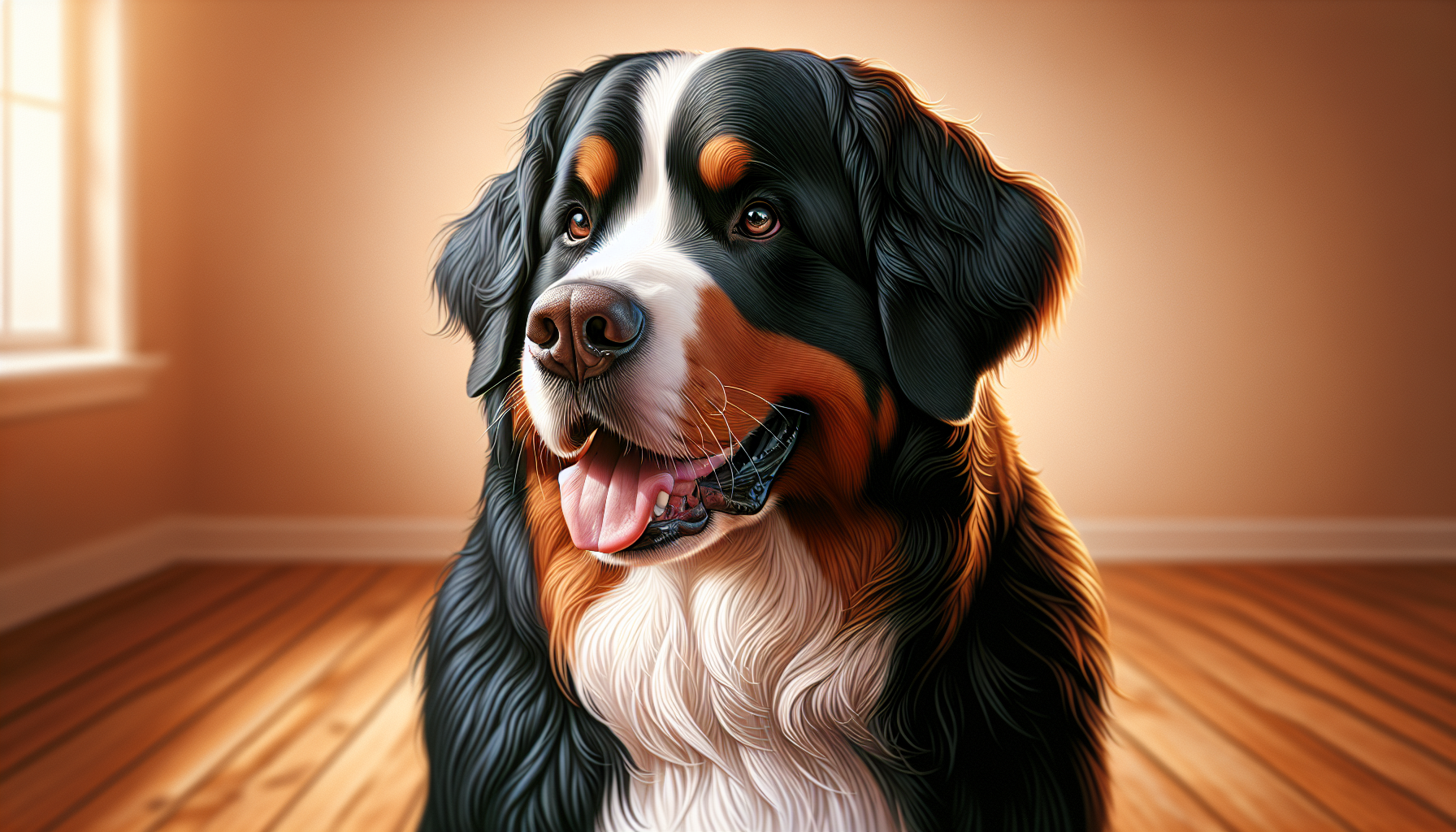
The Bernese Mountain Dog is one of the most beloved large breeds in the world — and it's easy to see why. With their stunning tri-colored coat, gentle giant temperament, and unwavering loyalty, "Berners" have a way of stealing hearts the moment they walk into a room. But behind that gorgeous exterior is a breed with very specific needs, a heartbreakingly short lifespan, and a personality so warm and affectionate that owners often say no other dog will ever compare.
Breed Overview

Photo by Omar Ramadan via Pexels
Before diving deep, here's a quick-reference snapshot of everything you need to know about the Bernese Mountain Dog at a glance.
| Characteristic | Details |
|---|---|
| Origin | Bern, Switzerland |
| Breed Group | Working Group (AKC) |
| Size | Large to Giant |
| Weight | 70–115 lbs (males slightly heavier) |
| Height | 23–27.5 inches at the shoulder |
| Lifespan | 7–10 years |
| Temperament | Gentle, affectionate, loyal, calm, slightly reserved with strangers |
| Energy Level | Moderate |
| Shedding | Heavy — year-round with heavy seasonal blows |
| Trainability | High — eager to please, responds well to positive reinforcement |
| Good With Kids | Excellent |
| Good With Other Dogs | Generally yes, especially when socialized early |
| Good With Cats | Usually yes, with proper introduction |
| Apartment Friendly | No — needs space and outdoor access |
History & Origin

Photo by Dagmar Klauzová on Unsplash
The Bernese Mountain Dog is one of four Swiss Mountain Dog breeds (collectively called Sennenhunde), all sharing that iconic tri-colored coat. The breed takes its name from the Canton of Bern in Switzerland, where farmers relied on these powerful, weather-resistant dogs for centuries of hard agricultural work.
Berners were true working dogs in every sense. They pulled carts loaded with dairy products to market — a job that required both strength and a steady, calm temperament in busy town environments. They also drove cattle, guarded farmsteads, and served as loyal companions to Swiss Alpine farmers. Their dense, double coat was perfectly engineered for the cold, wet mountain climate of the Swiss Alps.
Despite their long history, the breed nearly disappeared by the late 1800s as farm mechanization reduced demand for draft dogs. It was Swiss geology professor Albert Heim who spearheaded a revival effort in the early 1900s. He identified and promoted the Bernese as a distinct breed, and the Schweizerische Dürrbach-Club was founded in 1907 to preserve and standardize it. The breed was officially recognized by the American Kennel Club in 1937.
Today's Berner retains every quality that made them indispensable on Swiss farms — the strength, the calm confidence, the devotion to family. The only thing that's changed is their job description: from dairy cart hauler to beloved family companion.
Appearance & Size

Photo by Tejash Mishra via Pexels
The Bernese Mountain Dog is a large, sturdy, and strikingly beautiful breed. Males typically stand 25–27.5 inches at the shoulder and weigh between 80–115 lbs, while females are slightly smaller at 23–26 inches and 70–95 lbs. Despite their size, Berners carry themselves with a calm, almost dignified presence — they don't look clunky or lumbering, but rather powerful and purposeful.
The Coat
The Berner's coat is arguably their most iconic feature. It's thick, moderately long, and slightly wavy or straight — never curly. The double coat consists of a longer outer coat and a dense, woolly undercoat that provided insulation against Swiss mountain winters.
The color pattern is always tri-colored: a jet-black base with rich rust markings above the eyes, on the cheeks, sides of the chest, under the tail, and on all four legs — and bright white on the chest, muzzle, and typically a blaze between the eyes. The classic white "Swiss cross" on the chest is considered especially desirable in the show ring.
Distinctive Physical Traits
- Broad, flat skull with a moderate stop
- Dark brown, almond-shaped eyes with a gentle, intelligent expression
- Medium-sized triangular ears that hang close to the head
- A broad, deep chest built for draft work
- A bushy, long tail carried low at rest and raised (never curled over the back) when alert
- Straight, strong forelegs and well-muscled hindquarters
Temperament & Personality

Photo by Shayna Douglas on Unsplash
If you've ever spent time with a Bernese Mountain Dog, you'll understand why people describe them as "the dog that ruins you for all other breeds." Their temperament is genuinely exceptional — a rare combination of gentleness, calm confidence, loyalty, and playful affection that is almost perfectly suited to family life.
With Family
Berners are deeply devoted to their people. They're not the type to wander off and do their own thing — they want to be wherever you are, whether that's lounging on the couch, hiking through the woods, or supervising dinner preparation from three feet away. This breed thrives on closeness and can develop separation anxiety if left alone for long periods regularly.
They are excellent with children of all ages. Their natural patience and gentle disposition make them tolerant of the chaos that comes with young kids, though their size means supervision is important around toddlers — not because Berners are aggressive, but simply because a wagging tail or excited leap can knock a small child over.
With Strangers
Berners tend to be somewhat reserved — not fearful or aggressive, but not immediately jumping into a stranger's lap either. They'll hang back, assess, and warm up at their own pace. Early socialization is critical to ensuring this natural reserve doesn't tip into shyness or anxiety. A well-socialized Berner should be calm and friendly in public, not reactive or skittish.
With Other Pets
Generally speaking, Berners get along well with other dogs and even cats, particularly when raised alongside them. Their working heritage didn't involve predatory behavior toward livestock, which translates to a fairly low prey drive in modern Berners. That said, every dog is an individual, and proper introductions always matter.
If you're drawn to other gentle giant breeds, you might also enjoy reading our Complete Great Dane Guide — another breed that combines impressive size with a surprisingly sweet temperament.
Training & Intelligence

Photo by Tahir Xəlfəquliyev via Pexels
The Bernese Mountain Dog is an intelligent, eager-to-please breed that typically responds very well to training — when it's done right. They are not the relentlessly driven working dogs you'll find in herding breeds like the Border Collie or Australian Shepherd, but they are willing, thoughtful learners who genuinely want to make you happy.
Training Approach
Positive reinforcement is non-negotiable with this breed. Berners are emotionally sensitive — harsh corrections, raised voices, or punishment-based methods can shut them down entirely and damage the trust bond you've worked to build. Short, upbeat training sessions with high-value treats and genuine praise produce far better results than repetitive drills.
Start training early. Bernese Mountain Dog puppies are adorable, fluffy, and very manageable — but they grow into 100-lb dogs with surprising speed. A Berner who hasn't learned basic leash manners or impulse control by the time they're full grown is a genuine physical challenge to manage.
Common Training Challenges
- Stubbornness: Berners can have an independent streak. If they don't see the point of a command, they may simply decline. Keep sessions fun and purposeful.
- Slow maturity: Berners are notoriously "puppyish" well into their second or third year. Expect some silliness and selective attention from adolescents.
- Pulling on leash: Given their draft dog heritage and size, leash manners require dedicated, consistent work from an early age.
- Sensitivity to stress: Changes in routine, new environments, or tension in the household can affect a Berner's confidence and willingness to train.
What They Excel At
With the right foundation, Berners shine in obedience, rally, carting (their historical specialty), tracking, and therapy dog work. Their calm, steady demeanor makes them excellent candidates for therapy certification, and many serve in hospitals, schools, and care facilities across the country.
Exercise & Activity Needs

Photo by Dagmar Klauzová on Unsplash
Despite their working heritage, the Bernese Mountain Dog has moderate exercise needs — not the relentless, high-octane demands of a herding dog, but certainly more than a leisurely stroll around the block. Plan for at least 30–60 minutes of meaningful exercise per day for an adult Berner.
Ideal Activities
- Hiking: Berners absolutely thrive on trails. Their mountain heritage means they're built for varied terrain, and they genuinely seem happiest outdoors in cooler temperatures.
- Carting: A growing sport that Berners were literally bred for. The Bernese Mountain Dog Club of America hosts carting events and certifications.
- Swimming: Many Berners enjoy water, though they're not as naturally aquatic as retriever breeds.
- Backyard play: A securely fenced yard is a genuine quality-of-life upgrade for this breed.
- Mental enrichment: Puzzle toys, nose work, and training games are just as important as physical exercise for this intelligent breed.
Important Caveats
Also important: avoid strenuous exercise with puppies. Large breed puppies are vulnerable to growth plate injuries, and high-impact activities like jogging, jumping, or extended hikes should wait until your Berner is at least 18 months old and has been cleared by a vet.
Grooming Requirements

Photo by Игорь Кипелкин via Pexels
Let's be honest: owning a Bernese Mountain Dog means accepting dog hair as a permanent fixture of your home. Berners shed heavily year-round and shed dramatically during their seasonal coat blows (typically spring and fall). If you're particular about a hair-free home, this breed will test your patience.
Brushing
Brush your Berner at minimum 2–3 times per week, ideally daily during shedding season. A slicker brush handles the outer coat, while an undercoat rake or deshedding tool is essential for pulling out the dense, woolly undercoat before it ends up on every surface in your home.
FURminator Undercoat Deshedding Tool for Large Dogs
Specifically designed to reduce Bernese Mountain Dog shedding by reaching through the topcoat to remove loose undercoat fur without cutting the skin.
View on Amazon →Bathing
Berners don't need frequent baths — every 6–8 weeks is typically sufficient unless they've rolled in something unpleasant (which is a very real possibility with this breed). Use a gentle, moisturizing dog shampoo and make sure to thoroughly dry the coat afterward. A wet, partially dried double coat can develop hot spots or skin irritation, particularly in warm weather.
Other Grooming Essentials
- Ears: Check and clean weekly. Floppy ears trap moisture and debris, making Berners prone to ear infections. Use a vet-approved ear cleaner and dry thoroughly after water exposure.
- Nails: Trim every 3–4 weeks. Nails that are too long can affect gait and cause joint strain — especially significant in a large breed.
- Teeth: Brush 2–3 times per week minimum, or daily if possible. Dental disease is extremely common in dogs and linked to heart and kidney issues over time.
- Paws: Check regularly for cracking, especially in winter (road salt is harsh on paw pads). Paw balm can help maintain pad health year-round.
Health & Lifespan

Photo by Dagmar Klauzová on Unsplash
Get weekly dog tips, breed guides & product picks — free.
This is, without question, the hardest section of any Bernese Mountain Dog guide to write. The Berner's most significant challenge — and the heartbreak that every owner eventually faces — is their short lifespan. The AKC lists the typical lifespan at 7–10 years, and many Berners fall on the shorter end of that range. For a breed this beloved, losing them so soon is devastating — and it's something every prospective owner needs to understand before falling in love.
Cancer
Cancer is the leading cause of death in Bernese Mountain Dogs. Studies suggest that approximately 50% of Berners will develop some form of cancer in their lifetime, with histiocytic sarcoma — a particularly aggressive and unfortunately Berner-predisposed cancer — being especially prevalent. Research at the University of Bern and other institutions has been working to understand the genetic basis of this predisposition. Early detection through regular veterinary exams and owner vigilance is currently the best tool available.
If you're researching cancer risks in large breeds more broadly, our Golden Retriever Cancer: Risks, Warning Signs & Prevention Guide offers helpful context, as Goldens face similarly elevated cancer rates.
Orthopedic Issues
As a large, heavy breed, Berners are significantly predisposed to orthopedic problems:
- Hip Dysplasia: A malformation of the hip joint that causes pain, arthritis, and mobility loss. OFA health testing of breeding dogs is essential for responsible breeders.
- Elbow Dysplasia: Similarly common in large breeds, this condition affects the elbow joint and can cause significant lameness.
- Osteochondrosis (OCD): A cartilage development disorder seen in growing large breed puppies, often linked to rapid growth and inappropriate exercise.
Bloat (Gastric Dilatation-Volvulus)
GDV is a life-threatening emergency in which the stomach fills with gas and twists on itself. Deep-chested breeds like Berners are at elevated risk. According to VCA Hospitals, GDV can be fatal within hours without surgical intervention. Feed multiple smaller meals rather than one large meal, avoid vigorous exercise immediately after eating, and discuss prophylactic gastropexy with your veterinarian.
Von Willebrand’s Disease
A hereditary bleeding disorder that affects blood clotting. Genetic testing is available and responsible breeders screen for it.
Progressive Retinal Atrophy (PRA)
A degenerative eye condition that can lead to blindness. DNA testing is available for breeding stock.
Recommended Health Testing (per OFA/CHIC Protocol)
- Hip and elbow evaluations (OFA or PennHIP)
- Cardiac evaluation by a cardiologist
- Eye exam (CAER)
- Von Willebrand's Disease DNA test
Always buy from a breeder who performs and openly shares all recommended health clearances. The Bernese Mountain Dog Club of America maintains breeder referrals and health resources.
Nutrition & Feeding

Photo by Matheus Amaral via Pexels
Feeding a Bernese Mountain Dog correctly is about more than just filling the bowl — it directly affects their joint health, weight management, and long-term wellbeing. As a large to giant breed, Berners have specific nutritional requirements that differ meaningfully from smaller dogs.
Large Breed Formulas
Feed a high-quality large breed formula at every life stage. Large breed puppy foods are specifically formulated with controlled calcium and phosphorus ratios to support slower, more controlled bone growth — critical for preventing developmental orthopedic diseases. Don't feed a standard puppy food or a food designed for small breeds to a Berner puppy.
Portion Guidance
Adult Berners typically eat 3–5 cups of high-quality dry food per day, divided into two meals. However, portions vary significantly based on the dog's age, weight, activity level, and the caloric density of the specific food. Always follow the feeding guidelines on the bag as a starting point and adjust based on body condition score — you should be able to feel but not see the ribs.
Royal Canin Bernese Mountain Dog Adult Dry Dog Food
Breed-specific formula designed to support the Bernese Mountain Dog's joint health, heart function, and coat condition with tailored nutrient profiles.
View on Amazon →Key Nutritional Considerations
- Omega-3 fatty acids: Support coat health, reduce inflammation, and may help protect joint tissues. Look for foods with fish oil or supplement separately.
- Joint support: Glucosamine and chondroitin supplementation is commonly recommended for Berners, particularly as they age. Discuss with your vet.
- Weight management: Excess weight dramatically worsens orthopedic conditions. Keep your Berner lean — a slightly visible waist and palpable ribs are healthy for this breed.
- Protein quality: Look for a named animal protein (chicken, lamb, salmon) as the first ingredient. Avoid foods with excessive fillers or artificial additives.
Bloat Prevention
As mentioned in the health section, divide daily food into at least two meals rather than one. Avoid elevated food bowls (research on elevated feeders and GDV risk is mixed, but many veterinary internists advise against them for at-risk breeds). Wait at least an hour after meals before exercise, and at least 30 minutes before feeding after vigorous activity.
Is a Bernese Mountain Dog Right for You?

Photo by Dagmar Klauzová on Unsplash
The Bernese Mountain Dog is one of the most wonderful dogs on the planet — but they're not the right dog for everyone. Here's an honest breakdown to help you decide.
Berners Are a Great Fit If You…
- Want a deeply loyal, family-oriented dog who will be your shadow
- Have children — Berners are among the best family breeds available
- Have a home with a yard or easy access to outdoor space
- Live in a cooler climate or have air conditioning for hot months
- Are prepared to commit to regular grooming and tolerate significant shedding
- Have the financial resources for large-breed veterinary care, including potential orthopedic and cancer-related expenses
- Are emotionally prepared for the breed's shorter-than-average lifespan
- Want a calm, manageable giant rather than a high-energy working dog
Berners May Not Be Right If You…
- Live in a hot climate without climate control
- Work long hours and can't provide companionship — Berners are prone to separation anxiety
- Have a small apartment with no outdoor access
- Are a first-time owner who isn't prepared for the scale of care (grooming, training, medical costs) a large breed requires
- Have allergies — Berners shed profusely and are not hypoallergenic
- Cannot emotionally handle the potential of losing a dog at 7 or 8 years old
If you're exploring other loyal, family-friendly large breeds, it's worth reading our Complete Golden Retriever Guide and our Complete Labrador Retriever Guide — both offer similar family-dog qualities with longer average lifespans.
Frequently Asked Questions
How long do Bernese Mountain Dogs live?
The average Bernese Mountain Dog lifespan is 7–10 years, which is shorter than many breeds of similar size. This is largely due to a high genetic predisposition to cancer, particularly histiocytic sarcoma. While heartbreaking, many owners feel the intensity of love and loyalty a Berner offers makes every year deeply worthwhile. Choosing a puppy from health-tested parents and maintaining regular veterinary care gives your Berner the best chance at a longer life.
Do Bernese Mountain Dogs shed a lot?
Yes — significantly. Berners shed year-round and experience heavy seasonal shedding in spring and fall when they "blow" their undercoat. Regular brushing (2–3 times per week minimum, daily during shedding season) with an undercoat rake or deshedding tool can substantially reduce the amount of hair in your home, but it cannot eliminate shedding entirely. Dog-hair-covered clothes and furniture are simply part of Berner ownership.
Are Bernese Mountain Dogs good with kids?
Bernese Mountain Dogs are excellent with children and are widely considered one of the best family dog breeds available. They are patient, gentle, and deeply tolerant — naturally suited to the energy and unpredictability of young kids. As with any large breed, supervision is recommended around toddlers simply due to the size difference. A well-socialized Berner is unlikely to show aggression, but an enthusiastic 100-lb dog can accidentally knock over a small child.
How much exercise does a Bernese Mountain Dog need?
Adult Bernese Mountain Dogs need approximately 30–60 minutes of moderate exercise per day. This can be split between walks, hikes, backyard play, and mental enrichment activities. They are not as demanding as high-energy working breeds, but they do need consistent daily activity to stay healthy and prevent boredom-related behaviors. In hot weather, limit exercise to cooler times of day — Berners overheat easily and should never be exercised strenuously in high temperatures.
How much does a Bernese Mountain Dog puppy cost?
Bernese Mountain Dog puppies from reputable, health-testing breeders typically cost between $1,500 and $3,500 in the United States, with some lines from titled parents or sought-after bloodlines running higher. Be very cautious of significantly lower prices — they are often a red flag for puppy mills or backyard breeders who don't perform health testing. Beyond the purchase price, factor in ongoing costs: food for a 100-lb dog, grooming tools, routine vet care, and potential orthopedic or oncology expenses that come with the breed's health profile.
