Do Labrador Retrievers Shed a Lot? Complete Shedding Guide & Solutions
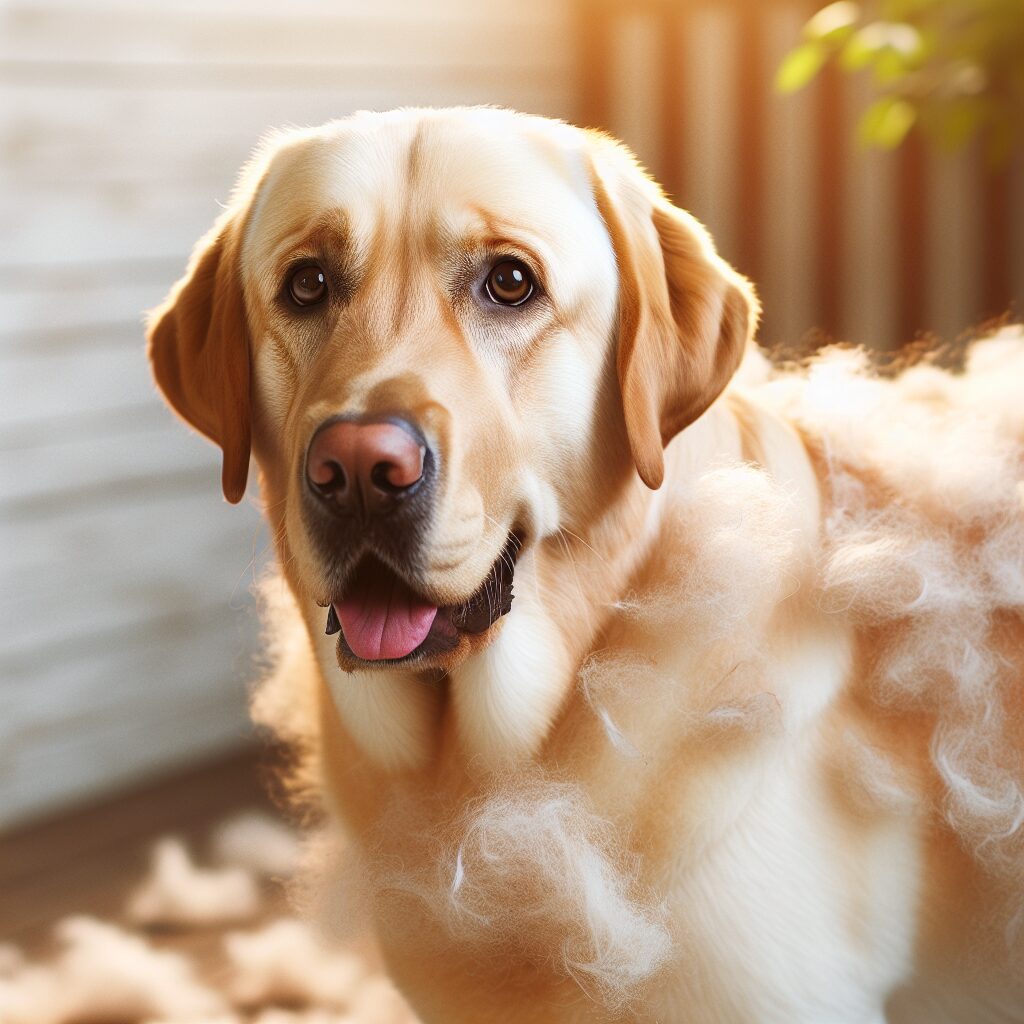
If you're considering bringing a Labrador Retriever into your home—or you already own one and are dealing with fur tumbleweeds—you've probably wondered: do Labrador Retrievers shed a lot? The short answer is yes. Labs are significant shedders, and understanding exactly what that means for your home, your vacuum, and your commitment level is essential before or after you bring one home.
Labrador Retrievers consistently rank among the top shedding dog breeds, alongside other double-coated breeds like Siberian Huskies and Golden Retrievers. Their shedding isn't a seasonal quirk—it's a year-round reality that intensifies during spring and fall when they "blow their coats." If you're a neat freak or live in a small apartment where dog hair accumulates quickly, a Lab might present challenges. But with the right knowledge and tools, managing their shedding is absolutely achievable.
This guide covers everything you need to know about Labrador shedding: why it happens, how much to expect, and practical solutions to keep your home (relatively) hair-free.
Why Do Labrador Retrievers Shed So Much?
To understand Labrador shedding, you need to understand their coat structure. Labs have a double coat—two distinct layers of fur working together. The outer layer, called the guard hair, is longer and coarser, providing protection from water and weather. The undercoat, beneath that, is denser and fluffier, providing insulation.
This double coat was originally bred into Labs for a reason: they were developed as water retrievers in Newfoundland, where their coat needed to repel cold ocean water while keeping them warm. The double coat does an excellent job at this, but it comes with a maintenance price: constant shedding.
According to the American Kennel Club (AKC), Labrador Retrievers shed year-round because their body naturally cycles through coat growth phases. Hair follicles continuously enter the telogen (resting and shedding) phase, meaning loose hair is always being released. This isn't abnormal—it's biology.
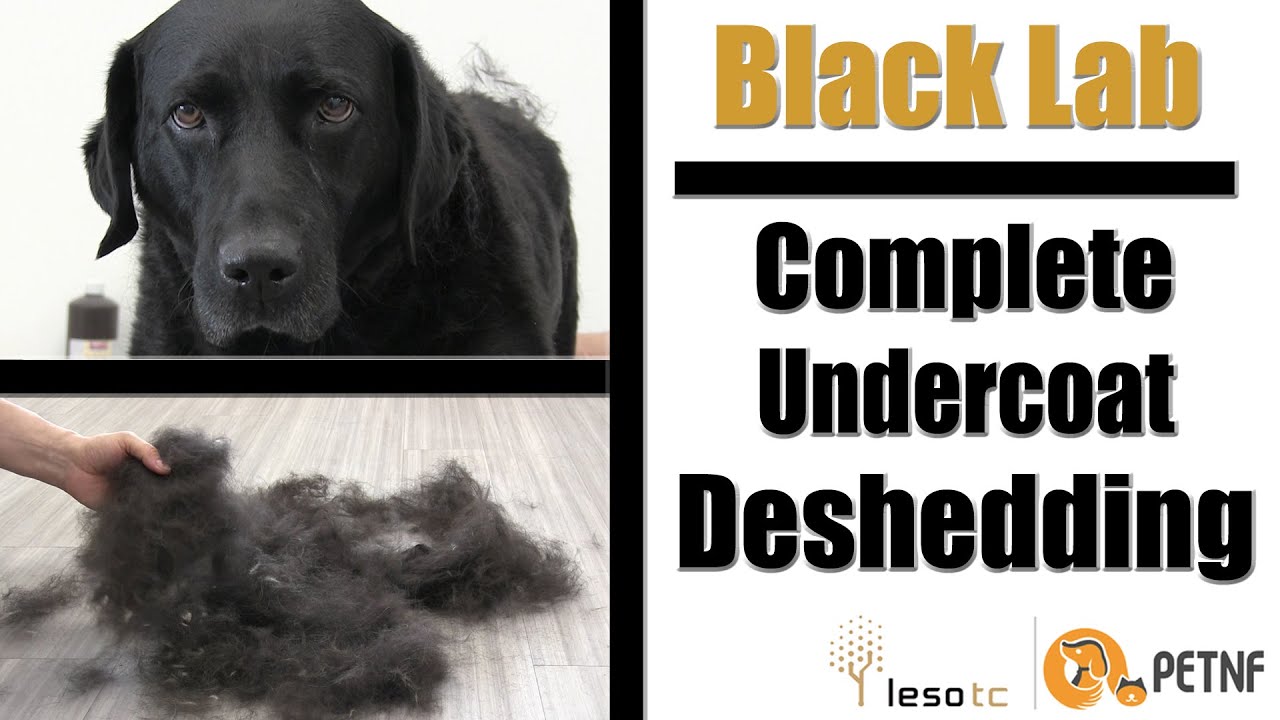
The shedding intensifies dramatically during spring and fall when Labs undergo what's called "blowing their coat." During these periods—typically lasting 2-4 weeks—they shed so heavily that you can literally pull out clumps of undercoat by hand. Many Lab owners describe this as the dog shedding its entire undercoat twice per year. While that's not technically accurate, it certainly feels that way.
Quick Fact: Labs don't shed more than other double-coated breeds overall, but their large size means the volume of hair shed is significant. A small double-coated breed sheds proportionally as much, but because Labs weigh 55-80 pounds, there's simply more hair to shed.
How Much Do Labs Actually Shed? A Reality Check
Let's get specific about what "shedding a lot" actually looks like in your home:
- Year-round shedding: Expect to find Lab hair on your furniture, clothes, and floors daily. Vacuuming once or twice weekly is standard maintenance for Lab owners.
- Peak shedding (spring/fall): During coat-blowing season, you might vacuum every 2-3 days. Some owners describe finding hair tumbleweeds in corners and a visible layer on dark furniture within hours of cleaning.
- Furniture and clothing: Your dark clothes will show Lab hair immediately. Light-colored furniture becomes a visible hair repository. Many Lab owners eventually cover couches with blankets or opt for furniture in colors matching their dog's coat.
- Car interior: If your Lab rides in your vehicle, expect constant shedding inside. Many owners keep lint rollers permanently in their cars.
The volume also depends on your Lab's individual coat health and genetics. Labs with denser, healthier coats may shed more noticeably than those with thinner coats, simply because there's more hair to shed. Coat color doesn't affect shedding amount—yellow, black, and chocolate Labs all shed equally.
Peak Shedding Seasons: When It Gets Intense
While Labs shed year-round, two specific periods demand extra attention:
Spring Shedding (March to May)
As temperatures warm and daylight increases, Labs shed their heavy winter undercoat. This is nature's way of helping them cool down for warmer months. The spring shed is often the most dramatic, with owners reporting they can brush out seemingly endless amounts of hair.
Fall Shedding (September to November)
As temperatures drop and daylight decreases, Labs begin growing their thicker winter coat. To make room for this new growth, they shed their lighter summer undercoat. The fall shed is usually slightly less intense than spring but still substantial.
The exact timing varies based on your geographic location, your home's temperature (heated/air-conditioned homes can extend shedding periods), and individual variation. Some Labs seem to shed year-round without distinct peak periods, while others have clearly defined shedding seasons.
Comparing Lab Shedding to Other Breeds
How do Labs stack up against other popular breeds? Here's a realistic comparison:
| Breed | Shedding Level | Double Coat? | Notes |
|---|---|---|---|
| Labrador Retriever | Heavy Year-Round | Yes | Significant shedding with dramatic seasonal peaks |
| Golden Retriever | Heavy Year-Round | Yes | Similar shedding to Labs; same care required |
| Siberian Husky | Very Heavy Seasonal | Yes | Sheds intensely but primarily during season changes |
| German Shepherd | Heavy Year-Round | Yes | Continuous shedding; significant seasonal increase |
| Poodle | Minimal | No | Hypoallergenic; requires regular professional grooming |
| French Bulldog | Light to Moderate | No | Single coat; minimal shedding compared to Labs |
| Shih Tzu | Minimal to Moderate | No | Single coat; requires frequent brushing but minimal shedding |
| Great Dane | Moderate | No (or minimal) | Single coat; far less shedding than Labs |
Labs and Golden Retrievers shed similarly—the most common comparison. Both are large, double-coated dogs with year-round shedding and dramatic seasonal peaks. If you're allergic to dog hair or have strong preferences against shedding, Poodles are genuinely a better match, though they require professional grooming every 4-8 weeks.
Proven Strategies to Manage Labrador Shedding
While you can't stop a Lab from shedding—it's biological and necessary for healthy coat function—you can dramatically reduce the amount of loose hair in your home through consistent management.
1. Invest in a High-Quality Undercoat Rake or Deshedding Tool
The single most effective shedding management tool is a deshedding brush designed specifically for double coats. These tools penetrate the outer guard hair and remove loose undercoat hair before it falls out naturally on your floor.
The most popular and effective options include:
- FURminator: An aggressive deshedding tool that removes significant amounts of loose hair quickly
- Undercoat Rake: A long-handled rake with close-set teeth that reaches deep into the coat
- Slicker Brush: A gentler option with fine, short wires close together; good for regular maintenance
- High-Velocity Dryer: A professional-grade tool that blows dry hair out of the coat while bathing
Use these tools 2-3 times weekly during normal shedding, and daily during peak shedding seasons. Many Lab owners report that regular deshedding reduces loose hair in the home by 60-70%.
Premium Undercoat Rake
Reaches deep into double coats to remove loose hair before it sheds naturally
View on Amazon →2. Bathe Your Lab During Peak Shedding
A thorough bath during spring and fall shedding seasons works wonders. Warm water loosens and lifts loose undercoat, and bathing constrains the shedding to one specific time and place (your shower or bathtub) rather than throughout your home over several weeks.
The bathing process:
- Brush out loose hair with an undercoat rake before bathing
- Bathe with warm water and dog-specific shampoo
- Rinse thoroughly (loose undercoat often releases during rinsing)
- If available, use a high-velocity dryer to blow out remaining loose hair
- Follow up with another round of deshedding
Many professional groomers offer specialized deshedding bath packages during shedding seasons. A single professional grooming session during peak shedding can remove weeks' worth of loose hair.
3. Brush Regularly—It’s Non-Negotiable
Establish a regular brushing routine, not just during peak shedding:
- Normal shedding periods: Brush 2-3 times per week
- Peak shedding: Brush daily or every other day
- Maintenance: Even 10-15 minutes of brushing removes significant loose hair before it falls on your furniture
Many Lab owners find that consistent brushing becomes a bonding activity and actually reduces the stress of managing shedding. Plus, your Lab will love the attention.
Get weekly dog tips, breed guides & product picks — free.
4. Use Lint Rollers and Furniture Covers Strategically
Accept that some Lab hair will reach your furniture and clothes. Keep lint rollers in strategic locations: by your favorite chair, in the car, in the bedroom. Consider washable furniture covers for places where your Lab likes to rest.
Water-Resistant Pet Furniture Blanket
Protects couches and chairs from shedding while remaining easy to remove and wash
View on Amazon →5. Filter Your Home’s Air
During peak shedding, use HEPA-filter vacuum cleaners and consider air purifiers with HEPA filters in rooms where your Lab spends most time. Airborne hair particles settle everywhere—air filtration helps.
6. Maintain Good Nutrition and Coat Health
A healthy coat sheds normally; an unhealthy coat may shed excessively. Ensure your Lab is on a high-quality diet with adequate:
- Omega-3 and Omega-6 fatty acids (support skin and coat health)
- Protein (builds strong hair)
- Vitamin E and biotin (support coat quality)
Ask your veterinarian whether adding a fish oil supplement or high-quality coat-support supplement might help your individual Lab. Some owners report notably improved coat quality and slightly reduced shedding with proper supplementation.
Pro Tip: Never shave a Lab's coat to reduce shedding. The double coat regulates temperature and protects the skin. Shaving disrupts this function and can lead to skin problems, sunburn, and even more chaotic shedding as the coat regrows. Accept the shedding as the cost of owning this breed.
Is Excessive Shedding Ever a Health Concern?
Normal Lab shedding is expected and healthy. However, excessive shedding beyond what we've described—or shedding accompanied by other symptoms—can indicate a health issue:
- Skin infections or allergies: Hair loss in patches, redness, itching, or scabs
- Parasites: Fleas, lice, or mites can cause abnormal hair loss
- Hormonal imbalances: Thyroid problems can increase shedding dramatically
- Nutritional deficiencies: Poor coat condition and excessive shedding
- Stress: Psychological stress can trigger abnormal shedding
If your Lab is shedding more than normal for the season, has any skin issues, or shows behavioral changes, consult your veterinarian. Regular annual wellness exams help catch coat and skin issues early.
The Bottom Line: Shedding Is Part of Lab Ownership
Labrador Retrievers absolutely shed a lot—year-round, with dramatic peaks in spring and fall. This isn't a flaw; it's a biological reality of their double coat, which served their original purpose as water retrievers beautifully. If minimal shedding is a must-have for you, Labs aren't the right breed. Consider Poodles, Shih Tzus, or other single-coated breeds instead.
But if you're willing to vacuum regularly, brush consistently, and invest in a quality deshedding tool, Lab shedding is entirely manageable. Thousands of owners thrive with Labs despite the fur—and most agree their loving temperament, intelligence, and loyal companionship far outweigh the shedding inconvenience.
The key is preparation and commitment. Know what you're signing up for, have the right tools ready, and stay consistent with grooming. Your home and your Lab will both be happier for it.
Frequently Asked Questions
Do male or female Labradors shed more?
Shedding amount is not significantly different between male and female Labs. Both sexes have the same double coat and shed similarly. Spayed/neutered Labs may shed slightly more than intact Labs due to hormone changes, but the difference is minimal. Individual variation matters far more than sex.
Will my Lab shed less if I feed a grain-free diet?
Grain-free diets don't inherently reduce shedding. What matters is that your Lab's diet is high-quality with adequate protein, healthy fats, and essential nutrients. A premium grain-inclusive diet can support coat health just as well as grain-free. Discuss dietary changes with your veterinarian—some grain-free diets have been linked to heart health concerns in dogs.
Can I use a human hair dryer on my Lab?
Human hair dryers work, but they're less effective and can overheat the skin. A high-velocity pet dryer or even a wet-dry shop vacuum on reverse (used carefully) is far more effective for blowing out loose undercoat. Professional groomers use high-velocity dryers designed specifically for dogs—consider treating your Lab to a professional grooming session during peak shedding.
How often should I bathe my Labrador?
Labs should be bathed every 4-6 weeks under normal conditions, or more frequently (weekly or every other week) during peak shedding seasons. Over-bathing can strip natural oils and dry out the skin, so don't exceed weekly baths unless specifically managing shedding. Always use dog-specific shampoo, never human shampoo.
Are yellow, black, and chocolate Labs shedding different amounts?
No. Coat color is purely a pigmentation difference and has no impact on shedding amount or coat density. Yellow, black, and chocolate Labs shed equally. If you've noticed one color shedding differently, it's due to individual variation in coat quality or health, not the color itself.

You Might Also Like

The Complete Labrador Retriever Guide: Temperament, Care, Health & More
Everything you need to know about Labrador Retrievers — temperament, training, health, grooming, feeding, and whether this breed is right…
How Long Do Labrador Retrievers Live? Lifespan, Health & Longevity Guide
Learn the typical Labrador Retriever lifespan, factors affecting their longevity, and how to help your Lab live a longer, healthier…