The Complete Australian Shepherd Guide: Temperament, Care, Health & More
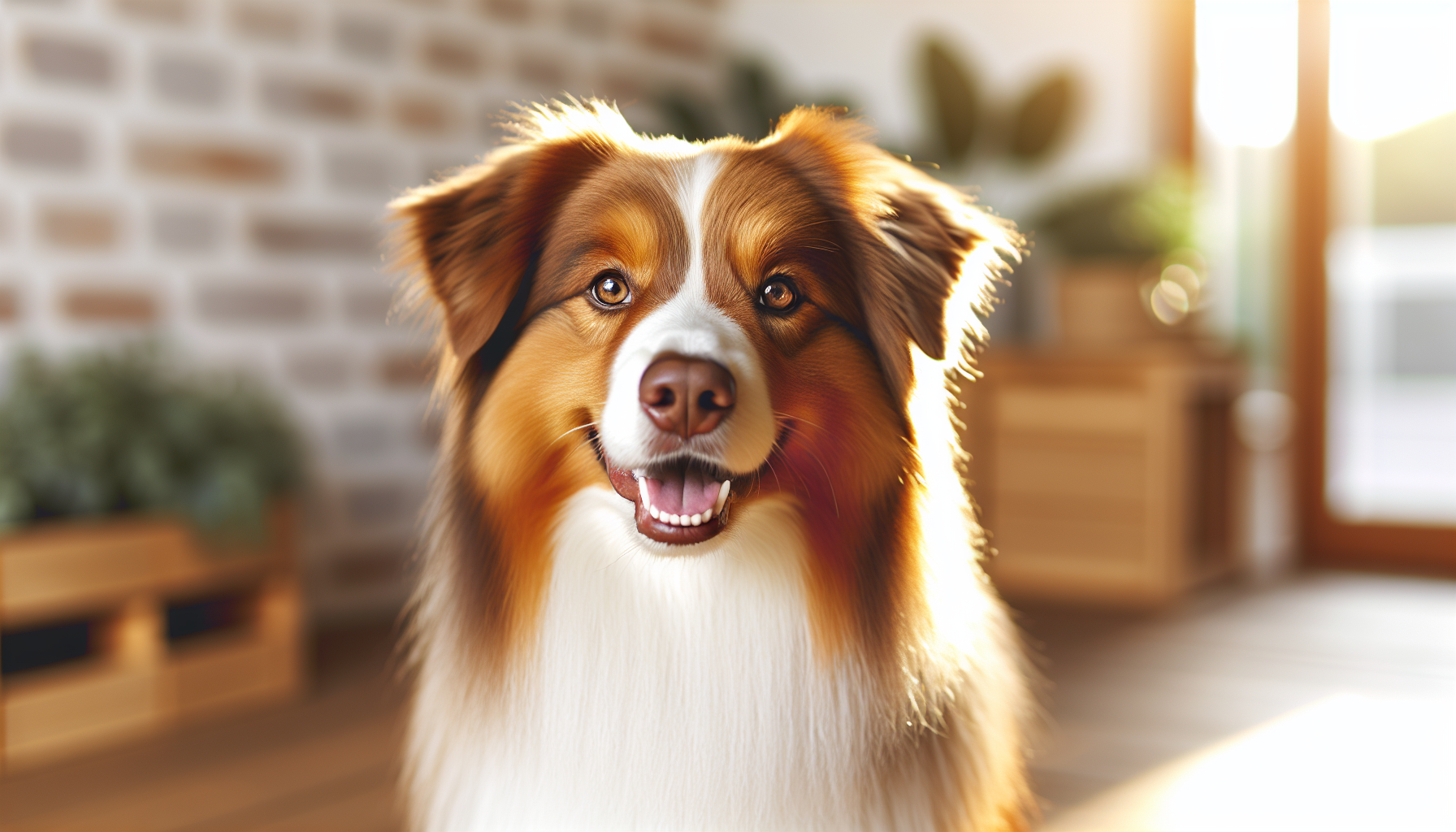
The Australian Shepherd is one of America’s most beloved working breeds — a tireless, brilliantly intelligent herding dog wrapped in a stunning, often multicolored coat. Whether you’re drawn to the Aussie’s striking merle patterns, their almost eerie ability to anticipate your next move, or their boundless enthusiasm for literally everything, one thing is certain: life with an Australian Shepherd is never boring. This guide covers everything you need to know before bringing one home, and everything you’ll want to know once you do.
Breed Overview

Photo by Roman Biernacki via Pexels
Here’s a quick snapshot of the Australian Shepherd so you can see at a glance whether this breed fits your lifestyle.
| Characteristic | Details |
|---|---|
| Other Names | Aussie, Australian Shepherd Dog |
| Origin | United States (despite the name) |
| Breed Group | Herding Group (AKC) |
| Size | Medium |
| Weight | 40–65 lbs (males); 35–55 lbs (females) |
| Height | 20–23 inches (males); 18–21 inches (females) |
| Lifespan | 12–15 years |
| Temperament | Intelligent, energetic, loyal, playful, protective |
| Energy Level | Very High |
| Shedding | Moderate to Heavy (seasonal) |
| Trainability | Excellent — among the easiest breeds to train |
| Good With Kids | Yes, especially with early socialization |
| Good With Other Dogs | Generally yes, with proper introduction |
| Apartment Friendly | Not ideal — needs space and vigorous exercise |
| Hypoallergenic | No |
History & Origin

Photo by Jametlene Reskp on Unsplash
Despite the name, the Australian Shepherd did not originate in Australia. The breed’s true roots are a fascinating cross-continental story that begins in the Basque region of the Pyrenees Mountains, between modern-day Spain and France. Basque shepherds developed highly skilled herding dogs for managing sheep in rugged terrain, and when many of these shepherds emigrated to Australia in the 1800s, they brought their dogs with them. Australian ranchers refined the breed further by crossing it with Collies and Border Collies, which is how the “Australian” label likely stuck — American ranchers encountered the dogs coming off ships from Australia and simply called them Australian Shepherds.
The breed truly came into its own in the American West during the late 19th and early 20th centuries. Ranchers in California, Colorado, and Wyoming prized the Aussie’s unmatched work ethic, ability to handle large flocks of sheep and cattle in harsh conditions, and an almost supernatural capacity to read livestock behavior. The breed was formally recognized by the American Kennel Club (AKC) in 1991, though working Aussies had been a staple of the American agricultural landscape for well over a century before that.
The breed gained even wider public attention through rodeos in the mid-20th century, where Jay Sisler’s performing Aussies dazzled crowds with their acrobatic trick work — a testament to just how trainable and agile the breed really is. Today, Australian Shepherds remain among the most popular breeds in the United States, consistently ranking in the AKC’s top 15.
Appearance & Size

Photo by Cihan Çimen via Pexels
One of the most visually striking aspects of the Australian Shepherd is the sheer variety of their appearance. While there are breed standards, no two Aussies look exactly alike, and that’s part of the appeal.
Size
The Australian Shepherd is a medium-sized dog with an athletic, well-balanced build that reflects their working heritage. Males typically stand 20–23 inches at the shoulder and weigh 50–65 pounds. Females are slightly smaller at 18–21 inches and 35–55 pounds. They are lean and muscular — built for endurance and agility rather than raw bulk.
Coat
The Aussie has a medium-length double coat. The outer coat is straight to wavy, moderately coarse, and weather-resistant. The undercoat varies in density depending on the climate. Their coat features feathering on the backs of the legs and a well-developed mane and frill around the neck and chest. The tail is naturally bobbed in some individuals — a trait that has been selectively maintained in the breed and is acceptable under the breed standard.
Colors and Patterns
Australian Shepherds come in four officially recognized base colors:
- Blue Merle — a mottled gray and black pattern, often with white and copper markings
- Red Merle — a mottled red and cream pattern, often with white and copper markings
- Black — solid black with white and/or copper trim
- Red (Liver) — a warm reddish-brown with white and/or copper trim
The merle patterns create that signature “paint splash” look that many people find irresistible. It’s important to note that merle-to-merle breeding can produce “double merle” puppies, which carry a significant risk of blindness and deafness — a major reason why responsible breeding practices matter so much in this breed.
Eyes
Perhaps the most captivating feature of the Aussie’s face is their eyes. They can be blue, brown, amber, or any combination — including being two different colors (heterochromia) or even having multiple colors within a single eye (sectoral heterochromia). It’s common to see an Aussie with one icy blue eye and one rich amber eye, and it’s every bit as striking as it sounds.
Temperament & Personality

Photo by Bastian Pudill on Unsplash
If you want a dog that will challenge you, engage you, follow you from room to room, and look at you like you hung the moon — the Australian Shepherd might be your perfect match. But it’s also a breed that demands a great deal from its owners in return.
Intelligence and Drive
Aussies are ranked among the most intelligent dog breeds in the world. This isn’t just about being easy to train — it’s about having a dog with an active, working mind that needs constant stimulation. An under-stimulated Aussie will find ways to entertain themselves, and those ways rarely align with what you’d prefer. Destructive chewing, excessive barking, obsessive behaviors, and fence-jumping are common complaints from owners who underestimate this breed’s mental needs.
Loyalty and Bonding
Australian Shepherds form incredibly deep bonds with their families. They are devoted to “their people” in a way that can border on velcro-dog territory. They tend to pick a primary person to shadow but will be affectionate and engaged with the whole family. This loyalty also means they can be wary of strangers and may exhibit reserved or protective behavior with people they don’t know — a trait that, without proper socialization, can tip into nervousness or over-guarding.
Herding Instincts
This is a working breed with thousands of generations of herding instinct baked into their DNA. Many Aussies will attempt to “herd” children, other pets, or even adults by nudging, circling, or nipping at heels. This is not aggression — it’s their job description. Managing this instinct through training and appropriate outlets is an important part of Aussie ownership.
Energy and Enthusiasm
There is no “off switch” on a young Australian Shepherd. They approach everything — walks, play sessions, training, snuggling — with full-throttle enthusiasm. This makes them wonderful companions for active families and a handful for anyone who expected a moderately energetic dog. They typically mellow slightly as they mature, but an Aussie at 7 or 8 years old is still likely to outlast most of their owners at the park.
Good With Kids and Other Pets
With proper socialization, Aussies can be wonderful family dogs. Their herding instinct means young children should always be supervised — an Aussie might attempt to “round up” a running toddler. They generally get along well with other dogs and can live harmoniously with cats if introduced early. Their natural prey drive is moderate, so small animals like rabbits or guinea pigs should always be monitored.
Training & Intelligence

Photo by Plato Terentev via Pexels
Training an Australian Shepherd is one of the genuine joys of dog ownership — if you put in the work. These dogs are not just obedient; they are collaborative partners who genuinely enjoy the training process. The AKC recommends starting obedience training and socialization as early as 7–8 weeks of age, and with Aussies, earlier is always better.
Learning Speed
Aussies are exceptional learners. They can pick up a new command in as few as 5 repetitions and reliably perform known commands with 95% accuracy, placing them in the top tier of canine intelligence according to Stanley Coren’s classic research on dog intelligence rankings. They excel at obedience, agility, flyball, disc dog, herding trials, search and rescue, and therapy work.
Training Challenges
The flip side of that extraordinary intelligence is that Aussies get bored quickly. Repetitive drills will cause them to mentally check out or develop workarounds. They also have a tendency to be “too smart for their own good” — figuring out how to open gates, escape enclosures, or manipulate their owners if boundaries aren’t clearly established. Consistency is absolutely critical.
Some Aussies can also develop what trainers call “noise sensitivity” or “herding fixation” — becoming obsessed with moving objects like bike wheels, joggers, or laser pointers. These behaviors can escalate into compulsive patterns if not managed early.
Recommended Training Methods
Positive reinforcement training — rewarding desired behaviors with treats, praise, or play — is the gold standard for Aussies. They are sensitive dogs who respond poorly to harsh corrections or punishment-based training. Short, varied, upbeat training sessions (10–15 minutes) are far more effective than long, repetitive ones. Mental enrichment toys, puzzle feeders, and sport training (agility, herding, nose work) are excellent supplements to basic obedience.
Exercise & Activity Needs

Photo by Cezar Sampaio on Unsplash
If you take nothing else from this guide, remember this: the Australian Shepherd is a working dog, and they need to work. The minimum recommended exercise for an adult Aussie is 1.5–2 hours of vigorous physical activity per day — and that’s a floor, not a ceiling.
Daily Exercise Requirements
A brisk walk around the block twice a day will not satisfy an Australian Shepherd. This breed needs sustained aerobic exercise: running, hiking, fetch, frisbee, swimming, or off-leash play in a securely fenced yard. Many Aussie owners become runners, cyclists, or hikers specifically because their dog demands it — which is a genuine lifestyle benefit if you’re already active, and a significant commitment if you’re not.
Mental Exercise Is Just as Important
Physical exercise alone won’t tire out a truly intelligent dog. A 10-minute training session can be as mentally exhausting for an Aussie as a 30-minute run. Combining physical and mental exercise — like scent work during a hike, or agility training in the backyard — gives you the most return on your time investment.
Best Activities for Aussies
- Agility — the perfect combination of athleticism and mental problem-solving
- Frisbee / Disc Dog — builds on their natural athleticism and love of chasing
- Flyball — great for high-drive dogs who love speed and teamwork
- Herding Trials — taps into their deepest instincts in a controlled, positive setting
- Hiking and Trail Running — excellent endurance exercise for active owners
- Obedience and Rally — structured mental challenge with a competitive element
If you enjoy an active outdoor lifestyle, you’ll find the Aussie to be one of the most rewarding adventure companions of any breed. They also do well alongside other high-energy breeds — if you’re curious how the Aussie compares to another energetic working dog, take a look at our Complete Siberian Husky Guide.
Grooming Requirements

Photo by ROMAN ODINTSOV via Pexels
The Australian Shepherd’s beautiful double coat requires regular maintenance — not obsessive, but certainly more than a low-maintenance breed. Understanding their shedding patterns and having the right tools makes a real difference.
Brushing
Aussies should be brushed 2–3 times per week at minimum, and daily during the two major shedding seasons (spring and fall). Their double coat can mat behind the ears, under the “armpits,” and around the collar area. A slicker brush handles surface tangles well, while an undercoat rake or de-shedding tool is essential for managing the dense undercoat.
Furminator Undercoat Deshedding Tool for Dogs
Specifically designed to remove loose undercoat fur without damaging the topcoat — essential for double-coated breeds like the Aussie.
Bathing
Aussies generally need a bath every 4–6 weeks, or when they get genuinely dirty. Their water-resistant outer coat repels a surprising amount of mud and debris, so they often look cleaner than they are. Always use a dog-specific shampoo to preserve coat oils, and be sure to dry the undercoat thoroughly — leaving a dense double coat damp can lead to skin irritation and “hot spots.”
Ears
Australian Shepherds have floppy ears that restrict airflow, creating conditions where moisture and debris can accumulate. Check and clean ears weekly using a vet-approved ear cleaning solution. Watch for signs of infection: redness, odor, head shaking, or excessive scratching at the ears.
Nails and Teeth
Nails should be trimmed every 3–4 weeks. If you can hear them clicking on hard floors, they’re too long. Dental health is important for all dogs — the AVMA recommends brushing your dog’s teeth daily, though several times per week is a realistic goal for most owners. Dental chews and water additives can supplement brushing.
Professional Grooming
Many Aussie owners take their dogs to a professional groomer every 8–12 weeks for a thorough bath, blow-dry, ear cleaning, nail trim, and trim of the paw pads and sanitary areas. Some owners opt for a “summer trim” to reduce coat volume in hot climates, though it’s worth knowing that shaving a double coat can disrupt natural insulation and is generally not recommended by most breed experts.
Health & Lifespan

Photo by Leslie Ellis on Unsplash
The Australian Shepherd is generally a robust, healthy breed with a lifespan of 12–15 years — longer than many dogs of comparable size. That said, like all purebred dogs, they are predisposed to certain genetic health conditions that every prospective owner should understand.
MDR1 / ABCB1 Gene Mutation
This is perhaps the most important health topic for Aussie owners to know about. A significant percentage of Australian Shepherds carry a mutation in the MDR1 (multi-drug resistance) gene, now designated ABCB1. This mutation makes affected dogs hypersensitive to certain common medications — including ivermectin (found in some heartworm preventatives), loperamide (Imodium), and several chemotherapy drugs. Administering these drugs to an MDR1-affected dog can cause severe neurological toxicity or death.
Testing for the MDR1 mutation is widely available and strongly recommended. The VCA Hospitals provide an excellent overview of which drugs are affected and how to manage care for MDR1-positive dogs. Always tell your veterinarian if your Aussie has not been tested, and request MDR1-safe alternatives when medication is needed.
Hip Dysplasia
A common concern in medium and large breeds, hip dysplasia occurs when the hip joint doesn’t develop properly, leading to arthritis and pain. Reputable breeders screen breeding stock with OFA (Orthopedic Foundation for Animals) hip evaluations. Maintaining a healthy weight, appropriate exercise (especially during puppyhood), and omega-3 supplementation can help manage risk.
Progressive Retinal Atrophy (PRA)
PRA is a group of inherited eye diseases that cause the gradual deterioration of the retina, eventually leading to blindness. There is no cure, but DNA testing can identify carriers. The CAER (Companion Animal Eye Registry) exam is recommended annually for breeding dogs.
Epilepsy
Australian Shepherds have a higher-than-average rate of idiopathic epilepsy compared to the general dog population. Seizures typically appear between 1 and 3 years of age. Most epileptic Aussies can be managed well with medication and live full, comfortable lives, but it requires ongoing veterinary care and monitoring.
Hereditary Cataracts
Juvenile hereditary cataracts are seen in the breed and can lead to vision impairment at a relatively young age. Breeding dogs should have regular eye exams, and DNA testing is available for some forms of the condition.
Cancer
Like many breeds, Australian Shepherds have a meaningful risk of cancer as they age, though they are not among the highest-risk breeds. Hemangiosarcoma and lymphoma are among the more commonly reported cancers. Regular veterinary wellness exams and owner vigilance for unusual lumps, weight loss, or behavioral changes are the best early detection tools.
Recommended Health Screening
According to the AKC Canine Health Information Center (CHIC), recommended health tests for Australian Shepherds include hip evaluation, ophthalmologist evaluation, and MDR1 DNA testing. Puppies from health-tested parents have significantly better odds of a long, healthy life.
Vet Visit Schedule
- Puppies: Every 3–4 weeks until 16 weeks for vaccinations and wellness checks
- Adults (1–7 years): Annual wellness exam
- Seniors (7+ years): Biannual exams to catch age-related conditions early
Nutrition & Feeding

Photo by Omar Tapia via Pexels
Feeding an Australian Shepherd well is straightforward once you understand the basic principles. This is an active, athletic breed with genuine nutritional needs that differ from a couch-dwelling companion dog.
Caloric Needs
An active adult Aussie typically needs 1,400–1,800 calories per day, though this varies significantly based on age, activity level, and individual metabolism. Working Aussies who spend hours herding livestock may need considerably more. Always follow the guidelines on your specific food packaging as a starting point, and adjust based on body condition — you should be able to feel (but not prominently see) your dog’s ribs.
Choosing the Right Food
Look for a high-quality commercial dog food that lists a named animal protein (chicken, beef, salmon, lamb) as the first ingredient. The AVMA recommends foods that meet AAFCO (Association of American Feed Control Officials) nutritional standards for your dog’s life stage. For active Aussies, foods formulated for “active” or “all life stages” adult dogs generally provide appropriate protein (minimum 22–25%) and fat (minimum 12–15%) levels.
Life Stage Feeding
- Puppies (under 12 months): Feed a large-breed puppy formula 3 times daily. Controlled growth is important — rapid growth can contribute to joint problems.
- Adults (1–7 years): Feed twice daily. Avoid free-feeding to prevent weight gain and bloat.
- Seniors (7+ years): Transition to a senior formula with joint support (glucosamine/chondroitin) and adjusted calorie levels.
Food Sensitivities
Aussies don’t have a breed-specific food allergy profile, but individual dogs can develop sensitivities to common proteins (chicken, beef) or grains. Signs of food sensitivity include chronic ear infections, itchy skin, loose stools, or excessive paw licking. An elimination diet trial, guided by your veterinarian, is the gold standard for identifying food sensitivities.
Purina Pro Plan Sport Active 30/20 Chicken and Rice Formula
Formulated for highly active dogs with 30% protein and 20% fat to fuel the energy demands of working and sport breeds like Australian Shepherds.
Omega-3 Fatty Acids
Fish oil supplementation is widely recommended for Aussies to support skin and coat health, joint function, and cognitive performance. Look for products standardized to EPA and DHA content. As always, discuss any supplementation with your veterinarian for appropriate dosing.
Is an Australian Shepherd Right for You?

Photo by hayleigh b on Unsplash
The Australian Shepherd is genuinely one of the most rewarding dog breeds you can share your life with — but only if you’re the right match. Being honest about your lifestyle before falling for those merle eyes is an act of kindness to both yourself and the dog.
The Aussie Might Be Your Perfect Dog If You…
- Lead an active lifestyle and want a dog who will keep up with you on runs, hikes, or bike rides
- Have experience with dogs and understand the needs of working breeds
- Have time to dedicate to daily training and mental enrichment
- Have a securely fenced yard where the dog can run freely
- Want a deeply loyal, attentive companion who will be “your person’s dog”
- Are interested in dog sports, agility, or other competitive activities
- Have children who are old enough to understand respectful interaction with dogs
An Aussie Might Not Be the Right Fit If You…
- Work long hours away from home and cannot provide daytime enrichment
- Live in a small apartment without easy access to large outdoor spaces
- Prefer a relaxed, low-maintenance dog
- Are a first-time dog owner without a plan for consistent training
- Have very young children who may trigger the herding instinct
- Are sensitive to dog hair on furniture and clothing
- Travel frequently without the ability to bring your dog
Adoption vs. Breeder
Australian Shepherds are one of the most common breeds to end up in rescue — largely because well-meaning owners underestimated their needs. If you’re open to adoption, organizations like the Australian Shepherd Club of America (ASCA) rescue network and breed-specific rescues are an excellent place to start. If you choose a breeder, look for one who health-tests all breeding stock, welcomes questions, and doesn’t have puppies always available. A good breeder will also ask you difficult questions about your lifestyle — and that’s a very good sign.
Frequently Asked Questions
Are Australian Shepherds good family dogs?
Yes — with the right family. Aussies are loving, loyal, and playful with children they’re raised alongside, and they tend to be protective of their family unit. However, their herding instinct means they may try to “herd” young children by nipping at heels, and their high energy level can be overwhelming for families with toddlers. Early socialization, consistent training, and supervised interactions are essential. Families who hike, play outdoors regularly, and have time to engage with the dog daily will find the Aussie to be an exceptional family companion.
How much exercise does an Australian Shepherd need per day?
A healthy adult Australian Shepherd needs a minimum of 1.5–2 hours of vigorous exercise per day, plus mental stimulation through training, puzzle toys, or sport activities. This isn’t just a casual stroll — think running, fetching, agility work, or off-leash trail time. Puppies should have exercise managed more carefully to protect developing joints, and senior Aussies may need less intensity but still benefit from regular daily movement. Consistently under-exercised Aussies are prone to destructive behavior, anxiety, and obsessive tendencies.
Do Australian Shepherds shed a lot?
Yes, they do. The Australian Shepherd has a medium-length double coat that sheds moderately year-round and heavily during the two annual “blow coat” seasons in spring and fall. During these times, daily brushing is almost mandatory to manage the volume of loose fur. A high-quality undercoat rake or de-shedding tool makes a significant difference. Regular professional grooming sessions can also help manage coat health and shedding volume. If dog hair on your furniture and clothing is a dealbreaker, the Aussie is probably not the breed for you.
What is the MDR1 mutation in Australian Shepherds?
The MDR1 (ABCB1) gene mutation is a genetic variant found in a significant percentage of Australian Shepherds that causes hypersensitivity to certain common medications, including some antiparasitic drugs (like ivermectin in high doses), anti-diarrheal medications, and some chemotherapy agents. In affected dogs, these drugs can cross the blood-brain barrier and cause severe neurological reactions that can be fatal. DNA testing for MDR1 is widely available, inexpensive, and strongly recommended for all Aussies. Always inform your veterinarian of your dog’s MDR1 status before any medication is prescribed.
Are Australian Shepherds easy to train?
Australian Shepherds are among the easiest breeds in the world to train in terms of raw intelligence and desire to work with their handler. They pick up new commands quickly, have excellent focus, and genuinely enjoy the training process. The challenge isn’t aptitude — it’s keeping them engaged. Aussies get bored with repetitive drills and will find creative ways to “opt out” if training becomes tedious. Short, varied, positive reinforcement-based sessions work best. Without consistent training and mental stimulation, their intelligence works against you as they find their own (often destructive) ways to entertain themselves.
