Golden Retriever Aging: 5 Key Traits of Senior Dogs & How to Care for Them
There’s something quietly beautiful about watching a Golden Retriever grow older. The gray muzzle, the slower morning stretches, the way they still wag their tail at the sight of you — just a little more gently than before. If your Golden is entering their senior years, you already know how much they mean to you. And that’s exactly why understanding what’s happening with their body and mind matters so much.
Golden Retrievers typically live between 10 to 12 years, and most are considered “senior” from around age 7 or 8 onward. Those later years bring real changes — physical, cognitive, and emotional — and the owners who recognize them early are the ones who can make the biggest difference in their dog’s comfort and quality of life.
This guide walks you through the five most significant traits of aging Golden Retrievers, what the science says about each one, and practical steps you can take right now to help your dog thrive. Whether your Golden just turned seven or is approaching twelve, there’s something here for you.
Quick Snapshot: When Is a Golden Retriever Considered “Senior”?
Most veterinarians classify Golden Retrievers as senior dogs at around 7 to 8 years of age. At this stage, more frequent vet check-ups (every 6 months instead of annually) are typically recommended to catch age-related changes early.
Understanding the Golden Retriever Aging Timeline

Photo by Eylül Kuşdili via Pexels
Before diving into the five key traits, it helps to understand the broader picture of how Golden Retrievers age. Like all large breeds, they tend to age faster than smaller dogs. According to the American Kennel Club, Golden Retrievers have an average lifespan of 10–12 years, though genetics, diet, environment, and veterinary care all play significant roles in longevity.
Here’s a quick breakdown of the key life stages:
| Life Stage | Age Range | Key Characteristics |
|---|---|---|
| Puppy | 0–1 year | High energy, rapid growth, socialization critical |
| Adolescent | 1–2 years | Hormonal changes, testing boundaries, continued training |
| Adult | 2–7 years | Peak physical health, stable temperament, consistent energy |
| Senior | 7–10 years | Slowing metabolism, joint changes, behavioral shifts |
| Geriatric | 10+ years | Significant health monitoring needed, comfort-focused care |
If you want a deeper look at the breed’s full profile — including temperament, training, and general health — our Golden Retriever Dog Breed Guide is a great place to start.
Trait #1: Physical Decline and Common Health Issues

Photo by Rakhima Khodjakbarova via Pexels
Joint Problems Are the Norm, Not the Exception
One of the most consistent traits of aging Golden Retrievers is a decline in joint health. Hip dysplasia affects approximately 20% of the breed, and arthritis is even more widespread — research suggests it affects up to 60% of senior dogs across all breeds. In Goldens, who are larger and more physically active throughout their lives, joint wear can be significant.
Signs to watch for include:
- Reluctance to climb stairs or jump into the car
- Stiffness after resting, especially in the morning
- Limping or favoring one leg
- Decreased enthusiasm for walks or play
- Licking or chewing at joints
Heart Disease and Other Age-Related Conditions
Cardiovascular health is another concern. Heart disease affects an estimated 10–20% of aging Golden Retrievers, and regular cardiac screenings can help catch problems early. Your vet may recommend chest X-rays or echocardiograms as part of routine senior care.
It’s also worth knowing that Golden Retrievers have an unusually high rate of cancer compared to other breeds. Studies have found that over 60% of Golden Retrievers may develop some form of cancer in their lifetime. If you haven’t already, reading our detailed guide on Golden Retriever Cancer: Risks, Warning Signs & Prevention is well worth your time — early detection genuinely saves lives.
Vet Tip: Once your Golden reaches age 7, ask your vet about switching to biannual wellness exams. Routine blood panels, urinalysis, and joint evaluations at every visit can catch issues before they become serious problems.
Orthopedic Dog Bed for Large Breeds
A supportive memory foam bed can relieve pressure on aging joints and help your senior Golden get better rest — look for one with a washable, waterproof cover.
Trait #2: Changes in Appearance

Photo by Barnabas Davoti via Pexels
The Gray Muzzle and Beyond
Most Golden Retriever owners first notice aging through changes in their dog’s appearance. The classic sign is graying around the muzzle and eyes, which can begin as early as age 5 in some dogs. Beyond coat color, you may also notice:
- Thinning fur: The lush, feathery coat that Goldens are famous for may become less dense or lose some of its shine
- Muscle loss (sarcopenia): Reduced physical activity and hormonal changes can lead to visible muscle atrophy, particularly over the hindquarters
- Weight fluctuations: Some seniors gain weight due to a slower metabolism; others lose weight unexpectedly, which warrants a vet visit
- Lumps and bumps: Lipomas (benign fatty tumors) become more common with age — always have new lumps checked by your vet
Good grooming remains important in the senior years, even if your dog is less active. Keeping that beautiful coat clean, brushed, and tangle-free helps prevent skin issues and gives you a chance to notice any new lumps, sores, or coat changes. Check out our guide to Golden Retriever Feathering Care for tips on maintaining that gorgeous coat as your dog ages.
Trait #3: Shifting Nutritional Needs
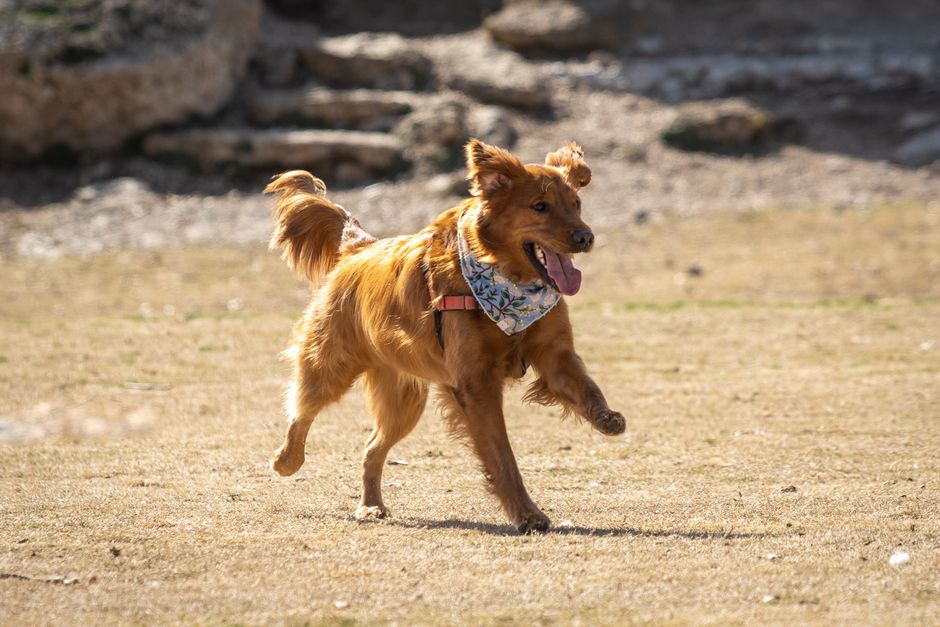
Photo by Charles McKeever via Pexels
Senior Dogs Need a Different Diet
As Golden Retrievers age, their metabolism slows and their nutritional requirements change in meaningful ways. A diet designed for an active adult dog may lead to weight gain in a senior who’s less active — but simply reducing food isn’t always the right answer either, since muscle maintenance requires adequate protein.
Here’s what senior Golden Retriever nutrition generally looks like:
| Nutrient | Why It Matters for Seniors | What to Look For |
|---|---|---|
| Protein | Supports muscle maintenance as muscle mass naturally declines | High-quality animal protein as the first ingredient |
| Fat | Lower caloric needs mean fat should be moderated | Look for senior formulas with reduced fat content |
| Fiber | Supports digestive health, which can slow with age | Beet pulp, pumpkin, or chicory root in ingredient list |
| Glucosamine & Chondroitin | Supports joint health and cartilage | Often added to senior formulas; also available as supplements |
| Omega-3 Fatty Acids | Reduces inflammation, supports coat, brain, and heart health | Fish oil supplements or foods with salmon/sardines |
| Antioxidants | Supports immune function and cognitive health | Vitamins C & E, blueberries, spinach in ingredients |
Supplements like glucosamine and omega-3 fatty acids are often recommended by vets for senior Goldens, and the evidence supports their use for joint health. A study published on PubMed found that omega-3 supplementation reduced inflammation markers in dogs with osteoarthritis. Always discuss supplement additions with your vet before starting.
For a full breakdown of the best food options for Goldens at every life stage, our Best Food for Golden Retrievers guide has you covered.
Joint Support Supplement for Dogs
A daily glucosamine and chondroitin supplement can help slow cartilage breakdown and ease discomfort in senior Golden Retrievers with arthritis.
Trait #4: Cognitive Changes and Behavioral Shifts

Cognitive Dysfunction Syndrome (CDS): The Canine Equivalent of Dementia
One of the less visible but most significant changes in aging Golden Retrievers is the potential development of Cognitive Dysfunction Syndrome (CDS). Similar to Alzheimer’s disease in humans, CDS involves a progressive decline in brain function that affects memory, awareness, and behavior.
According to research cited by VCA Animal Hospitals, CDS is estimated to affect 14–35% of senior dogs, and it’s likely underdiagnosed because owners often attribute the symptoms to “just getting old.”
The classic signs of CDS can be remembered using the acronym DISHA:
- D — Disorientation (getting lost in familiar spaces, staring at walls)
- I — Interaction changes (less interest in family members, increased clinginess, or withdrawal)
- S — Sleep-wake cycle changes (restless at night, sleepy during the day)
- H — House soiling (accidents despite being previously house-trained)
- A — Activity level changes (less playful, less curious, repetitive pacing)
If you notice two or more of these symptoms, bring it up with your vet. There are medications (such as selegiline) and dietary strategies that can help slow progression and manage symptoms.
Increased Anxiety and Social Sensitivity
Beyond CDS, senior Goldens may develop heightened anxiety — particularly around loud noises, changes in routine, or new environments. Dogs that were once easygoing may become more reactive or clingy. This is a neurological and hormonal reality, not a behavioral failure.
Strategies that help:
- Maintaining consistent daily routines
- Providing a quiet, dedicated rest space away from household chaos
- Using calming aids (ask your vet about supplements or pheromone diffusers)
- Gentle reinforcement — never punish anxious behaviors
- Keeping mental stimulation going with puzzle feeders and gentle training games
Changes in Activity Levels
It would be a mistake to simply stop exercising a senior Golden because they seem slower. Moderate, consistent physical activity is actually one of the best tools you have for maintaining their joint health, healthy weight, and mental wellbeing. The key is adjusting the intensity and duration.
Good low-impact activities for senior Goldens include:
- Short, frequent walks (15–20 minutes, 2–3 times daily, rather than one long outing)
- Swimming — this is genuinely ideal for Goldens with joint issues, as it provides a full-body workout with zero impact. It’s worth noting that Golden Retrievers are naturally gifted swimmers, which you can read more about in our piece on Can Golden Retrievers Swim?
- Gentle fetch on soft surfaces like grass
- Scent games and nose work — mentally tiring without being physically demanding
Trait #5: Heightened Emotional Sensitivity and Bonding Needs

Photo by Andrew Patrick Photo via Pexels
Your Senior Golden Needs You More Than Ever
Perhaps the most underappreciated trait of aging Golden Retrievers is their increased emotional sensitivity. As their senses dull, their world gets a little smaller — and you become an even more important anchor in it. Many owners report that their senior Goldens become more affectionate and “velcro-like,” following them from room to room and seeking more physical closeness.
This is a gift, honestly. Lean into it. Simple things matter enormously:
- Daily grooming sessions — not just for coat health, but as bonding time
- Quiet cuddle time on the couch
- Talking to your dog — familiar voices are genuinely calming
- Maintaining the rituals your dog loves, even if adapted (a shorter walk is still a walk)
Making Your Home More Senior-Friendly
Small environmental changes can make a significant difference in your senior Golden’s comfort and confidence:
- Non-slip rugs or mats on hardwood or tile floors — slipping is a real fall risk for dogs with reduced muscle strength
- Orthopedic or memory foam bedding in a warm, draft-free spot
- Pet ramps or steps to help them access their favorite spots (sofa, bed, car)
- Raised food and water bowls to reduce neck strain during meals
- Night lights for dogs with reduced vision navigating the house after dark
- Baby gates to block off stairs if mobility is significantly compromised
End-of-Life Considerations: The Hardest Part of Loving a Dog

Photo by Barnabas Davoti via Pexels
No guide on senior Golden Retrievers would be honest without addressing end-of-life care. This is hard to read and hard to write, but it’s something every owner deserves to think about before they’re in the middle of a crisis.
Quality of life assessments can help you make difficult decisions with clarity and compassion. The HHHHHMM Scale (developed by Dr. Alice Villalobos) evaluates Hurt, Hunger, Hydration, Hygiene, Happiness, Mobility, and More good days than bad — and is widely used by veterinarians as a framework. You can discuss this scale directly with your vet.
Palliative care options — including pain management, anti-nausea medications, and hospice-style home care — have improved significantly and can meaningfully extend a dog’s comfortable, joyful days. When the time comes to consider euthanasia, know that choosing it with compassion is one of the most loving things an owner can do.
For Owners Who Are Struggling: Grief over a pet is real and valid. Organizations like the AVMA’s pet loss resources and breed-specific communities can connect you with others who understand exactly what you’re going through.
A Quick Summary: 5 Key Traits of Aging Golden Retrievers

Photo by Brigitte Pellerin via Pexels
- Physical decline — joint disease, heart issues, increased cancer risk
- Changes in appearance — graying coat, muscle loss, new lumps
- Shifting nutritional needs — senior diets, joint supplements, omega-3s
- Cognitive and behavioral changes — CDS, anxiety, reduced activity
- Heightened emotional sensitivity — stronger bonding needs, home adaptations
Frequently Asked Questions
At what age is a Golden Retriever considered a senior dog?
Most veterinarians consider Golden Retrievers to be senior dogs at around 7 to 8 years of age. Because larger breeds age faster than smaller ones, this threshold tends to come earlier than people expect. At this point, biannual vet check-ups are generally recommended instead of annual ones.
How do I know if my Golden Retriever has Cognitive Dysfunction Syndrome?
Look for signs in the DISHA framework: disorientation, changes in interactions with family, disrupted sleep patterns, house soiling accidents, and changes in activity level. If your dog shows two or more of these symptoms, schedule a vet visit. CDS is a clinical diagnosis, and there are treatment options that can help manage progression.
Should I change my senior Golden Retriever’s food?
Yes, in most cases. Senior dog formulas are typically lower in calories and fat while being higher in fiber and joint-supporting nutrients like glucosamine. However, seniors still need adequate protein to maintain muscle mass. Always discuss dietary changes with your vet, as the right approach depends on your individual dog’s weight, health conditions, and activity level.
Can senior Golden Retrievers still exercise?
Absolutely — and they should. Regular moderate exercise is one of the best things you can do for a senior Golden’s physical and mental health. The key is adjusting intensity and duration. Short, frequent walks, gentle swimming, and low-impact play are ideal. Avoid high-impact activities like jumping or rough play on hard surfaces, which stress aging joints.
What supplements are most helpful for aging Golden Retrievers?
The most commonly recommended supplements for senior Golden Retrievers are glucosamine and chondroitin (for joint support), omega-3 fatty acids (for inflammation, coat, and cognitive health), and antioxidants like vitamins C and E. Some vets also recommend probiotics for digestive health and medium-chain triglycerides (MCTs) for dogs showing signs of cognitive decline. Always check with your vet before adding supplements to your dog’s routine.

You Might Also Like

Best Harness for Golden Retrievers: Top 5 Picks for Comfort & Control
Find the best harness for your Golden Retriever in 2025. Expert picks for comfort, control & training — with sizing…

Best Wrinkle Wipes for French Bulldogs: Top 5 Picks to Keep Folds Clean & Healthy
Discover the best wrinkle wipes for French Bulldogs in 2025. Expert picks for sensitive skin, infections, and daily grooming —…

Best Brush for Golden Retrievers: Top 5 Picks for a Healthy, Tangle-Free Coat
Discover the best brushes for Golden Retrievers in 2025. Expert picks for shedding, matting & daily grooming — plus tips…