The Complete Great Dane Guide: Temperament, Care, Health & More
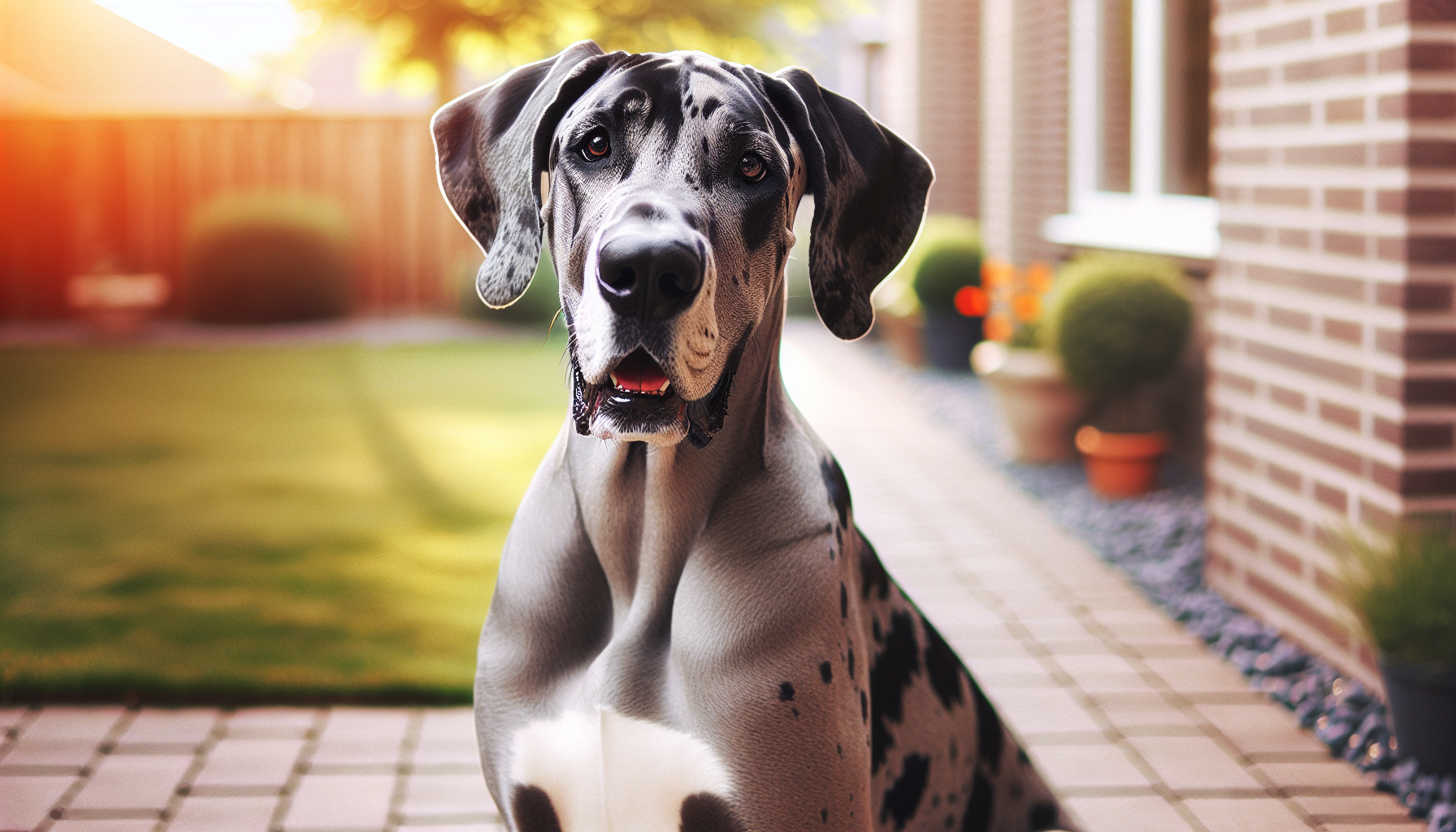
The Great Dane is one of the most instantly recognizable dogs on the planet — a towering, elegant giant that somehow manages to be both awe-inspiring and utterly goofy at the same time. Known affectionately as the “Apollo of Dogs,” this breed combines remarkable size with a surprisingly gentle and affectionate personality that wins over even the most skeptical first-time visitors. Whether you’re seriously considering adding one to your family or simply curious about what life with a small-horse-sized dog actually looks like, this guide covers everything you need to know.
Breed Overview

Photo by Rodrigo Pereira via Pexels
Before diving deep, here’s a quick-reference snapshot of the Great Dane to give you an at-a-glance understanding of what this breed is all about.
| Characteristic | Details |
|---|---|
| Origin | Germany |
| AKC Group | Working Group |
| Size | Giant |
| Height | 28–32+ inches at the shoulder |
| Weight | 110–175 lbs (males typically larger) |
| Lifespan | 7–10 years |
| Temperament | Friendly, patient, dependable, affectionate |
| Energy Level | Moderate |
| Shedding | Moderate |
| Trainability | High — eager to please but needs early training |
| Good With Kids | Yes, especially when socialized early |
| Good With Other Dogs | Generally yes, with proper socialization |
| Apartment Friendly | Possible with sufficient exercise, but challenging |
History & Origin

Photo by Ben Griffiths on Unsplash
Despite the name, the Great Dane is not Danish in origin — it’s thoroughly German. The breed’s history stretches back several centuries, and the story of how it got its misleading name is almost as interesting as the dog itself.
Large boarhounds resembling today’s Great Dane appear in ancient artwork from Egypt, Greece, and China, suggesting that big-boned, powerful dogs of this type have existed for thousands of years. However, the breed as we know it was developed and refined primarily in Germany, where these dogs were prized as elite boar hunters. Wild boar hunting in medieval Europe was extraordinarily dangerous work — boars are aggressive, tusked, and surprisingly fast — and the dogs bred for this task needed to be fearless, powerful, and fast. German nobility crossed Irish Wolfhounds with English Mastiffs over several generations to produce a dog that combined size and strength with enough agility to chase and hold a boar.
By the 17th and 18th centuries, these dogs had become status symbols among German aristocracy, pampered as chamber dogs that slept in their masters’ bedrooms on silken cushions. The shift from working hunter to beloved companion had begun. In 1876, Germany officially declared the breed their national dog and called it the Deutsche Dogge — German Mastiff. The name “Great Dane” (which likely originated from a French naturalist’s description of Danish dogs he observed during travels) stuck in English-speaking countries, even though it’s technically a misnomer.
The American Kennel Club recognized the Great Dane in 1887, and the breed has remained a consistently popular choice in the United States ever since. Today, it ranks comfortably within the top 20 most popular breeds in America — a remarkable achievement for a dog that requires so much space, food, and commitment.
Appearance & Size
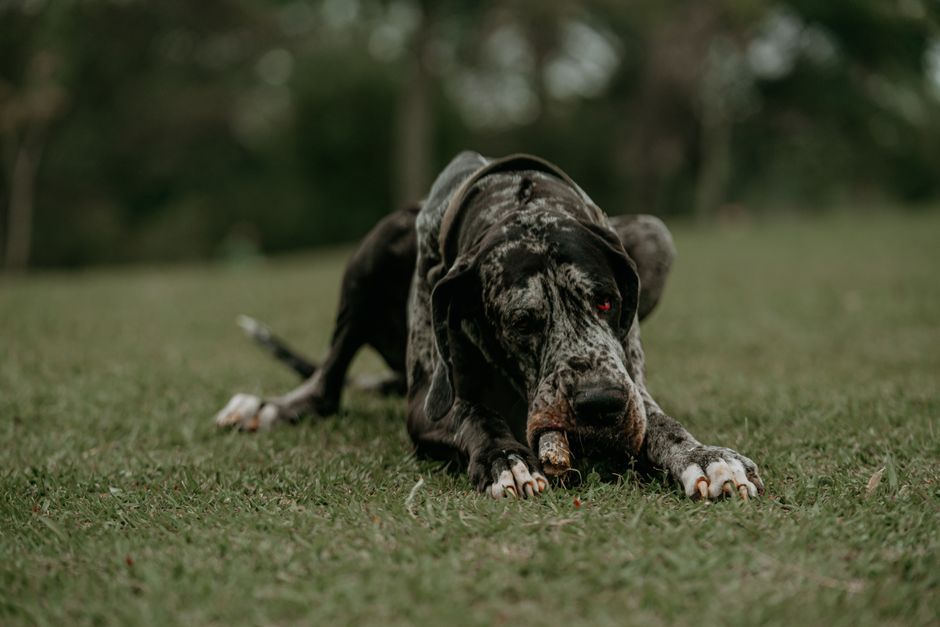
Photo by Làura Ronchinni via Pexels
The first time you stand next to a fully grown Great Dane, the experience is genuinely startling. These are enormous animals. Males typically stand at least 30 inches at the shoulder — with many reaching 32 to 34 inches — and weigh anywhere from 140 to 175 pounds. Females are somewhat smaller, usually between 28 and 30 inches tall and 110 to 140 pounds. The current world record for tallest dog ever recorded belongs to a Great Dane named Zeus, who measured an astounding 44 inches tall.
Despite this immense size, Great Danes carry themselves with genuine elegance. Their bodies are well-muscled and proportioned, with a deep chest, a strong, slightly arched neck, and a long, tapered head that gives them a refined, aristocratic expression. Their eyes are medium-sized, deep-set, and typically dark, conveying an alert but gentle intelligence. Their ears are medium-sized and fold forward naturally; historically, they were often cropped to stand erect, though this practice is increasingly rare and controversial today.
The Great Dane’s coat is short, thick, and smooth — easy to maintain but not entirely non-shedding. The breed comes in several officially recognized colors and patterns, including:
- Fawn: A golden-yellow with a black mask — perhaps the most classic and recognizable look (think Scooby-Doo)
- Brindle: Fawn base with dark tiger-stripe markings
- Blue: A striking steel-blue gray
- Black: Deep, glossy black
- Harlequin: White base with irregular black patches — one of the most visually striking coat patterns in all of dogdom
- Mantle: Black and white, resembling a blanket draped over the dog
- Merle: A gray, mottled pattern, increasingly recognized but historically controversial
Did You Know? Great Danes are one of the few breeds where the coat color can actually affect health outcomes. Merle and double-merle genetics are associated with higher rates of deafness and eye abnormalities. Always ask a breeder about the genetics behind any merle-patterned puppy.
Temperament & Personality

Photo by Ben Griffiths on Unsplash
If you expect a dog this large to be intimidating, aloof, or aggressive, the Great Dane will pleasantly surprise you. These dogs are often called “gentle giants” — and it’s not just marketing. The breed is genuinely known for its patience, affection, and warmth toward people. Great Danes are deeply loyal to their families and typically form strong bonds with every member of the household, including children.
One of the most endearing (and occasionally exasperating) qualities of Great Danes is that they seem to have no concept of their own size. It is entirely common for a 150-pound Great Dane to attempt to sit in your lap, lean their full weight against your legs, or wedge themselves between you and another family member on the couch. They crave closeness and do not do well when left alone for long periods. This is a breed that wants — and genuinely needs — to be part of daily family life.
Great Danes are also notably good watchdogs, not because they are aggressive, but because their sheer size and deep, resonant bark are enough to deter most would-be intruders. In reality, they’re more likely to try to make friends with a stranger than to protect the house through force. Their temperament is generally described as friendly and patient rather than territorial or dominant.
That said, socialization matters enormously with this breed. A poorly socialized Great Dane — one that has grown up fearful or anxious — can become a serious problem simply due to their physical mass. A 160-pound dog that is panicking, lunging, or acting out of fear is genuinely dangerous, regardless of intent. Early, consistent exposure to different people, animals, sounds, and environments is non-negotiable for this breed.
If you’re comparing giant breeds, you might find it helpful to look at our guides on breeds like the Rottweiler or the German Shepherd — both of which share some of the Great Dane’s loyalty and working-dog heritage but differ significantly in temperament and care needs.
Training & Intelligence

Photo by Hans Heemsbergen via Pexels
Great Danes are intelligent dogs that are generally eager to please, which makes them more trainable than their stubborn size might suggest. However, there’s a critical window that every Great Dane owner needs to understand: what is cute and manageable in a 20-pound puppy becomes a serious problem in a 150-pound adult. Training must begin the moment your Great Dane puppy comes home — not when they’re “a little older” or “when they calm down.”
Basic obedience — sit, stay, come, leave it, and loose-leash walking — should be priorities from day one. A Great Dane that pulls on the leash is not just annoying; it can knock adults off their feet and drag children across pavement. Invest time early, and you’ll be rewarded with a calm, responsive companion. Delay it, and you’ll spend years managing an enormous, well-meaning chaos machine.
Positive reinforcement is the method of choice for this breed. Great Danes are sensitive dogs that do not respond well to harsh corrections or punishment-based training. They can become anxious or shut down if trained with fear or force. Reward-based methods — treats, praise, and play — are far more effective and build the trusting relationship this breed thrives on.
Pro Tip: Enroll your Great Dane in a puppy obedience class as early as possible — ideally starting around 8 to 12 weeks old. The socialization alone is worth the cost, and you’ll get professional guidance on managing a giant breed through adolescence, which can be a particularly challenging phase.
Adolescence in Great Danes (roughly 6 months to 2 years) can be a humbling experience for owners. These dogs hit teenage gawkiness hard — they become forgetful, easily distracted, and temporarily seem to lose all the training you worked so hard to establish. Stay consistent. It passes.
Exercise & Activity Needs

Photo by Ben Griffiths on Unsplash
Given their size, many people assume Great Danes need enormous amounts of exercise. The reality is more nuanced — and actually more manageable than you might think. Great Danes have moderate energy levels and do not need hours of intense activity each day. What they do need is consistent, appropriate exercise that respects the unique vulnerabilities of their giant-breed body.
For adult Great Danes, two moderate walks per day — each around 30 to 45 minutes — plus some free play in a securely fenced yard is generally sufficient. They enjoy a good run but are not built for prolonged high-intensity activities like distance running or jumping agility courses.
Where Great Dane exercise gets complicated is during puppyhood. Giant-breed puppies have growth plates — areas of developing cartilage at the ends of bones — that don’t fully close until 18 to 24 months of age. Excessive or high-impact exercise during this period (running on hard surfaces, repetitive jumping, forced long runs) can cause permanent damage to developing joints. VCA Hospitals strongly recommends limiting strenuous exercise in large and giant breed puppies until skeletal maturity is confirmed.
During puppyhood, opt for free play on soft grass, short gentle walks, and mentally stimulating activities like puzzle toys and training sessions. Save the long hikes for when your veterinarian gives the all-clear, typically after 18 months.
Mental stimulation is just as important as physical exercise for this intelligent breed. A bored Great Dane can become destructive — and with the physical capabilities of this dog, “destructive” takes on a whole new meaning. Puzzle feeders, training games, and interactive play sessions help keep their minds engaged.
Grooming Requirements

Photo by Matheus Amaral via Pexels
If coat maintenance is a dealbreaker for you, the Great Dane is one of the easier giant breeds to manage. Their short, smooth coat requires relatively minimal grooming compared to breeds like the Golden Retriever or Siberian Husky.
Here’s what you need to stay on top of:
- Brushing: Weekly brushing with a rubber curry brush or grooming mitt is typically sufficient to manage shedding and keep the coat gleaming. During seasonal shedding periods (spring and fall), you may want to brush every few days.
- Bathing: Once every 6 to 8 weeks is usually enough, though this can vary based on how much outdoor time your dog gets. Use a dog-specific shampoo to protect skin and coat health.
- Nail Trimming: Great Dane nails grow quickly and need to be trimmed every 3 to 4 weeks. Overgrown nails on a dog this heavy can cause pain, gait problems, and joint issues over time. Many owners find professional grooming or vet nail trims worthwhile given the challenge of managing a large, potentially reluctant dog.
- Ear Cleaning: Check ears weekly for redness, odor, or debris. Clean gently with a vet-approved ear cleaner as needed. Dogs with naturally floppy ears can be more prone to moisture buildup and infection.
- Dental Care: Brush teeth at least 2 to 3 times per week — daily if possible. Dental disease is common in dogs and contributes to broader health problems. Start dental hygiene habits early so your Great Dane accepts it as routine.
- Drool Management: Let’s be honest — Great Danes drool. Some individuals drool more than others, but this is a reality of life with the breed. Keep a drool rag handy (Great Dane owners call it a “slime cloth”) and accept that your walls, furniture, and clothing will occasionally bear the evidence.
Zoom Groom or Similar Rubber Curry Brush
A gentle, effective grooming tool that removes loose hair and massages the Great Dane’s short coat without irritating sensitive skin
Health & Lifespan

Photo by Ben Griffiths on Unsplash
This is perhaps the most important section for prospective Great Dane owners to read carefully, because the health realities of this breed are significant and should factor heavily into your decision.
The average Great Dane lifespan is 7 to 10 years — on the shorter end for domestic dogs, though not unusual for giant breeds. Their compressed lifespan is one of the most emotionally difficult aspects of owning a Great Dane, and it’s something responsible breeders and owners discuss openly.
The major health concerns to be aware of include:
Bloat (Gastric Dilatation-Volvulus)
This is the single most serious and immediate health threat facing Great Danes. Bloat occurs when the stomach fills with gas and twists on itself (volvulus), cutting off blood supply and causing shock. It is life-threatening and can kill a dog within hours without emergency surgery. Great Danes have one of the highest rates of bloat of any breed — studies have estimated that up to 42% of Great Danes may experience GDV during their lifetime.
A prophylactic gastropexy (a surgical procedure that tacks the stomach to the abdominal wall to prevent twisting) is strongly recommended for Great Danes and is often performed during spay or neuter surgery. This does not prevent gas buildup but dramatically reduces the risk of the life-threatening twist. Discuss this with your veterinarian — many Great Dane owners consider it non-negotiable. (AVMA resource on GDV)
Signs of Bloat — Act Immediately: Unproductive retching (trying to vomit but nothing comes up), distended/swollen abdomen, restlessness, drooling, pale gums, and weakness. This is a veterinary emergency. Do not wait and see. Rush to an emergency animal hospital.
Heart Disease (Dilated Cardiomyopathy)
Great Danes are one of the breeds most commonly affected by dilated cardiomyopathy (DCM), a condition in which the heart muscle weakens and the heart enlarges, reducing its ability to pump blood effectively. DCM can lead to heart failure and sudden death. Regular cardiac screenings — especially as your dog ages — are critical. The American College of Veterinary Internal Medicine recommends annual cardiac evaluations for Great Danes starting at age 3.
Hip Dysplasia
Like many large breeds, Great Danes are prone to hip dysplasia — a malformation of the hip joint that leads to arthritis and pain over time. Responsible breeders screen breeding stock using OFA (Orthopedic Foundation for Animals) evaluations. Ask for proof of hip testing when purchasing a puppy.
Hypothyroidism
An underactive thyroid is relatively common in Great Danes and can cause weight gain, lethargy, skin problems, and coat changes. It’s manageable with daily medication once diagnosed.
Bone Cancer (Osteosarcoma)
Giant breeds have significantly higher rates of osteosarcoma than smaller dogs. This aggressive bone cancer most often affects the limbs and is unfortunately common in Great Danes. Watch for sudden lameness, swelling around a limb, or reluctance to bear weight.
Wobbler Syndrome (Cervical Spondylomyelopathy)
This neurological condition affects the cervical spine and can cause an unsteady, “wobbly” gait — particularly in the hindquarters. It’s associated with giant breed status and rapid growth, and may require surgery or long-term management.
Given this health profile, Great Dane owners should budget for:
- Annual vet exams (biannual for seniors)
- Routine cardiac and orthopedic screenings
- Pet insurance (highly recommended — emergency GDV surgery alone can cost $3,000 to $7,000+)
- Potential specialist visits (cardiologist, orthopedic specialist, neurologist)
Nutrition & Feeding

Photo by Anatolii Hrytsenko via Pexels
Feeding a Great Dane correctly is more complex than simply buying the largest bag of dog food you can find and pouring generously. Nutrition plays a direct role in this breed’s long-term health, from bone development to heart health to bloat risk.
Giant-Breed Puppy Food: Great Dane puppies must be fed a diet specifically formulated for large or giant breed puppies. Standard puppy foods are often too high in calcium, phosphorus, and calories for giant breeds, which can accelerate bone growth to an unhealthy rate and contribute to developmental orthopedic diseases. Look for foods that meet AAFCO standards for large/giant breed puppies specifically.
Portion Control and Feeding Schedule: Adult Great Danes typically eat 6 to 10 cups of high-quality dry kibble per day, divided into at least two meals. Never feed one large meal per day — this dramatically increases bloat risk. Three smaller meals is even better. Use a slow-feeder bowl to reduce the speed of eating, and avoid vigorous exercise for at least one hour before and after meals.
Elevated Food Bowls: The research on elevated feeders and bloat is genuinely mixed — some older studies suggested elevation reduced risk, while more recent research has suggested it may actually increase risk in some dogs. Discuss this with your veterinarian rather than assuming elevated bowls are automatically safer.
Protein and Fat Quality: Choose a food with a named animal protein (chicken, beef, lamb, fish) as the first ingredient. Avoid foods with excessive fillers, artificial preservatives, or vague protein sources like “meat meal.”
DCM and Grain-Free Diets: The FDA has been investigating a potential link between grain-free diets (particularly those high in legumes like peas and lentils) and dilated cardiomyopathy in dogs. Given that Great Danes are already predisposed to DCM, it is currently advisable to discuss diet choices carefully with your veterinarian before going grain-free. (FDA DCM Investigation)
Royal Canin Giant Adult or Similar Giant-Breed Formula
Precisely formulated for the unique nutritional needs of giant-breed dogs like Great Danes, with controlled minerals for joint and heart health
Is a Great Dane Right for You?

Photo by Ingo W. Dühring on Unsplash
Let’s be completely honest here, because the Great Dane is not the right dog for every home — and knowing that upfront saves heartbreak for both owners and dogs.
The Case For the Great Dane
- Exceptional temperament: If you want a loyal, affectionate, patient family companion, few breeds match the Great Dane’s warmth.
- Moderate exercise needs: Despite their size, they don’t require marathon training sessions — two solid daily walks suffice for most adults.
- Low grooming maintenance: Their short coat is genuinely easy to care for compared to many other breeds.
- Great with children: Patient and gentle, Great Danes can be wonderful family dogs — though supervision with very small children is always recommended given the size differential.
- Effective deterrent: Their size and bark alone discourage most intruders without requiring any aggression.
- Adaptable personality: Well-socialized Great Danes tend to be easygoing in a variety of environments.
The Case Against the Great Dane
- Short lifespan: Seven to ten years is not long, and the grief of losing a beloved giant breed dog is real and significant.
- Significant health costs: Between potential GDV emergencies, cardiac screenings, orthopedic issues, and cancer risks, Great Danes can be extremely expensive to maintain medically.
- Space requirements: A 160-pound dog needs room. Small apartments without nearby outdoor space are genuinely challenging.
- Destructive potential: A bored or under-exercised Great Dane can cause extraordinary damage simply due to their size and energy.
- Drool and space invasion: These are real quality-of-life considerations. Great Danes drool, shed, and physically occupy a tremendous amount of your couch, bed, and floor space.
- Cost: Feeding a Great Dane properly costs significantly more than feeding a smaller breed. Budget accordingly.
- Not suited to being alone: This breed needs companionship and does not thrive when left alone for long periods.
Best suited for: Families or individuals with space, time, emotional availability, and the financial means to provide proper veterinary care. People who want a close, affectionate canine companion and can handle the physical and practical realities of a giant breed. Experienced dog owners, though committed first-timers who do their homework can certainly succeed.
Less suited for: Very busy households where the dog will frequently be alone; small apartments without outdoor access; households with very young toddlers who could easily be knocked over; people on tight budgets who cannot accommodate potential veterinary emergencies.
Frequently Asked Questions
How long do Great Danes live?
Great Danes have an average lifespan of 7 to 10 years, which is shorter than many breeds but typical for giant breeds. Some individuals live to 12 or even 13 years with excellent care, though this is uncommon. Their shortened lifespan is one of the most emotionally difficult aspects of ownership, and it’s worth considering seriously before committing to the breed.
Are Great Danes good family dogs?
Yes — Great Danes are typically excellent family dogs. They are patient, affectionate, and gentle with children they know well. That said, their sheer size means they can accidentally knock over small children simply by turning around or wagging their tail. Always supervise interactions between Great Danes and very young children, and teach children how to interact respectfully with dogs of any size.
Do Great Danes need a lot of exercise?
Less than most people expect. Adult Great Danes do well with two moderate walks per day (30 to 45 minutes each) plus some free play. They are not marathon runners or high-intensity athletes. More importantly, Great Dane puppies should NOT be over-exercised — their growth plates are vulnerable until 18 to 24 months, and high-impact exercise can cause permanent joint damage.
Can Great Danes live in apartments?
It’s challenging but not impossible. Great Danes are actually calmer indoors than their size suggests, but they still need sufficient space to move comfortably and reliable access to outdoor exercise. An apartment-dwelling Great Dane owner must be extremely committed to daily walks and outdoor activity. A ground-floor apartment with nearby parks is far more manageable than a small high-rise unit. Most Great Dane enthusiasts recommend homes with at least some yard space.
What is bloat, and how serious is it for Great Danes?
Bloat (Gastric Dilatation-Volvulus or GDV) is a life-threatening emergency in which the stomach fills with gas and twists on itself. It can kill a dog within hours without emergency surgery. Great Danes are among the highest-risk breeds for this condition. Preventive strategies include feeding multiple smaller meals, avoiding vigorous exercise around mealtimes, and — most importantly — discussing prophylactic gastropexy surgery with your veterinarian. This surgery, which tacks the stomach to prevent twisting, is strongly recommended for Great Danes by most veterinary professionals.
