Best Harness for Labrador Retrievers: Complete Guide to Safe & Comfortable Walking
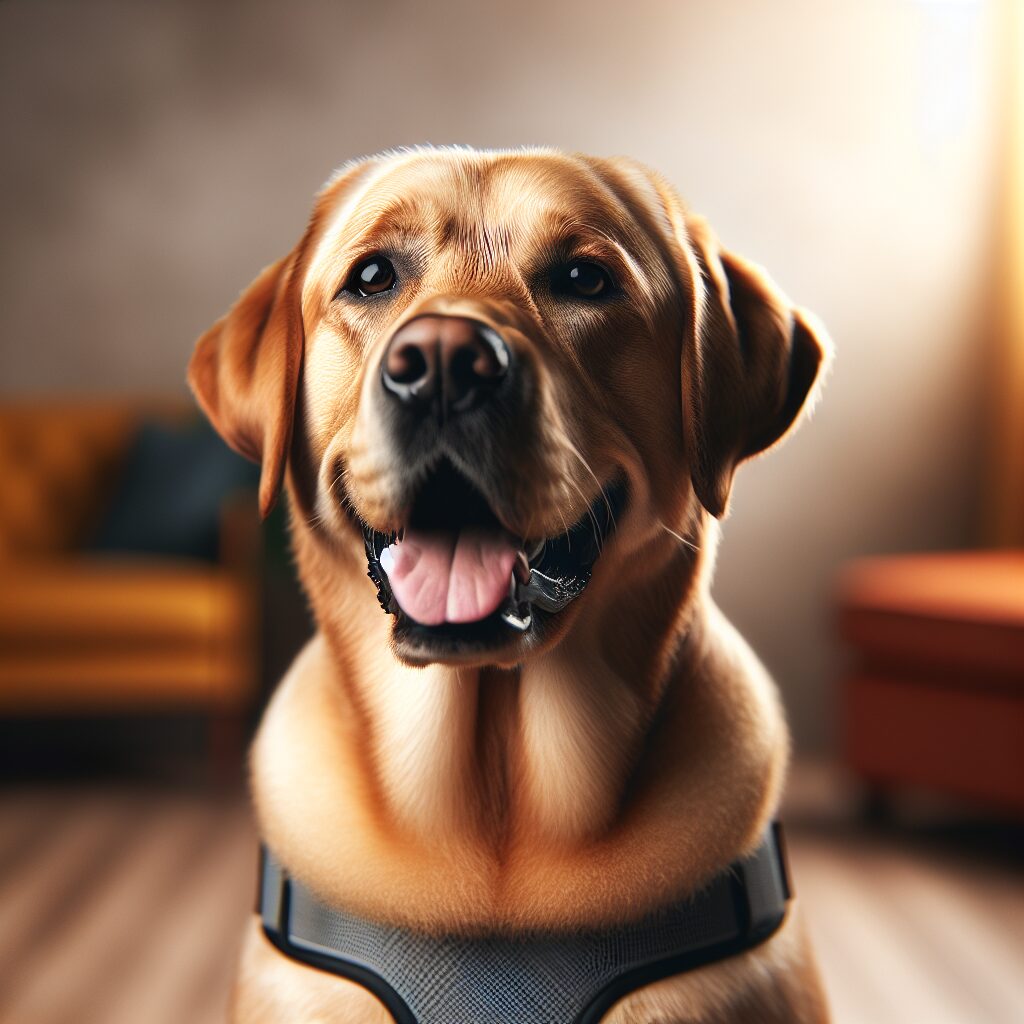
If you own a Labrador Retriever, you know firsthand just how much strength and enthusiasm these dogs bring to every walk. Labs are powerful, energetic dogs that love outdoor adventures, and having the right harness can make the difference between a pleasant stroll and a frustrating battle for control. A quality harness isn't just about keeping your Lab in check—it's about comfort, safety, and making sure both you and your furry friend enjoy your time together.
Whether you're dealing with a headstrong adult Lab or training a bouncy puppy, choosing the right harness is one of the most important investments you'll make as a Lab owner. In this comprehensive guide, we'll walk you through everything you need to know about finding the best harness for your Labrador Retriever, from understanding different harness types to identifying which features matter most for your situation.
Why Labrador Retrievers Need a Good Harness

Before diving into specific harness recommendations, it's worth understanding why this piece of equipment is so crucial for Labradors. Labs are large, muscular dogs with adult males weighing between 65-80 pounds and females between 55-70 pounds. Their sheer size and strength mean they can easily pull an unprepared handler off their feet—especially during the critical puppy and young adult stages when they're learning proper leash manners.
A well-designed harness provides several key benefits that a traditional collar simply cannot offer:
- Neck protection: Harnesses distribute pressure across the chest and back rather than concentrating it on the neck, reducing strain on the trachea and cervical spine—especially important for a breed that loves to pull.
- Better control: Many harnesses include front-clip attachments that gently redirect your Lab's forward momentum when they pull, making walks more manageable without jerking or choking.
- Safety in emergencies: A properly fitted harness is more secure than a collar, making it nearly impossible for your Lab to slip out if they're startled or distracted.
- Comfort during training: When combined with consistent training techniques, a good harness makes the learning process more comfortable for your dog.
If you're just starting your journey with a Lab, understanding your dog's temperament and energy level will also inform your harness choice. Read more about Labrador Retriever temperament and personality traits to better understand your dog's natural inclinations.
Types of Harnesses for Labrador Retrievers

Not all harnesses are created equal, and different styles serve different purposes. Understanding the main types will help you narrow down what's best for your Lab's specific needs.
Front-Clip Harnesses
Front-clip harnesses have the leash attachment point on the dog's chest rather than the back. When your Lab pulls forward, the harness gently rotates them toward you, naturally discouraging pulling without any jerking or choking sensation. This design uses physics to your advantage—it's one of the most effective tools for managing a strong puller.
Best for: Labs that pull excessively, dogs undergoing leash training, and handlers who want the most control with the least physical effort.
Pros: Excellent pulling control, humane design, encourages proper walking, reduces strain on neck and shoulders
Cons: Some dogs find the chest strap uncomfortable initially, requires proper fitting to work effectively
Back-Clip Harnesses
Back-clip harnesses attach at the withers (the highest point of the dog's shoulders). These harnesses prioritize comfort and are often used for dogs that already understand leash manners or for casual walking. However, they don't provide the same pulling control as front-clip options because the leash attachment is positioned to allow forward momentum.
Best for: Well-trained Labs, relaxed neighborhood walks, dogs with no pulling issues, and situations where comfort is the priority.
Pros: Very comfortable, simple design, excellent for weight distribution, less restrictive feeling
Cons: Minimal pulling control, may actually encourage pulling in some dogs, not ideal for training
Dual-Clip Harnesses
Dual-clip harnesses offer the best of both worlds, with attachment points on both the chest and back. This versatility allows you to switch between front and back clips depending on your walking situation. It's an excellent option if your Lab's behavior varies between different environments or if you want the flexibility to transition from control-focused to casual walking.
Best for: Labs of all training levels, owners who want maximum flexibility, dogs that need different approaches in different settings
Pros: Maximum versatility, grows with your dog's training, excellent all-around option, adapts to different situations
Cons: Typically more expensive than single-clip options, more complex fitting
Premium Front-Clip Harness for Labs
Combines front-clip pulling control with back-clip comfort for the most versatile walking experience
View on Amazon →No-Pull Harnesses
No-pull harnesses are specifically engineered to prevent pulling through a combination of design features. Most incorporate front-clip technology but may also include additional strap placements across the shoulder and torso to distribute pressure and redirect movement even more effectively.
Best for: Persistent pullers, young Labs still learning boundaries, larger Labs that require maximum control
Pros: Most effective for pulling prevention, many designs prevent escape, durable construction, humane alternative to choke chains
Cons: Often more expensive, can look bulky, requires proper fitting and adjustment
Essential Features to Look for in a Lab Harness

Beyond the basic harness type, several specific features make a significant difference in functionality, safety, and comfort for your Labrador.
Material and Durability
Labs are active dogs that will test the durability of any gear you put on them. Look for harnesses made from heavy-duty nylon, polyester, or a blend of both. The material should be water-resistant (since Labs love water), fade-resistant, and able to withstand the wear and tear of regular use. Check that stitching is reinforced, particularly at stress points where straps connect to the main body.
Padding and Comfort
A padded chest panel is crucial for Labs. Their broad chests need proper cushioning to prevent chafing and discomfort during walks. Look for soft neoprene padding or memory foam in high-contact areas. Padding shouldn't be so thick that it restricts movement, but it should provide adequate protection without being rigid.
Adjustability
Labs grow quickly, and even adult Labs vary significantly in size. A harness with multiple adjustment points—on the chest, sides, and back—ensures a proper fit throughout your dog's life. Proper fit is non-negotiable: you should be able to fit two fingers between the harness and your dog's body at all points. Too loose, and your Lab can slip out; too tight, and it will cause discomfort and restrict movement.
Reflective Elements
Reflective piping, patches, or stitching makes your Lab visible during early morning walks or evening strolls. This safety feature is particularly important if you walk in areas with vehicle traffic.
Handle or Grab Strap
Many quality harnesses include a sturdy handle on the back or top. This handle is invaluable for helping your Lab into a vehicle, preventing them from jumping, or providing quick control in unexpected situations. Make sure any handle is reinforced and securely attached.
Leash Attachment Quality
The attachment points where your leash clips to the harness should be reinforced D-rings made of durable metal or heavy-duty plastic. They should swivel slightly to prevent tangling and should feel sturdy enough to withstand constant pulling and pressure.
Pro Tip: Always inspect your harness regularly for signs of wear, loose stitching, or damaged attachment points. A harness is only as safe as its weakest component, and regular maintenance can prevent unfortunate escapes.
How to Properly Fit a Harness on Your Lab
Even the best harness won't work if it's not fitted correctly. Improper fit can lead to chafing, reduced effectiveness, and potential escape. Here's how to ensure your Lab's harness fits perfectly:
- Measure your dog: Take a soft measuring tape and measure around your Lab's chest at the widest point (just behind the front legs). Most harnesses will have a sizing chart—always go by chest measurement rather than breed or weight, as individual Labs vary.
- Consider growth: If you're fitting a puppy or young dog, consider purchasing a size that allows for growth. You want adjustability to accommodate a growing Lab without needing a new harness every few months.
- Test the fit: Once the harness is on, run your fingers under all straps. You should be able to fit exactly two fingers between the harness and your dog's body. No more, no less.
- Check for chafing: Look for any areas where the harness might rub, particularly under the armpits, along the spine, and where the shoulder straps sit. These areas are most prone to irritation.
- Ensure proper movement: Have your Lab walk, trot, and play in the harness. They should move naturally without restriction. If they seem uncomfortable or their gait changes, readjust or try a different size.
- Verify attachment security: Gently pull on the harness from different angles to ensure it doesn't shift or slip. A properly fitted harness should move only slightly with your dog's body.
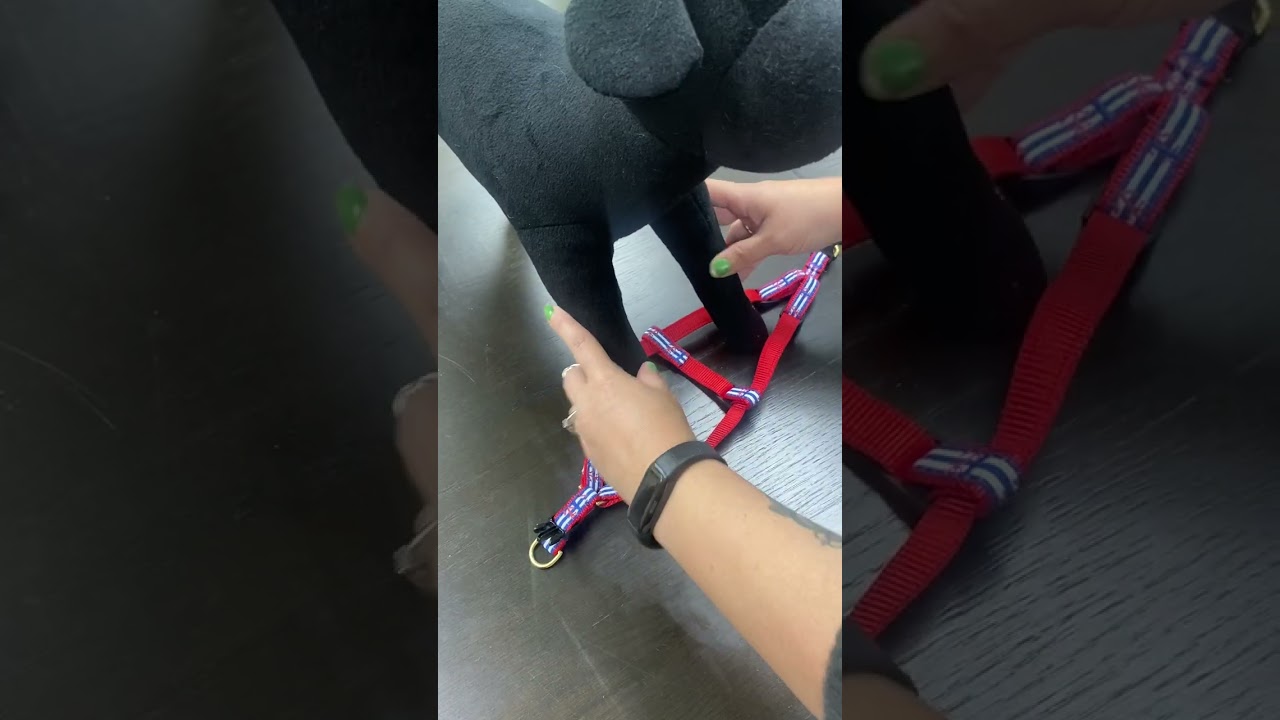
Comparison Table: Popular Harness Types for Labs
| Harness Type | Pulling Control | Comfort Level | Best For | Price Range |
|---|---|---|---|---|
| Front-Clip | Excellent | Good | Pullers, Training | $25-$60 |
| Back-Clip | Fair | Excellent | Well-trained Dogs | $20-$50 |
| Dual-Clip | Excellent | Excellent | Any Lab | $40-$85 |
| No-Pull | Maximum | Good | Persistent Pullers | $35-$100 |
Top Harness Features for Labrador-Specific Needs
Labrador Retrievers have specific characteristics that should influence your harness choice. Understanding what makes a harness work well specifically for this breed is important.
Chest Strength
Labs have incredibly muscular chests. A harness with an appropriately wide, padded chest panel that distributes pressure evenly is essential. Narrow chest straps will be uncomfortable and may not provide adequate control. Look for harnesses specifically designed for large, broad-chested breeds.
High Energy and Pulling Tendency
Labs are bred to retrieve and naturally have a forward-pulling instinct. According to the American Kennel Club, Labs have an "eagerness to please" but also tremendous drive. This combination means many Labs will pull during walks, especially when young or undertrained. A front-clip or no-pull harness is almost essential for Labs during their first couple of years.
Water Resistance
Labs love water—it's in their DNA. Whether you're walking near a lake, a river, or just doing neighborhood walks in wet conditions, a water-resistant harness will maintain its integrity and comfort better than one made from materials that absorb moisture and dry slowly.
Active Lifestyle Support
If your Lab enjoys hiking, running, or other high-impact activities, you'll want a harness with excellent weight distribution and a handle for assistance on difficult terrain. Some Labs will benefit from harnesses designed for active dogs with reinforced attachment points and superior durability.
Remember, an active Lab also needs proper nutrition and health maintenance. For more information about keeping your Lab in peak condition, check out our guide to the best food for Labrador Retrievers to ensure your dog has the energy and nutrition needed for an active lifestyle.
Heavy-Duty No-Pull Harness System
Specifically engineered for large breeds with dual-clip technology and extra-wide chest panel
View on Amazon →Common Harness Mistakes Lab Owners Make
Even with good intentions, many Lab owners make preventable mistakes when selecting or using harnesses. Learning from these errors can save you money and frustration:
- Choosing by appearance rather than functionality: A harness might look great, but if it doesn't suit your Lab's needs and behavior, it won't work well. Function should always trump fashion.
- Not adjusting for growth: Purchasing a harness that's too snug for a growing Lab means replacing it within months. Always leave room for adjustment.
- Ignoring fit during purchase: Buying online without trying the harness on your dog is risky. If possible, try before you buy, or purchase from retailers with easy return policies.
- Using a harness without training: A harness is a tool, not a magic solution. Pair it with consistent training for best results. If your Lab is still learning, our guide on how to train a Labrador Retriever puppy offers comprehensive training strategies.
- Leaving the harness on too long: While harnesses are safe for extended wear, regularly removing your Lab's harness prevents chafing and allows skin to breathe. Remove it after walks and during rest periods at home.
- Forgetting to maintain and inspect: Harnesses wear out. Regularly check for fraying, loose stitching, or damaged attachment points, and replace the harness when it shows significant wear.
Harness Training Tips for Your Lab
Introducing a new harness to your Lab requires a gentle approach, especially if they're not accustomed to wearing one. Here are effective strategies for a smooth transition:
Get weekly dog tips, breed guides & product picks — free.
Start with Positive Association
Before putting the harness on, let your Lab sniff and investigate it. Offer treats and praise while showing them the harness. This builds positive associations and reduces resistance.
Practice at Home First
Put the harness on during calm moments at home. Let your Lab wear it for short periods while playing or eating treats. Gradually increase the duration before taking them outside.
Reward Calm Behavior
When your Lab accepts the harness without fussing, offer immediate praise and high-value treats. Positive reinforcement works far better than force or frustration.
Keep Early Walks Short
Once your Lab is comfortable wearing the harness at home, start with short walks around your property or quiet neighborhood. Gradually increase distance and complexity as they adjust.
Remain Consistent
Always use the same harness consistently so your Lab understands the routine. Switching harnesses frequently can create confusion.
Training Insight: Labs respond exceptionally well to positive reinforcement. Rewarding your dog for calm harness behavior and good leash manners will produce faster results than any punishment-based method. Your Lab's eagerness to please works in your favor—use it to your advantage.
Special Considerations for Lab Puppies
Puppies have unique harness needs that differ from adult Labs. Young Labs grow rapidly—sometimes gaining several pounds monthly—so a harness must accommodate growth without becoming dangerous.
Look for adjustable puppy harnesses specifically designed to grow with your dog. These typically allow for chest and strap adjustments that can be modified as your Lab grows. Avoid harnesses that are too rigid or have limited adjustment range.
Puppy harnesses should be lighter weight and more flexible than adult versions, as growing bones and joints are more sensitive. Once your Lab reaches adult size (typically by 12-18 months, though some Labs continue filling out until age 2-3), you can transition to a more heavy-duty adult harness.
For comprehensive puppy training information, including harness training specifics, refer to our detailed Labrador Retriever puppy training guide.
Grow-With-Me Puppy Harness
Features multiple adjustment points designed to accommodate rapid growth from puppyhood to full size
View on Amazon →Harness Care and Maintenance
A quality harness is an investment, and proper care extends its life and maintains its effectiveness. Here's how to keep your Lab's harness in optimal condition:
- Regular cleaning: Wash the harness monthly with mild soap and lukewarm water. For dogs that spend time in muddy or sandy areas, rinse after each walk. Allow the harness to air-dry completely before storing.
- Inspect frequently: Check the harness weekly for signs of wear, loose stitching, or damaged attachment points. Address minor issues immediately to prevent them from becoming major problems.
- Store properly: Keep the harness in a cool, dry place away from direct sunlight, which can fade and degrade materials over time.
- Replace when necessary: Even high-quality harnesses eventually wear out. If you notice significant wear or your Lab has experienced growth spurts, it may be time for a replacement.
- Test attachment points: Periodically tug on the D-rings and attachment points to ensure they're still secure and won't fail during walks.
Harness vs. Collar: The Complete Picture
Many Lab owners wonder whether they need both a harness and a collar, or if one is sufficient. The answer depends on your specific situation:
Harness advantages: Superior control, better weight distribution, safer for dogs with neck sensitivity, excellent for training and pulling prevention
Collar advantages: Lightweight, allows ID tags, quick to put on, suitable for calm, well-trained dogs
Best practice: Most experts recommend using a harness for walks (especially for Labs) while keeping a collar on your dog at home for ID tag purposes. This dual approach provides optimal safety and control. Never use a harness and collar together unless specifically recommended by a trainer, as this can create confusing signals and reduce effectiveness.
For Labs, a harness is nearly always the better choice for walks due to their size, strength, and natural pulling tendency. Collars, particularly choke chains or pinch collars, are not recommended for this breed as they can cause neck and tracheal damage.
Budget Considerations and Value
Harness prices range from $20 to over $100 depending on features, materials, and brand. While it's tempting to go with the cheapest option, remember that your harness is a critical safety tool and will see frequent use. Consider this investment in the context of your Lab's potential for injury or escape:
Budget tier ($20-$35): Basic, functional harnesses that work well for well-trained Labs. Limited features and durability may be a concern.
Mid-range tier ($35-$65): Quality harnesses with good materials, padding, and durability. Excellent value for most Lab owners and suitable for training and daily use.
Premium tier ($65+): High-end harnesses with superior materials, innovative features, and exceptional durability. Worth the investment for extremely strong pullers or active Labs that will get heavy use.
Rather than viewing harness cost as an expense, think of it as insurance against escape, injury, and behavioral issues. A quality harness used correctly can prevent thousands of dollars in veterinary bills or property damage.
Investing in your Lab's health and safety extends beyond equipment. Be sure your Lab maintains optimal health throughout their life—our guide on how long Labrador Retrievers live and health longevity factors provides essential information on maintaining your dog's wellbeing for years to come.
When to Upgrade or Replace Your Lab’s Harness
You don't need to replace a harness every year if you're taking proper care of it, but several situations warrant an upgrade:
- Visible wear and tear: Frayed straps, faded materials, or loose stitching indicate the harness is deteriorating and should be replaced for safety.
- No longer fits properly: If you've adjusted all available adjustment points and the harness still doesn't fit correctly, it's time to size up or try a different style.
- Your Lab's needs have changed: As your Lab matures and their walking behavior changes, you may want to switch from a no-pull harness to a back-clip harness or vice versa.
- Attachment points are damaged: A broken D-ring or damaged leash attachment point compromises safety and should prompt an immediate replacement.
- Discomfort or chafing: If your Lab develops sores or shows signs of discomfort despite proper fitting, the harness design may not be suitable for their body type.
Safety First: Never compromise on safety to save money. A harness is one of the most important pieces of equipment you'll use with your Lab. When in doubt, consult with your veterinarian or a professional trainer for recommendations specific to your dog's needs.
Frequently Asked Questions About Lab Harnesses
Frequently Asked Questions
Is a front-clip harness safe for puppies?
Front-clip harnesses are generally safe for puppies as long as they fit properly. However, growing puppies' bones and joints are still developing. Use a lightweight puppy-specific harness with adjustability to accommodate growth, and avoid excessive pulling or jerking. Many trainers recommend waiting until puppies are at least 4-6 months old before using front-clip harnesses, preferring back-clip versions for very young puppies. Always supervise and introduce the harness gradually.
Can my Lab escape from a harness?
Yes, if the harness is improperly fitted or of poor quality, escape is possible. Labs are strong and clever. A well-fitting harness with reinforced attachment points and proper adjustment should prevent escape. The two-finger rule—fitting two fingers under all straps—helps ensure security. Regularly check that the harness hasn't loosened during walks. If your Lab is an escape artist, consider a no-pull or escape-proof harness specifically designed to prevent slipping.
How long can my Lab wear a harness daily?
Labs can wear harnesses for extended periods, but they shouldn't wear them 24/7. Continuous harness wear can lead to chafing, skin irritation, and reduced air circulation. Best practice is to remove the harness after walks and during rest periods at home. If your Lab must wear a harness for extended periods (during hiking trips, for example), check frequently for signs of chafing and give their skin breaks whenever possible.
What's the difference between a no-pull harness and a regular front-clip harness?
While front-clip harnesses redirect pulling through the chest attachment point, no-pull harnesses use additional design features like wider chest panels, strategic strap placement, and sometimes additional attachment points to provide maximum pulling prevention. No-pull harnesses are often more robust and specialized, making them better for persistent pullers. Regular front-clip harnesses work well for most Labs and often cost less, while no-pull harnesses are ideal for Labs that need maximum control.
Should I use a harness or collar for my Lab?
For walking and exercise, a harness is almost always the better choice for Labs. Harnesses provide superior control, distribute pressure safely across the chest rather than concentrating it on the neck, and are less likely to cause tracheal or cervical damage. Collars are better reserved for ID tags at home. Most experts recommend using a harness for all walks with Labs, especially puppies and strong pullers. Your veterinarian can provide personalized advice based on your individual Lab's needs and health status.
Choosing the right harness for your Labrador Retriever is one of the smartest decisions you can make as a dog owner. By understanding the different types, prioritizing proper fit, and selecting features suited to your Lab's individual needs, you'll create a foundation for safe, enjoyable walks together for years to come. Whether your Lab is a boisterous puppy still learning boundaries or a mature adult ready for adventure, the perfect harness is out there—and your Lab will thank you for the comfort, security, and freedom it provides.

You Might Also Like
Labrador Retriever vs Golden Retriever: Which Breed Is Right for You?
Compare Labs and Golden Retrievers side-by-side. Discover temperament, exercise needs, grooming, and health differences to choose your perfect family dog.
Best Harness for Golden Retrievers: Top 5 Picks for Comfort & Control
Find the best harness for your Golden Retriever in 2025. Expert picks for comfort, control & training — with sizing…

Best Food for Labrador Retrievers: Nutrition Guide & Top Feeding Tips
Complete guide to feeding Labrador Retrievers. Learn about protein needs, portion sizes, best dog foods, and nutritional requirements for healthy…