How to Train a Labrador Retriever Puppy: Complete Training Guide for Success
Bringing home a Labrador Retriever puppy is one of life's greatest joys—but it's also a significant responsibility. Labs are intelligent, eager-to-please dogs that thrive with consistent, positive training from day one. The good news? Labrador puppies are among the most trainable breeds around, making them ideal for first-time dog owners and experienced handlers alike.
Training your Lab puppy isn't just about teaching commands or stopping bad behaviors. It's about building a strong foundation for a well-adjusted, confident adult dog who will be a joy to live with for the next 10-12 years (and possibly longer—read our guide on Labrador lifespan for more). The critical window for puppy training typically runs from 3 weeks to 16 weeks, though learning continues throughout your dog's life.
In this comprehensive guide, we'll walk you through everything you need to know about training a Labrador Retriever puppy, from the moment they arrive home through their first year. Whether you're dealing with housebreaking challenges, teaching basic obedience, or managing typical puppy behavior problems, you'll find practical, proven strategies here.
Understanding Your Labrador Puppy’s Development
Before diving into specific training techniques, it's crucial to understand how Labrador puppies develop physically and mentally. This knowledge helps you set realistic expectations and adjust your training approach as your puppy grows.
The Critical Socialization Window
The period between 3 and 14 weeks is often called the "critical socialization window." During this time, puppies are naturally curious and less fearful, making them more receptive to new experiences. Exposing your Lab puppy to different people, environments, sounds, and other animals during this window can prevent fear and aggression issues later in life.Brain Development and Learning Capacity
Labrador puppies' brains develop rapidly. By 12 weeks, they've experienced significant neural growth and are capable of learning basic commands. However, they have short attention spans—typically 5-10 seconds at this age—so training sessions should be brief and highly rewarding. Understanding your Lab's natural temperament and personality will help you tailor your training approach to match their individual learning style.Core Training Principles for Lab Puppies

Photo by Anil Sharma on Unsplash
Positive Reinforcement Works Best
The American Kennel Club emphasizes that positive reinforcement is the most effective training method for puppies. This means rewarding the behavior you want to see more of, rather than punishing unwanted behavior. When your Lab puppy sits on command, immediately give praise, a high-value treat, or a favorite toy. This creates a strong association between the action and the reward, making your puppy more likely to repeat it.Consistency is Non-Negotiable
Every family member must use the same commands, hand signals, and rules. If Mom allows jumping but Dad doesn't, your puppy will be confused and training will be slower. Consistency builds trust and clarity.Start Simple and Build Gradually
Break complex behaviors into small, manageable steps. Your puppy can't learn "retrieve" without first learning to follow a toy, then pick it up, then bring it back. Master basic commands first: sit, stay, come, and down.Timing is Everything
Puppies live in the moment. Reward or redirect behavior within 1-2 seconds of it happening. A treat given five minutes after good behavior won't register as a consequence of that action.Step-by-Step Housebreaking Your Lab Puppy

Photo by Sharon Snider via Pexels
Establishing the Foundation
**Create a designated potty area.** Choose a specific spot in your yard where you want your puppy to eliminate. Always take them there first thing in the morning, after meals, after playtime, and before bedtime. **Establish a consistent schedule.** Eight-week-old puppies can typically hold their bladder for about 2-3 hours. A basic schedule might look like: - 7:00 AM - wake up and immediate potty break - 7:30 AM - breakfast - 8:00 AM - potty break - 9:00 AM - nap time - 12:00 PM - lunch and potty break - 1:00 PM - supervised play and potty break - 5:00 PM - dinner and potty break - 7:00 PM - supervised play and potty break - 9:00 PM - final potty break before crateUsing Crate Training Effectively
Crate training is one of the most effective housebreaking tools because dogs naturally avoid soiling their sleeping area. A properly sized crate should be large enough for your puppy to stand, turn around, and lie down, but not so large they can eliminate in one corner and sleep in another. **Never use the crate as punishment.** It should always be a positive space. Feed meals in the crate, toss treats inside, and make it their safe haven.The Accident Response Protocol
Accidents will happen. Here's how to handle them: 1. **Don't punish.** Puppies can't connect punishment to an accident that happened hours ago, and punishment creates fear and confusion. 2. **Clean thoroughly.** Use an enzymatic cleaner designed for pet urine. Regular cleaners don't fully eliminate the scent, encouraging re-soiling. 3. **Redirect immediately.** If you catch your puppy mid-accident, take them outside calmly to your designated potty area. 4. **Supervise closely.** Until fully housetrained, your puppy should always be in your sight or in a confined area.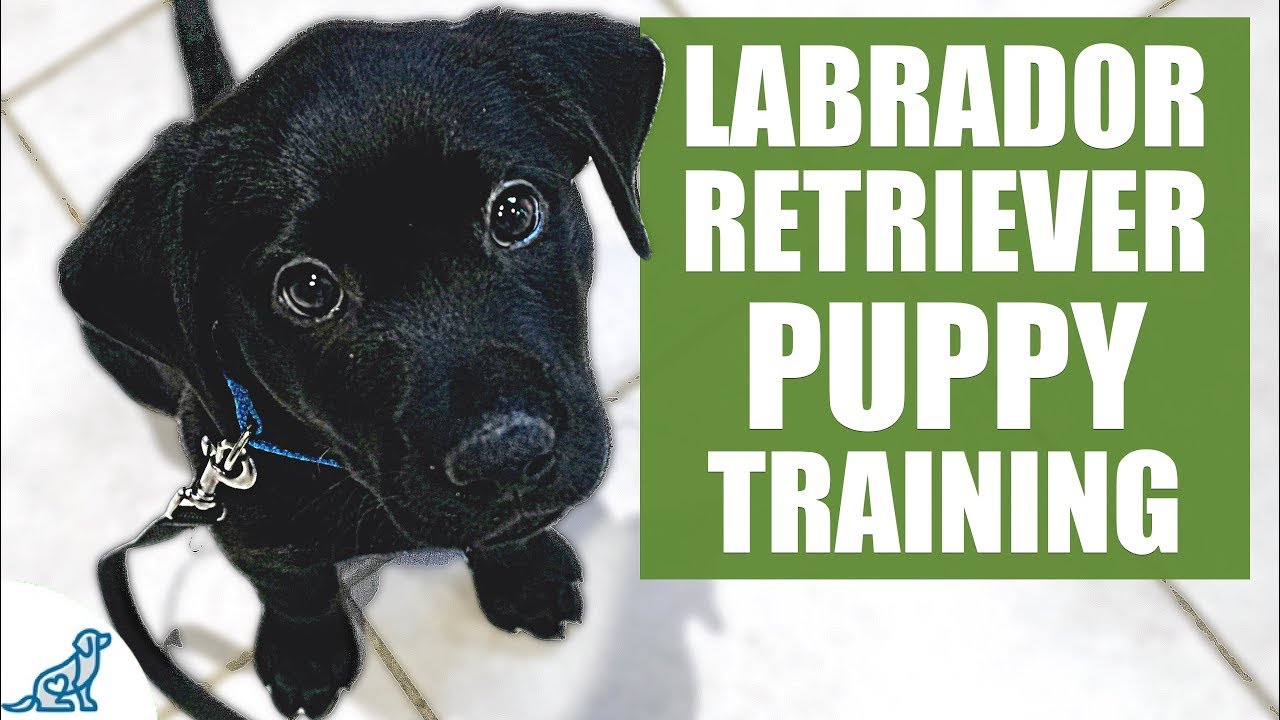
Teaching Basic Obedience Commands
Once your puppy has the basics of housebreaking down, focus on foundational obedience. These commands make your dog easier and safer to manage throughout life.Sit - The Gateway Command
"Sit" is typically the easiest command to teach and serves as a foundation for others. **Training steps:** 1. Hold a treat close to your puppy's nose 2. Move your hand upward, letting their head follow and their bottom naturally lower 3. The moment their rear touches the ground, say "Sit!" and reward immediately 4. Practice 5-10 times per session, 2-3 times daily 5. Gradually add the command word before luring with the treat 6. Phase out treats once they reliably sit on command, replacing them with praise and occasional treatsCome - Your Most Important Command
The recall command could save your puppy's life. Teaching a reliable "come" takes patience but is worth every minute invested. **Training steps:** 1. Start in a confined space like a small room or fenced yard 2. Show your puppy a treat and say "Come!" in an enthusiastic voice 3. When they reach you, reward generously 4. Gradually increase distance and distractions 5. Practice in different environments 6. Use high-value treats (small pieces of chicken, cheese) for recalls in distracting settings **Critical rule:** Never call your puppy to you for something they perceive as negative (nail trimming, end of playtime). This teaches them that "come" means something bad happens. Instead, go get them for necessary activities.Down - Building on Success
Once "sit" is solid, "down" typically comes next. **Training steps:** 1. Start with your puppy in a sitting position 2. Hold a treat close to their chest, then lower it toward the ground between their paws 3. As they lower themselves to follow the treat, say "Down!" 4. Reward immediately when they're in the down position 5. Gradually reduce the luring and rely more on the command wordStay - Patience Pays Off
"Stay" teaches impulse control and is vital for safety. **Training steps:** 1. Ask your puppy to sit 2. With your hand held up in a "stop" gesture, say "Stay" 3. Wait just 2-3 seconds, then reward 4. Gradually increase duration before rewarding 5. Only add distance once they consistently hold the position for 30 seconds 6. Practice in different locations with increasing distractionsAddressing Common Puppy Behavior Problems
Even the sweetest Lab puppy will exhibit behaviors you'll want to redirect or eliminate. Understanding why these happen helps you address them effectively.Biting and Mouthing
Puppies explore the world with their mouths. Mouthing is normal but needs redirection. - **Provide appropriate chew toys** in various textures - **Interrupt mouthing** on hands or clothes with a firm "No" and redirect to a toy - **Offer appropriate outlets** for their natural chewing instinct - **Never play tug or wrestle games** that encourage aggressive mouthingJumping on People
Labs love attention and jumping gets results. Eliminate the reward: - **Ignore jumping** completely—no eye contact, no talking, no touching - **Reward calm behavior** with attention and treats - **Teach an alternative** like sitting to greet people - **Ensure consistent responses** from all family members and visitorsPuppy Biting During Play
This is often mistaken for aggression but is usually normal play behavior. VCA Hospitals notes that appropriate play biting is part of normal puppy development, though it needs to be managed. - **Redirect to toys** rather than your hands - **Use "Ouch!" training**: yelp loudly when they bite hard to signal play ended - **Take breaks** from play if mouthing continues - **Rotate toys** to maintain interest in appropriate outletsChewing Furniture and Belongings
Puppies chew for comfort, teething relief, and boredom. Prevention is key: - **Puppy-proof your space** by removing temptations - **Provide appropriate chew toys** and rotate them - **Use taste deterrents** on furniture corners (bitter apple spray) - **Manage exercise and mental stimulation** to prevent boredom-related chewing - **Supervise closely** or confine when you can't watchPuppy Teething Chew Toy Set
Offers multiple textures to satisfy teething discomfort and redirect inappropriate chewing behavior
View on Amazon →Socialization: Beyond Just Meeting People
Proper socialization is as important as housebreaking and obedience. A well-socialized Lab is confident, friendly, and less likely to develop anxiety or aggression issues.What Real Socialization Looks Like
Socialization isn't forcing your puppy to interact. It's calm, positive exposure. Your puppy should experience: - Different surfaces (grass, gravel, concrete, carpet, wood) - Various sounds (traffic, sirens, vacuum, children playing, doorbell) - Different environments (parks, pet stores, car rides, outdoor markets) - Diverse people (different ages, ethnicities, people in uniforms) - Other animals (calm, vaccinated dogs; cats if appropriate) - Equipment and stimuli (umbrellas opening, sudden movements, etc.)Creating Positive Associations
Each new experience should be paired with: - High-value treats - Praise and encouragement - Safety and distance if needed - Time to investigate at their own pace - No forcing or overwhelming If your puppy shows fear (hiding, trembling, reluctance), retreat to a distance where they're comfortable and progress more slowly. Fear forced can become aggression later.Vaccination Considerations
Before exposing your puppy to other dogs or public areas, follow your veterinarian's vaccination schedule. Typically: - **8 weeks**: First set of puppy shots - **12 weeks**: Second set - **16 weeks**: Final set (in most protocols) - **16 weeks**: Rabies vaccine Talk to your vet about socialization before full vaccination is complete. Many vets recommend selective socialization in lower-risk environments.Nutrition and Training Success
You can't train effectively with a hungry or poorly nourished puppy. Training requires mental energy, which comes from proper nutrition. Our complete guide to feeding Labrador Retrievers covers nutrition in detail, but here are key training-related points: - **Use training-appropriate treats**: Small, soft treats that are quickly consumed so training moves quickly - **Adjust meal portions**: If using lots of treats during training, reduce kibble portions to prevent overfeeding - **Time feeding around training**: Don't train immediately before or after large meals; wait 30-45 minutes - **Keep treats healthy**: Many training treats are full of calories; use small amounts of kibble as rewards tooTraining Treat Pack for Puppies
Small, soft morsels perfect for frequent rewards during training sessions without excess calories
View on Amazon →Crate Training and Managing Alone Time
Beyond housebreaking, crate training provides your puppy with a safe, secure space and helps manage situations when you can't supervise.Introduction Steps
1. Leave the crate door open in a common area 2. Toss treats and toys inside randomly 3. Feed meals in the crate 4. Let your puppy nap in it with the door open 5. Gradually close the door for short periods while you're home 6. Practice leaving for brief intervals 7. Never let them out while whining (they need to be calm)Managing Separation Anxiety
Labs are social dogs and can develop separation anxiety. Prevent it by: - **Starting slow**: Begin by leaving for 30 seconds, not hours - **Making arrivals/departures low-key**: Don't make a big fuss when leaving or arriving - **Creating a comfortable space**: Crate should feel safe, not punitive - **Providing stimulation**: Kong toys, puzzle toys, or long-lasting chews - **Keeping a consistent schedule**: Predictability reduces anxiety - **Gradually increasing alone time**: Build tolerance slowlyExercise Needs and Training Readiness
Labs are high-energy dogs that need appropriate exercise. Proper exercise actually improves training success because: - Tired puppies are less likely to jump, bite, or engage in destructive behavior - Physical activity strengthens the bond between you and your puppy - Exercise provides mental stimulation, which aids learning However, **be careful not to over-exercise young puppies**. Their bones and joints are still developing. General guidelines: - **8-12 weeks**: 5-10 minutes of exercise, 2-3 times daily - **3-6 months**: 10-15 minutes, 2-3 times daily - **6-12 months**: 15-30 minutes, 2-3 times daily - **Avoid jumping and high-impact** activity until growth plates are closed (around 12-14 months)Building a Strong Training Relationship
The best training happens within the context of a strong relationship. Your Lab puppy should see training as a fun game they play with their favorite person. - **Keep sessions short**: 5-10 minutes for young puppies - **Always end on success**: Stop while your puppy is still engaged - **Use a happy, excited tone**: Your enthusiasm is contagious - **Make training playful**: It shouldn't feel like work - **Practice throughout daily life**: Ask for a sit before meals, before going outside, etc. - **Manage your expectations**: Puppies forget things; repetition is normal - **Never train when frustrated**: Your mood affects learningTraining Timeline: What to Expect When
Here's a realistic progression for Labrador puppy training: **8-12 Weeks** - Focus on housebreaking and crate training - Introduce basic commands (sit, come, down) - Begin socialization - Keep training sessions very short (2-5 minutes) **12-16 Weeks** - Continue reinforcing basic commands - Add "stay" and "leave it" - Increase socialization variety - Start practicing "come" in different environments - Introduce a walking routine with a lightweight collar **4-6 Months** - Work on more reliable recalls and stays - Begin teaching "heel" loosely (at 6 months) - Introduce basic impulse control exercises - Practice in more distracting environments - Consider a puppy kindergarten class for socialization **6-12 Months** - Refine existing commands - Work on duration and distance for sits and stays - Begin introducing more advanced commands if desired - Manage teenage puppy behavior (increased independence, testing boundaries) - Continue regular exercise and mental stimulationWhen to Seek Professional Help
Most Lab puppies train successfully with consistent, patient owners. However, consider professional help if: - Your puppy shows aggression (biting hard, growling during play, resource guarding) - You're struggling with housebreaking after 4-5 months - Your puppy shows extreme fear or anxiety - Your puppy isn't responding to basic training after dedicated effort - You're uncertain about the best approach for specific behaviors A certified professional dog trainer (CPDT-KA certification) or veterinary behaviorist can provide tailored guidance.Professional Puppy Training Class
Group classes provide socialization benefits while learning proper training techniques from certified professionals
View on Amazon →Frequently Asked Questions
At what age can I start training my Lab puppy?
Get weekly dog tips, breed guides & product picks — free.
You can begin training immediately when your puppy comes home, typically at 8 weeks. Puppies are capable of learning simple commands from 3 weeks onward. Start with housebreaking, basic commands, and socialization. Keep sessions short and reward-based, adjusting complexity as they grow. Training is a lifelong process, but the foundation you build in the first few months is crucial.
How long does it take to housetrain a Lab puppy?
Most Lab puppies can be reliably housetrained in 4-6 months with consistent training and management. Some take up to a year, and nighttime dryness may take even longer due to bladder development. Accidents are completely normal during this period. Consistency, appropriate potty schedules, crate training, and positive reinforcement are the keys to success. Never punish accidents, as this creates fear and confusion.
Can I use punishment-based training methods like shock collars?
No, and we strongly advise against it. Punishment-based methods are outdated, ineffective, and can cause anxiety, fear, and aggression in puppies. Labs are eager-to-please dogs that respond beautifully to positive reinforcement. Studies consistently show that reward-based training produces better results, faster learning, and stronger bonds between dog and owner. Additionally, punishment can damage your relationship with your puppy and create behavioral problems.
What should I do if my Lab puppy won't listen or seems stubborn?
Labs are intelligent and generally not stubborn—they're usually trying to tell you something. First, evaluate whether your training is clear and reward-based. Second, ensure your puppy isn't distracted or overstimulated; take training to a quieter environment. Third, check that you're using high-value rewards that genuinely motivate your puppy. Finally, make sure you're not asking for too much too soon; break behaviors into smaller steps. If nothing improves, consult a professional trainer to assess your technique.
How do I manage my Lab puppy's high energy during training?
Provide appropriate physical exercise before training sessions (a 20-minute walk or play session for a 4-month-old puppy). This reduces excess energy and improves focus during training. Additionally, use mental stimulation through puzzle toys, sniffing games, and training itself—mental exercise can be as tiring as physical exercise. Keep training sessions short (5-10 minutes) to match their attention span. A tired puppy is more responsive and less likely to engage in destructive behavior. Balance exercise with proper sleep, as puppies need 18-20 hours daily.

You Might Also Like
Do Labrador Retrievers Shed a Lot? Complete Shedding Guide & Solutions
Learn if Labs shed heavily, why they shed year-round, and proven strategies to manage their double coat shedding effectively.

Golden Retriever Mouthing: 5 Proven Tips to Redirect Playful Behavior
Is your Golden Retriever mouthing everything in sight? Discover 5 vet-backed tips to redirect this normal behavior and strengthen your…
How Long Do Labrador Retrievers Live? Lifespan, Health & Longevity Guide
Learn the typical Labrador Retriever lifespan, factors affecting their longevity, and how to help your Lab live a longer, healthier…