The Complete Doberman Pinscher Guide: Temperament, Care, Health & More
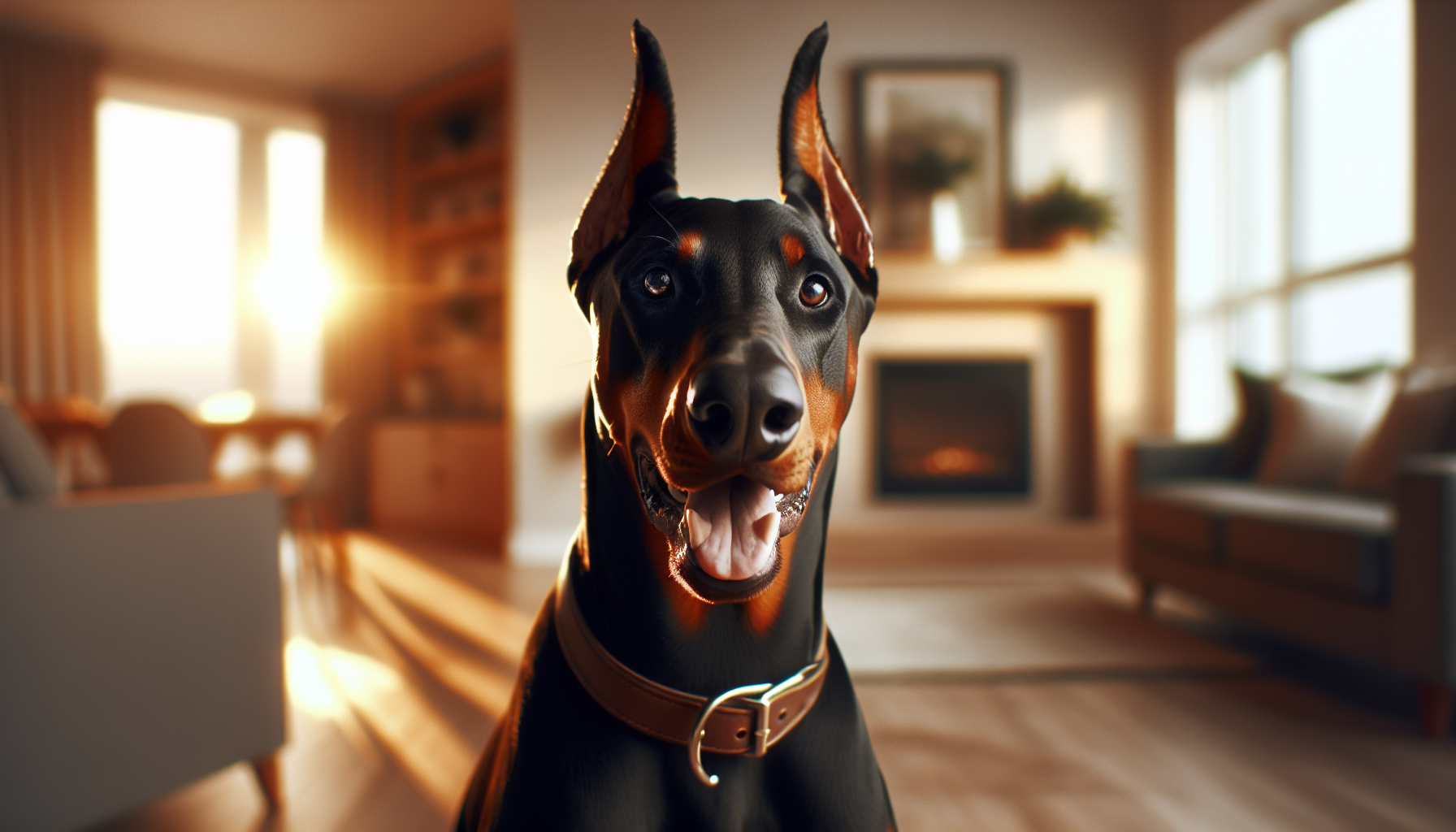
The Doberman Pinscher is one of the most misunderstood breeds in the dog world — fiercely loyal, strikingly intelligent, and deeply devoted to the people they love. Behind that sleek, powerful exterior is a dog that craves companionship, thrives on mental stimulation, and can be one of the most rewarding breeds you’ll ever own. Whether you’re considering bringing one home or you already share your life with a Doberman, this guide covers everything you need to know.
Breed Overview

Photo by Alexas Fotos via Pexels
Here’s a quick snapshot of the Doberman Pinscher at a glance. Keep in mind that individual dogs can vary, and environment plays a huge role in temperament and behavior.
| Characteristic | Detail |
|---|---|
| Origin | Germany |
| Breed Group | Working Group (AKC) |
| Size | Large |
| Male Height | 26–28 inches at the shoulder |
| Female Height | 24–26 inches at the shoulder |
| Weight | 60–100 lbs (males heavier) |
| Lifespan | 10–12 years |
| Temperament | Loyal, alert, energetic, intelligent, fearless |
| Energy Level | High |
| Shedding | Low to moderate |
| Trainability | Excellent — one of the most trainable breeds |
| Good With Kids | Yes, with proper socialization |
| Good With Other Dogs | Moderate — early socialization is key |
| Apartment Friendly | Not ideal without significant daily exercise |
History & Origin

Photo by JOSHUA DANIEL on Unsplash
The Doberman Pinscher has a history as fascinating and purposeful as the dog itself. The breed was developed in Germany in the late 19th century by a man named Karl Friedrich Louis Dobermann — a tax collector, dog catcher, and night watchman who wanted the perfect personal protection dog to accompany him on his rounds.
Dobermann had access to the local dog pound, which gave him a unique opportunity to experiment with breeding. While exact records were never kept, historians believe he crossed several breeds including the Rottweiler, German Pinscher, Weimaraner, and possibly the Greyhound and Manchester Terrier to achieve his vision. The result was a dog with power, endurance, loyalty, and keen intelligence. You can read more about the Rottweiler — one of the likely ancestors of the Doberman — in our Complete Rottweiler Guide.
After Louis Dobermann’s death in 1894, German breeders continued refining the breed, focusing on reducing some of the more aggressive traits while preserving the sharp protective instincts. By the early 20th century, Dobermans had spread across Europe and eventually to the United States, where the American Kennel Club officially recognized the breed in 1908.
During World War II, Dobermans served as war dogs for the United States Marine Corps, scouting enemy troops, carrying messages, and saving countless lives. A bronze statue called “Always Faithful” at the National War Dog Cemetery in Guam memorializes 25 Dobermans who died in the Battle of Guam in 1944. Their heroism in combat is a testament to the breed’s courage and loyalty that owners still witness today.
Did You Know? The breed is officially called “Doberman Pinscher” in the United States, but in most other countries (and within the FCI — the international canine federation) it is simply called the “Dobermann” — with two n’s — in honor of its founder.
Appearance & Size

Photo by Ali Bensoula via Pexels
The Doberman Pinscher is an athletic, elegant breed that combines power with refinement. They are square-bodied dogs — meaning their height and length are roughly equal — which gives them that characteristic look of coiled, ready energy even when standing still.
Coat
The Doberman’s coat is short, hard, thick, and close-lying. It’s one of the breed’s most defining features — sleek and almost glossy in appearance, which accentuates the muscular body underneath. There is no undercoat, which makes grooming relatively simple but also means Dobermans are sensitive to cold weather.
Colors
The AKC recognizes four standard colors for Doberman Pinschers:
- Black and Rust — the most common and iconic coloring
- Red and Rust — a warm reddish-brown base with rust markings
- Blue and Rust — a diluted black, giving a steely gray appearance
- Fawn and Rust — a diluted red, sometimes called “Isabella”
You may also encounter “white” or “albino” Dobermans. These are not a recognized color — they result from a genetic mutation and are associated with serious health and temperament problems. Reputable breeders do not breed for white Dobermans.
Cropped Ears and Docked Tails
Historically, Dobermans had their ears cropped to stand erect and their tails docked shortly after birth. In the United States, this practice is still common and many people associate the cropped-ear look with the breed. However, ear cropping and tail docking are cosmetic procedures with no health benefit and are increasingly controversial. They are banned or heavily restricted in many European countries and parts of Canada. Natural-eared (called “floppy-eared”) and undocked Dobermans are perfectly healthy and are becoming more common.
Temperament & Personality

Photo by Richard Burlton on Unsplash
Ask any Doberman owner and they’ll likely tell you the same thing: this breed is unlike any other. The Doberman is often described as a “Velcro dog” — they attach themselves to their people and want to be involved in everything you do. Don’t expect your Doberman to be content lounging in the backyard while you’re inside; they want to be with you.
Loyal to the Core
The Doberman’s loyalty borders on legendary. They form incredibly strong bonds with their family and are naturally protective without being needlessly aggressive when properly raised. This protective instinct makes them excellent watchdogs — they are alert to unusual sounds and strangers — but a well-socialized Doberman knows the difference between a real threat and a friendly visitor.
Sensitive and Emotionally Intelligent
One of the most surprising things for new Doberman owners is just how sensitive this breed can be. Despite their imposing appearance, Dobermans are emotionally tuned-in dogs that pick up on your mood, respond to your tone of voice, and can become anxious or stressed if there is tension in the household. Harsh corrections or punitive training methods are not only unnecessary — they can backfire badly with this breed.
The “Velcro Dog” Reality
Dobermans do not handle being left alone for long periods well. They are prone to separation anxiety, which can manifest as destructive behavior, excessive barking, or self-harm in extreme cases. If your lifestyle involves long working hours without a dog walker or doggy daycare solution, a Doberman may not be your ideal match.
With Children and Other Animals
With proper socialization, Dobermans can be wonderful family dogs and are generally good with children they’ve grown up with. Their size and energy level means supervision is wise around very young children — not because Dobermans are dangerous, but simply because they can accidentally knock a toddler over during play. With other dogs, results can be mixed, especially with same-sex dogs. Early, consistent socialization makes a significant difference.
Tip: The Doberman’s reputation for aggression is largely outdated and overstated. According to the AVMA’s literature review on dog bite risk, breed alone is a poor predictor of individual dog behavior. Training, socialization, and responsible ownership matter far more than breed.
Training & Intelligence

Photo by Bling Mansion via Pexels
The Doberman Pinscher consistently ranks among the most intelligent dog breeds in the world. In Stanley Coren’s landmark book The Intelligence of Dogs, the Doberman ranks 5th out of 138 breeds for working and obedience intelligence. This means they understand new commands in fewer than five repetitions and obey them with very high reliability.
That intelligence is a double-edged sword. A Doberman that is well-trained is an absolute joy — responsive, engaged, and capable of learning complex tasks. A Doberman that hasn’t been trained is a 70–100 pound problem waiting to happen. Their intelligence means they get bored quickly and will find their own entertainment if you don’t provide mental stimulation.
Training Methods That Work
- Positive reinforcement is king. Dobermans respond exceptionally well to reward-based training. Use high-value treats, praise, and play as rewards. They want to please you — make it worth their while.
- Be consistent. Dobermans pick up on inconsistency and will test boundaries if rules aren’t clear. Everyone in the household needs to be on the same page.
- Keep sessions short and varied. Because they learn so quickly, long repetitive sessions bore them. Short, engaging sessions of 5–15 minutes work much better.
- Start early. Puppy classes from 8–16 weeks are essential. Early socialization — exposing your Doberman puppy to different people, places, sounds, and situations — is critical for producing a confident, well-adjusted adult.
Sport and Working Roles
Dobermans excel in competitive dog sports including obedience, agility, tracking, Schutzhund (now called IPO/IGP), and dock diving. They are also widely used as therapy dogs, search-and-rescue dogs, and service animals. If you want a breed that can do it all, the Doberman delivers. For a comparison with another elite working breed, check out our Complete German Shepherd Guide.
Common Training Challenges
The most common training challenges with Dobermans are:
- Leash pulling — their strength and energy make loose-leash walking an essential early lesson
- Jumping up — they are enthusiastic greeters and need to learn polite hello behaviors
- Resource guarding — occasional in the breed, best addressed early with a professional if noted
- Reactivity toward other dogs — especially common if socialization was limited in puppyhood
Exercise & Activity Needs

Photo by JOSHUA DANIEL on Unsplash
Make no mistake: the Doberman Pinscher is a high-energy working breed that requires substantial daily exercise. This is not a dog you can walk around the block twice and call it done. Adult Dobermans need a minimum of 1.5 to 2 hours of vigorous exercise daily, and many do best with even more.
Best Activities for Dobermans
- Running and jogging — Dobermans make excellent running partners once their growth plates have closed (typically around 18 months)
- Fetch and retrieving games — great for burning energy in a controlled way
- Agility training — mentally and physically stimulating
- Hiking — Dobermans love outdoor adventures with their people
- Swimming — most Dobermans enjoy water, though they tire more quickly than breeds with heavier muscle mass
- Dog sports — obedience trials, tracking, and Schutzhund/IGP are ideal outlets
Mental Exercise Matters As Much As Physical
Given their intelligence, Dobermans need mental exercise just as much as physical activity. Puzzle toys, training sessions, scent games, and interactive play are all important. A physically tired but mentally bored Doberman can still be destructive and anxious. Think of mental exercise as the other half of the equation.
Tip for Puppy Owners: Don’t over-exercise young Dobermans. High-impact activities like running on hard surfaces and jumping should be avoided until at least 18 months of age to protect developing joints and growth plates. Consult your veterinarian for age-appropriate exercise guidelines.
Grooming Requirements

Photo by RDNE Stock project via Pexels
One of the genuinely great things about Dobermans is that their grooming needs are minimal compared to most breeds. Their short, close-lying coat doesn’t tangle, mat, or require professional grooming. That said, “low maintenance” doesn’t mean “no maintenance.”
Coat Care
Weekly brushing with a rubber grooming mitt or a short-bristle brush keeps the coat shiny and removes loose hairs before they end up on your furniture. Dobermans do shed — they just shed short, fine hairs rather than the tufts of fur you’d get with a Husky or a German Shepherd. A quick once-over each week is usually sufficient to keep shedding manageable.
Kong ZoomGroom or Similar Rubber Grooming Mitt
Perfect for Dobermans’ short coats — removes loose hair and distributes natural oils for a glossy finish
Bathing
Dobermans only need a bath every 6–8 weeks, or when they’ve gotten into something dirty. Their coat doesn’t trap odor as readily as longer-coated breeds. Over-bathing can strip the natural oils that keep their coat healthy and shiny. Use a gentle dog shampoo that’s free of harsh chemicals.
Nail Trimming
Nails should be trimmed every 2–4 weeks. Long nails cause discomfort and can affect gait and joint health over time. If you can hear your dog’s nails clicking on the floor, they’re too long. Many Dobermans are sensitive about having their feet handled, so introduce nail trimming gradually and positively from puppyhood.
Ear Care
If your Doberman has natural (uncropped) ears, routine ear cleaning is important — the folded ear creates a warm, moist environment prone to yeast and bacterial infections. Check ears weekly and clean with a veterinarian-recommended ear cleaner. Cropped, upright ears are naturally better ventilated and typically require less frequent cleaning, though they should still be monitored.
Dental Care
Dental disease is one of the most common health issues in dogs. Brush your Doberman’s teeth at least 2–3 times per week using a dog-safe toothpaste. Dental chews and water additives can supplement brushing but shouldn’t replace it.
Health & Lifespan

Photo by Laith Abushaar on Unsplash
The Doberman Pinscher is generally a hardy breed, but like all purebred dogs, they are predisposed to certain genetic health conditions. Understanding these conditions before you get a Doberman allows you to screen effectively and be prepared. The average Doberman lifespan is 10–12 years, though well-cared-for individuals sometimes reach 13 or 14.
Dilated Cardiomyopathy (DCM)
This is the most serious health concern in the Doberman breed. DCM is a disease of the heart muscle that causes the heart to enlarge and pump inefficiently. It is estimated that up to 58% of Dobermans will develop DCM during their lifetime, making it devastatingly common in the breed. Research has identified genetic mutations linked to DCM in Dobermans, and reputable breeders test for these markers. Annual cardiac screenings — including echocardiograms and Holter monitors — are strongly recommended starting at age 2 and continuing throughout life. Early detection can significantly extend quality of life with appropriate medication.
Von Willebrand’s Disease (vWD)
Von Willebrand’s Disease is an inherited bleeding disorder caused by a deficiency of von Willebrand factor, a protein essential for normal blood clotting. Dobermans are one of the most commonly affected breeds. According to VCA Animal Hospitals, vWD can range from mild to severe, and affected dogs may bleed excessively after surgery or injury. DNA testing is available and reputable breeders screen their breeding stock.
Wobbler Syndrome (Cervical Spondylomyelopathy)
Wobbler syndrome is a neurological condition caused by compression of the spinal cord in the neck region. It results in a characteristic “wobbly” gait, weakness in the hindquarters, and in severe cases, paralysis. Large and giant breeds are disproportionately affected, with Dobermans being one of the most commonly diagnosed breeds. Treatment ranges from medication to surgical intervention depending on severity.
Hip Dysplasia
While less common in Dobermans than in some other large breeds, hip dysplasia does occur. This is a malformation of the hip joint that leads to arthritis and pain. Responsible breeders screen breeding dogs via OFA (Orthopedic Foundation for Animals) hip evaluations.
Hypothyroidism
Dobermans have a higher-than-average incidence of hypothyroidism — an underactive thyroid gland. Symptoms include weight gain, lethargy, coat changes, and behavioral changes. It is easily managed with daily oral medication once diagnosed.
Color Dilution Alopecia
Blue and fawn-colored Dobermans are susceptible to color dilution alopecia (CDA), a genetic skin condition that causes progressive hair loss and skin problems in dogs with diluted coat colors. There is no cure, but the condition can be managed with proper skin care.
Recommended Health Screenings
The AKC Canine Health Information Center (CHIC) recommends the following health tests for Doberman Pinschers:
- Cardiac evaluation (annual echocardiogram and Holter monitor)
- Hip evaluation (OFA or PennHIP)
- Von Willebrand’s Disease DNA test
- Ophthalmology evaluation
- Thyroid evaluation
Important: Always purchase a Doberman from a breeder who tests their dogs for DCM, vWD, and other breed-specific conditions. Ask for documentation. The prevalence of DCM in this breed makes cardiac screening non-negotiable.
Nutrition & Feeding

Photo by Julius Weidenauer via Pexels
Proper nutrition is foundational to a Doberman’s long-term health, energy, and coat quality. As a large, athletic breed, Dobermans have specific dietary needs that differ from smaller or less active dogs.
What to Look for in a Doberman’s Diet
- High-quality animal protein as the first ingredient — chicken, beef, lamb, or fish. Protein supports muscle maintenance and energy.
- Moderate fat content — necessary for energy and coat health, but excess fat can lead to weight gain.
- Controlled calcium and phosphorus levels — critical during puppyhood to support healthy bone and joint development in large breeds.
- Omega-3 fatty acids — important for coat health, joint support, and cardiac health (especially relevant given the breed’s DCM risk).
- No unnecessary fillers — corn syrup, artificial colors, and excessive by-products add calories without nutritional benefit.
Portion Guidance
Adult Dobermans typically need 3 to 5 cups of high-quality dry kibble per day, divided into two meals. Exact amounts depend on the dog’s size, age, activity level, and the caloric density of the food. Always follow the feeding guidelines on your specific food and adjust based on body condition — you should be able to feel the ribs without seeing them prominently.
Puppies vs. Adults vs. Seniors
- Puppies (under 18 months): Feed a large-breed puppy formula to ensure appropriate growth rates. Rapid growth in large breed puppies increases the risk of orthopedic issues.
- Adults (18 months – 7 years): A high-quality large-breed adult formula.
- Seniors (7+ years): Transition to a senior formula with joint support and adjusted caloric content to prevent weight gain as activity naturally decreases.
Bloat Awareness
Dobermans are deep-chested breeds, which puts them at elevated risk for gastric dilatation-volvulus (GDV), commonly called bloat. This is a life-threatening condition in which the stomach fills with gas and twists on itself. To reduce risk: feed two smaller meals per day rather than one large meal, use a slow-feeder bowl, avoid vigorous exercise for at least an hour before and after eating, and avoid raised food bowls (despite old advice, research suggests raised bowls may actually increase bloat risk in large breeds). Know the signs — unproductive retching, a distended abdomen, and restlessness — and get to an emergency vet immediately if you suspect GDV.
Outward Hound Fun Feeder Slow Bowl or Similar
Slows down fast eaters and reduces bloat risk — especially important for deep-chested large breeds like the Doberman
Is a Doberman Pinscher Right for You?

Photo by Mario Mesaglio on Unsplash
The Doberman Pinscher is an extraordinary breed — but they are absolutely not the right dog for everyone. Being honest about your lifestyle, experience level, and what you’re looking for in a dog will save both you and the dog a lot of heartache.
The Doberman May Be Right for You If:
- You are an active person or family who exercises daily and wants a dog to join in
- You are home frequently or can arrange quality care for your dog during long absences
- You have experience with dogs, particularly strong or assertive breeds — though dedicated first-time owners who do their homework can also succeed
- You want a deeply loyal companion who is attuned to your emotions and protective of your family
- You are committed to ongoing training and socialization throughout the dog’s life
- You have space — a securely fenced yard is ideal, though not absolutely required with a serious exercise commitment
- You’re prepared for potential significant veterinary costs, especially related to cardiac health
The Doberman May NOT Be Right for You If:
- You work long hours and your dog would be alone for 8+ hours daily without support
- You prefer a low-maintenance, relaxed dog that’s happy with a short daily walk
- You are not prepared to invest time in consistent training
- You live somewhere with BSL (Breed Specific Legislation) — check local laws, as Dobermans are restricted or banned in some areas
- You have very young children and no experience managing a large, powerful dog
Adopting vs. Buying
Doberman-specific rescues exist across the country and are a wonderful option for giving an adult dog a second chance. Adult rescues often come with a known temperament, may already be trained, and skip the challenging puppy phase. If purchasing from a breeder, insist on health testing documentation, the ability to meet at least one parent, and a contract that includes a return clause. Avoid pet stores and puppy mills.
If you’re weighing different large working breeds, it’s worth comparing the Doberman to similarly sized, intelligent companions like the Great Dane — which has a very different energy profile and is often better suited to quieter households — or the Boxer, which shares the Doberman’s loyalty and playfulness but with a somewhat more adaptable energy level.
Frequently Asked Questions
Are Doberman Pinschers aggressive?
The short answer is no — not inherently. The Doberman was bred to be protective and alert, but a well-bred, properly socialized, and trained Doberman is not randomly aggressive. The breed’s fearsome reputation comes largely from media portrayal and from poorly bred or abused individuals. According to the AVMA, individual temperament, socialization, training, and owner responsibility are far more predictive of behavior than breed. Aggression problems in Dobermans are usually the result of fear, lack of socialization, poor breeding, or abusive handling — not breed hardwiring.
How much does a Doberman Pinscher cost?
A puppy from a reputable, health-tested breeder typically costs between $1,500 and $3,500, with some lines commanding higher prices. Working-line Dobermans bred for Schutzhund or protection sports may cost more. Be cautious of prices significantly below this range — they often signal a puppy mill or backyard breeder who skips essential health testing. Beyond the purchase price, factor in annual veterinary costs (including cardiac screenings), food, training, and supplies. Lifetime costs for a Doberman often run $15,000–$30,000 or more.
Do Dobermans make good family dogs?
Yes — Dobermans can be excellent family dogs when raised correctly. They tend to be protective and gentle with the children in their household and form powerful bonds with the whole family. Their size and exuberance requires supervision around very young children, and early socialization is important. Many Doberman owners describe them as among the most devoted, family-oriented dogs they’ve ever owned. The “dangerous guard dog” stereotype doesn’t reflect the experience of the vast majority of Doberman families.
Do Dobermans shed a lot?
Dobermans are considered low-to-moderate shedders. They do shed year-round, but their short, fine hairs are far less noticeable and easier to manage than the heavy shedding of double-coated breeds like the Siberian Husky or German Shepherd. Weekly brushing with a rubber grooming mitt keeps shedding under control. Their coat is also low-odor and requires minimal bathing, which many owners consider a significant advantage.
How long do Doberman Pinschers live, and what health problems should I expect?
The average Doberman lifespan is 10–12 years, which is on par with most large breeds. The most significant health concern is dilated cardiomyopathy (DCM), a heart disease that affects a majority of Dobermans and is a leading cause of early death in the breed. Von Willebrand’s Disease, Wobbler Syndrome, hypothyroidism, and bloat are also notable concerns. Regular veterinary care — including annual cardiac screenings from age 2 onward — is essential. Choosing a puppy from health-tested parents meaningfully reduces (though doesn’t eliminate) these risks. VCA Hospitals provides excellent resources on managing inherited conditions like vWD.
